
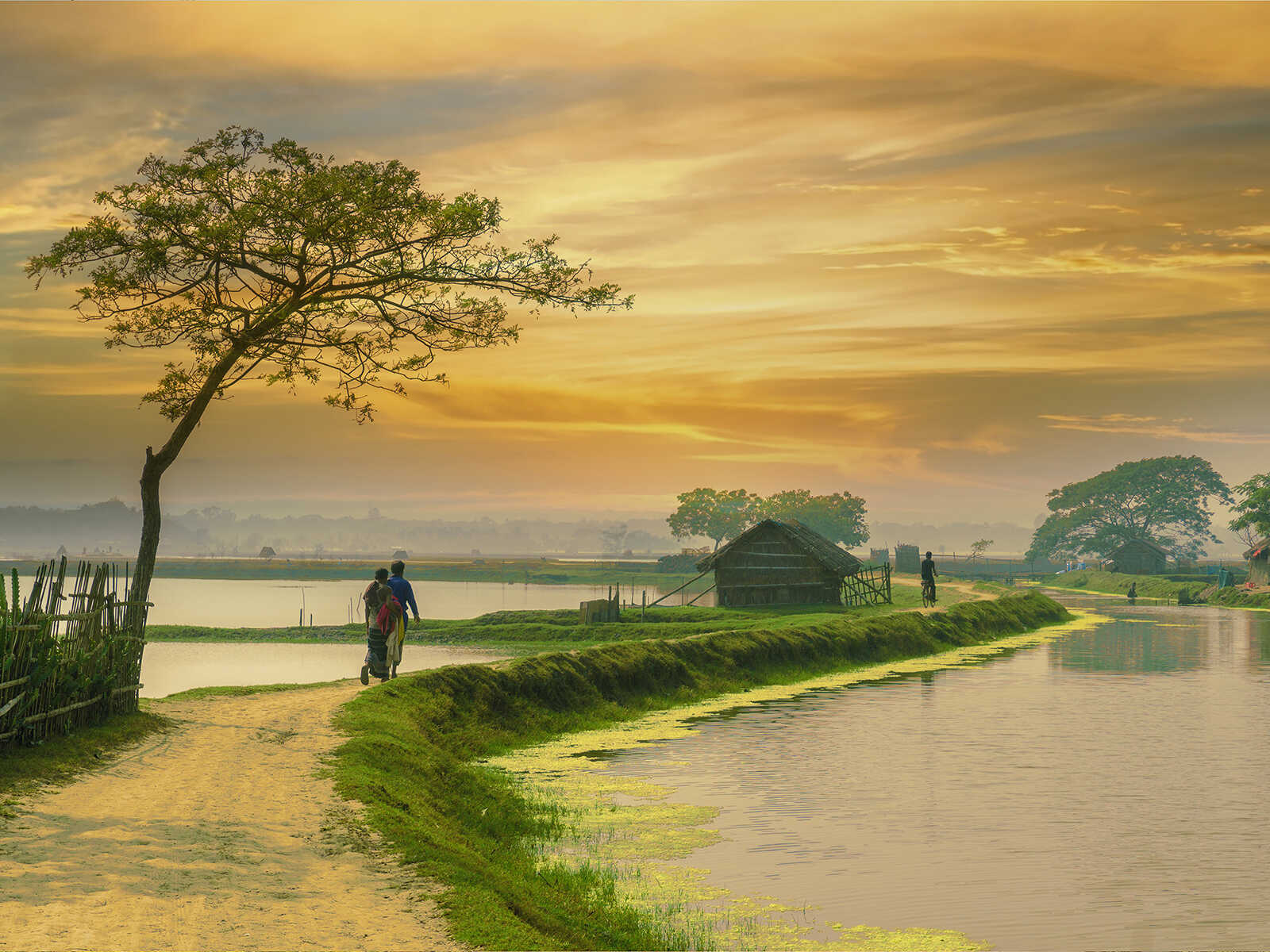
Best Time to Visit Bangladesh: Seasons, Weather & Festivals
Bangladesh, a land of vibrant culture, lush landscapes, and historical wonders, offers a unique travel experience. To truly appreciate its beauty and diversity, understanding the best time to visit is key, as the country experiences distinct seasons that dramatically shape its environment and activities.
Understanding Bangladesh's Climate
Bangladesh has a sub-tropical monsoon climate characterized by three main seasons: the dry season (winter), the pre-monsoon (hot season), and the monsoon (rainy season). Each brings its own charm and challenges, influencing everything from outdoor adventures to cultural festivities.
The Dry Season (Winter): October to March – The Ideal Time
Generally considered the prime time to visit Bangladesh, the dry season offers the most comfortable weather for exploration and outdoor activities.
Weather Conditions in Winter
From October to March, Bangladesh experiences mild, pleasant weather with minimal rainfall and low humidity. Temperatures typically range from 12°C to 25°C (54°F to 77°F), making it perfect for sightseeing and enjoying the outdoors without the discomfort of intense heat or heavy rain. The days are sunny and clear, and evenings are cool and refreshing.
Activities & Experiences During Winter
- Sightseeing & Cultural Exploration:The comfortable weather is ideal for visiting historical sites like the ancient city of Bagerhat, the magnificent Sompur Mahavihara, the exquisite Kantaji Temple, and the historic Sonargaon. In Dhaka, exploring the Star Mosque or the National Martyrs Memorial is particularly pleasant.
- Wildlife & Nature:This is the best time for a safari into the Sundarbans, the world's largest mangrove forest, to spot Bengal tigers and other wildlife. Opportunities for birdwatching are also excellent.
- Beach & Island Escapes:Enjoying the sandy shores of Cox’s Bazar Beach, the world's longest natural sea beach, or taking a ferry to the tranquil St. Martin’s Island are highly recommended. The calm seas and clear skies make for perfect beach holidays.
- Outdoor Adventures:Trekking, cycling, and boat trips are much more enjoyable in the cooler, drier climate.
Festivals in Winter
The dry season is also rich in cultural events.Poush Mela, a harvest festival, brings vibrant fairs and folk performances. The kite festival ofShakrainin January paints the Dhaka sky with colorful kites. WhilePohela Boishakh(Bengali New Year) falls in mid-April, preparations and early celebrations often begin in late March, making it a vibrant time to experience local traditions.
The Pre-Monsoon (Summer/Hot Season): April to May – Vibrant & Humid
The period just before the monsoon brings increasing heat and humidity, but also a unique vibrancy and the anticipation of rain.
Weather Conditions in Pre-Monsoon
April and May are characterized by high temperatures, often exceeding 35°C (95°F), coupled with rising humidity. Occasional thunderstorms, known as "Nor'westers" (Kalboishakhi), can bring temporary relief from the heat, sometimes accompanied by strong winds and brief, heavy downpours.
Activities & Experiences During Pre-Monsoon
- Indoor Attractions:Exploring museums, art galleries, and historical sites in the early morning or late evening can still be enjoyable.
- Fruit Season:This is the season for delicious tropical fruits like mangoes, jackfruits, and litchis, which are a treat for visitors.
- Cultural Events:The biggest festival,Pohela Boishakh, the Bengali New Year, falls on April 14th. It's a day of immense national pride and celebration, with colorful processions, traditional music, and food. Despite the heat, the festive atmosphere is infectious.
Festivals in Pre-Monsoon
Beyond Pohela Boishakh,Buddha Purnima, celebrating the birth of Gautam Buddha, also takes place during this period, observed with reverence by the Buddhist community.
The Monsoon (Rainy Season): June to September – Lush & Unique
For those who appreciate lush greenery and a more tranquil travel experience, the monsoon season offers a different perspective on Bangladesh.
Weather Conditions in Monsoon
From June to September, Bangladesh receives the bulk of its annual rainfall. Heavy, often prolonged, showers are common, leading to increased humidity and occasional flooding in low-lying areas. Temperatures remain warm, typically around 25°C to 30°C (77°F to 86°F).
Activities & Experiences During Monsoon
- Nature & Photography:The landscape transforms into a vibrant green paradise, ideal for nature lovers and photographers. The countryside becomes incredibly lush, and rivers swell, creating stunning vistas.
- Unique Attractions:This is the perfect time to visit unique natural wonders like the Ratargul Swamp Forest in Sylhet, where you can take boat rides through submerged trees. The misty hills of Sajekera Valley and the rocky riversides of Jaflong are particularly beautiful. Exploring the rainforests of Lawachara National Park also offers a refreshing experience amidst the rain-washed foliage.
- Less Crowded:Tourist sites are generally less crowded, offering a more peaceful experience.
Festivals in Monsoon
The monsoon season aligns with significant Islamic holidays likeEid-ul-FitrandEid-ul-Adha, which are celebrated with immense fervor across the country (dates vary as they follow the lunar calendar). Towards the end of the monsoon, the Hindu festival ofDurga Puja, with its elaborate decorations and cultural performances, also begins to light up the cities.
Travel Tip:While the monsoon brings lush beauty, be prepared for potential travel disruptions due to heavy rainfall and ensure your accommodation has good drainage. Waterproof gear is essential!
Seasonal Highlights & What to Pack
What to Pack by Season
- Dry Season (October-March):Lightweight clothing for daytime, a light jacket or sweater for evenings, comfortable walking shoes, sun protection (hat, sunglasses, sunscreen).
- Pre-Monsoon (April-May):Light, breathable cotton clothing, sun protection, umbrella or light raincoat for sudden showers.
- Monsoon (June-September):Waterproof jacket, umbrella, quick-drying clothing, waterproof shoes or sandals, insect repellent.
Best Time for Specific Interests
- Wildlife & Nature Safaris:Dry Season (October-March)is ideal for the Sundarbans and birdwatching.
- Beach Holidays:Dry Season (October-March)offers the best weather for Cox’s Bazar Beach and St. Martin’s Island.
- Cultural & Historical Exploration:Dry Season (October-March)provides comfortable conditions for visiting sites like Bagerhat,Sompur Mahavihara,Kantaji Temple,Sonargaon,Star Mosque, and the National Martyrs Memorial.
- Lush Greenery & Unique Waterways:Monsoon (June-September)is perfect for experiencing Ratargul Swamp Forest,Sajekera Valley,Lawachara National Park, and Jaflong.
Planning Your Trip: Key Considerations
Regardless of when you choose to visit, consider these practical aspects:
- Visa:Ensure you have the necessary visa well in advance of your trip.
- Accommodation:Book hotels and guesthouses, especially during peak season (winter) or major festivals, as they can fill up quickly.
- Local Transport:Bangladesh has an extensive network of buses, trains, and domestic flights. For shorter distances, rickshaws and auto-rickshaws are common.
- Flexibility:While planning is good, maintaining some flexibility can allow for spontaneous discoveries and adapting to local conditions.
Conclusion
While the dry season from October to March is generally recommended as the best time to visit Bangladesh for comfortable weather and a wide range of activities, each season offers a unique charm. Whether you seek cultural immersion, wildlife encounters, beach relaxation, or lush natural beauty, Bangladesh promises an unforgettable journey tailored to the time of your visit. Choose the season that best aligns with your travel interests, and prepare to be captivated by this fascinating South Asian nation.