
Is Turkey Safe? Essential Safety Tips for Tourists
Turkey, a land bridging continents and cultures, beckons millions of travelers each year with its rich history, stunning landscapes, and vibrant cities. A common question for prospective visitors is, "Is Turkey safe?" The good news is that with standard precautions and awareness, Turkey is generally a safe and welcoming destination for tourists.
Understanding Safety in Turkey
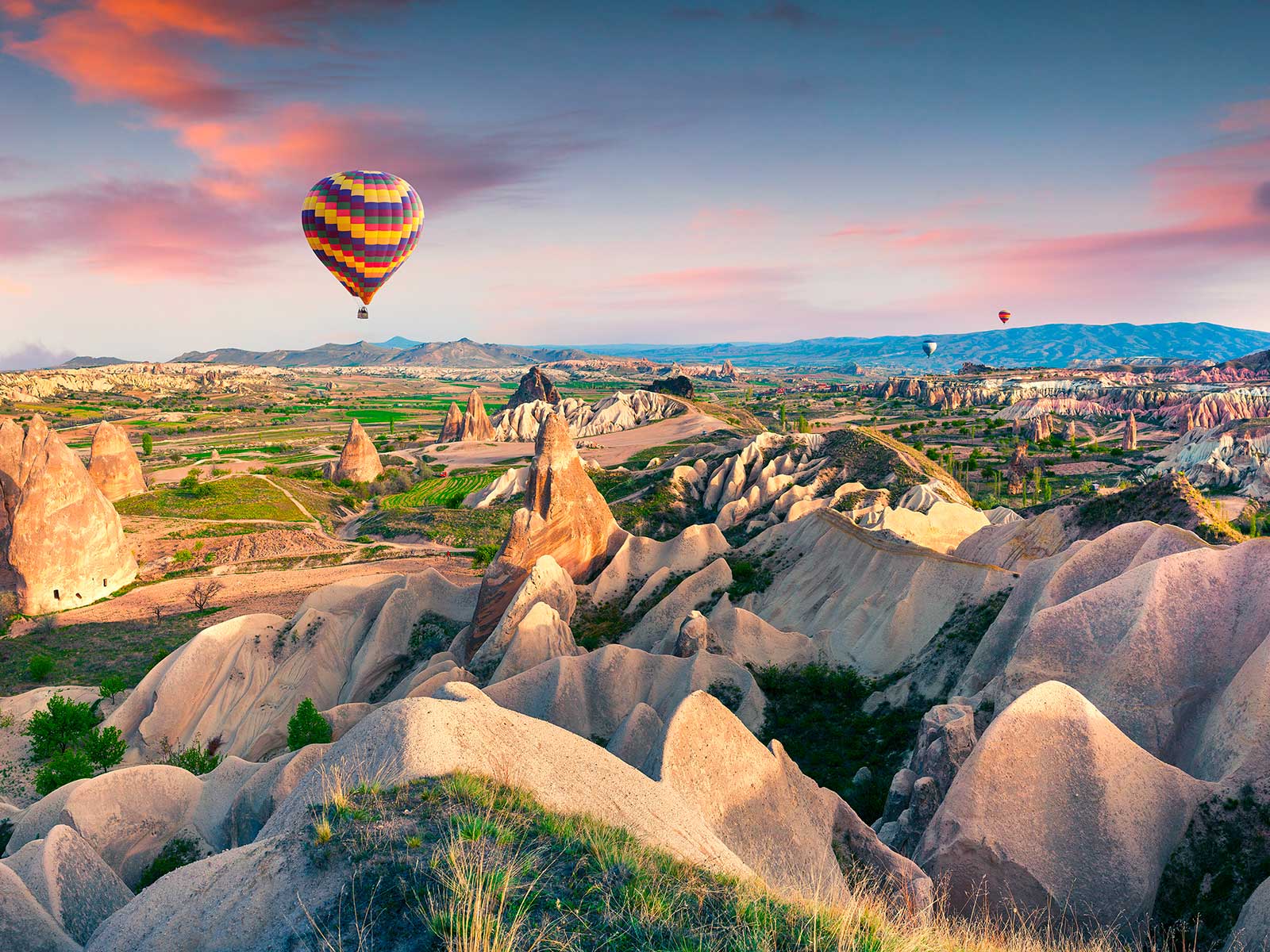
Like any popular tourist destination worldwide, Turkey has its share of considerations that travelers should be aware of. While headlines might occasionally paint a concerning picture, the reality on the ground for most tourists, especially in popular areas, is one of warmth and hospitality. The Turkish government places a high priority on tourist safety, particularly in well-frequented regions like Istanbul, Cappadocia (home to Göreme National Park), and the Mediterranean and Aegean coasts including Antalya,Bodrum, and Kusadasi.
Petty Crime and Scams
Petty crime, such as pickpocketing and bag snatching, can occur, particularly in crowded tourist areas like Istanbul's Grand Bazaar or around major attractions like the Hagia Sophia Museum and Topkapi Palace Museum. Always be vigilant of your belongings, especially in bustling markets or on public transport.
Scams, though less frequent, do exist. Common ones include overcharging by taxi drivers, inflated prices in shops without clear price tags, or unsolicited "help" that leads to demands for payment. Always agree on a fare before starting a taxi journey, and be wary of overly friendly strangers offering unexpected assistance or invitations.
Traveler Tip:When taking a taxi, especially in large cities like Ankara or Istanbul, consider using ride-hailing apps that provide fare estimates and track your journey, or ensure the meter is running correctly.
Political Stability and Regional Security
Turkey is a large country, and security situations can vary by region. Major tourist hubs are generally well-protected and accustomed to international visitors. It's always wise to stay informed about current events through official government travel advisories from your home country. Avoid any public demonstrations or political gatherings, as these can sometimes escalate unexpectedly.
Natural Disasters: Earthquakes
Turkey is located in an active seismic zone. While major earthquakes are rare, minor tremors can occur. Most modern buildings, especially those in tourist areas, are built to withstand seismic activity. Familiarize yourself with emergency exits in your accommodation upon arrival and know the basic "drop, cover, and hold on" protocol.
Essential Safety Tips for a Worry-Free Trip
1. Personal Awareness and Valuables
- Be Discreet:Avoid openly displaying expensive jewelry, cameras, or large sums of cash.
- Secure Belongings:Use anti-theft bags, keep wallets in front pockets, and secure backpacks.
- ATMs:Use ATMs in well-lit, secure locations, preferably inside banks during opening hours.
- Identification:Carry a photocopy of your passport and visa, leaving the originals in a secure place at your accommodation. This helps if your documents are lost or stolen.
2. Transportation Safety
- Taxis:Use official taxis (identifiable by their yellow color and "Taksi" sign). Confirm the destination and agree on a price or ensure the meter is used. Avoid unmarked vehicles.
- Public Transport:Istanbul's metro, tram, and bus systems are generally safe and efficient. Be mindful of pickpockets during peak hours, especially on crowded lines or at busy stations.
- Driving:Driving standards can differ. If renting a car, ensure you have comprehensive insurance and are comfortable with local driving habits, which can be assertive.
3. Food and Drink Safety
- Street Food:While delicious, ensure street food vendors maintain good hygiene. Look for places with high customer turnover, indicating fresh ingredients.
- Tap Water:It's generally recommended to drink bottled water, which is widely available and inexpensive. Use bottled water for brushing your teeth as well.
- Alcohol:Be mindful of your alcohol consumption, especially in unfamiliar environments. Drink responsibly and be aware that drink spiking can occur anywhere.
4. Health and Medical Preparedness
- Travel Insurance:Always purchase comprehensive travel insurance that covers medical emergencies, trip cancellations, and evacuation. This is non-negotiable for international travel.
- Prescription Medications:Bring an adequate supply of any necessary prescription medications, along with a doctor's note explaining their use, to avoid issues at customs.
- Pharmacies (Eczane):Pharmacies are common and well-stocked, often identifiable by a red "E" sign. Pharmacists can offer advice for minor ailments and many speak English.
5. Cultural Sensitivity and Respect
Turkish culture is rich and diverse, with strong traditions of hospitality. Showing respect for local customs will not only enhance your experience but also ensure smoother interactions:
- Dress Code:When visiting religious sites like the Suleymaniye Mosque, dress modestly (shoulders and knees covered). Women should carry a headscarf to cover their hair.
- Bargaining:Haggling is common and expected in markets like the Grand Bazaar, but do so respectfully and with a smile. It's part of the experience.
- Photography:Always ask permission before taking photos of people, especially women and children. Be respectful if they decline.
6. Solo Travelers and Women Travelers
Turkey is generally welcoming for solo travelers, and many women travel independently without issues. However, it's prudent to:
- Be Confident:Project confidence and awareness of your surroundings. Avoid appearing lost or vulnerable.
- Inform Others:Let someone know your itinerary, especially if venturing off the beaten path, such as exploring the ancient ruins near Ephesus Archaeological Museum or Pergamon Antik Kenti.
- Evening Safety:Avoid walking alone in poorly lit or deserted areas at night. Stick to well-populated and well-lit routes.
7. LGBTQ+ Travelers
While homosexuality is not illegal in Turkey, public displays of affection may not be as widely accepted as in some Western countries. Exercise discretion, especially outside of more liberal urban areas like Istanbul and coastal resorts such as Bodrum or Marmaris. Research specific areas if you have concerns.
8. Emergency Contacts
Memorize or save these essential numbers in your phone, and know how to communicate basic needs in Turkish:
- Police:155
- Ambulance:112
- Fire Department:110
- Tourist Police:Available in major cities like Istanbul and Antalya. Look up their specific number upon arrival.
- Your Country's Embassy/Consulate:Keep their contact details handy for emergencies, including lost passports.
Exploring Beyond the Main Hubs
For those looking to explore Turkey's diverse offerings beyond the major cities, regions like Cappadocia with its unique landscapes and historical sites like Mount Nemrut or the Zeugma Mosaik Museum offer incredible experiences. Even when visiting these more remote or culturally distinct areas, the general safety advice above remains applicable. Always ensure reputable tour operators for organized excursions, especially to sites like Aphrodisias and Pamukkale which might involve longer travel times or require local expertise.
Conclusion: A Memorable and Safe Turkish Adventure Awaits
Turkey is a country that consistently captivates visitors with its unparalleled blend of history, culture, and natural beauty. By exercising common sense, staying informed, and respecting local customs, you can significantly enhance your safety and enjoyment. Don't let undue worries overshadow the incredible experiences that await you. Prepare wisely, travel confidently, and immerse yourself in the magic of Turkey.