
Waterfalls in Sri Lanka: Discover Diyaluma, Ramboda & More
Sri Lanka, a tropical island nation, is renowned for its lush landscapes, mist-shrouded mountains, and cascading waterfalls. These natural wonders are a testament to the island's abundant rainfall and rugged terrain, offering breathtaking vistas and refreshing experiences for every traveler.
An Island of Cascading Beauty
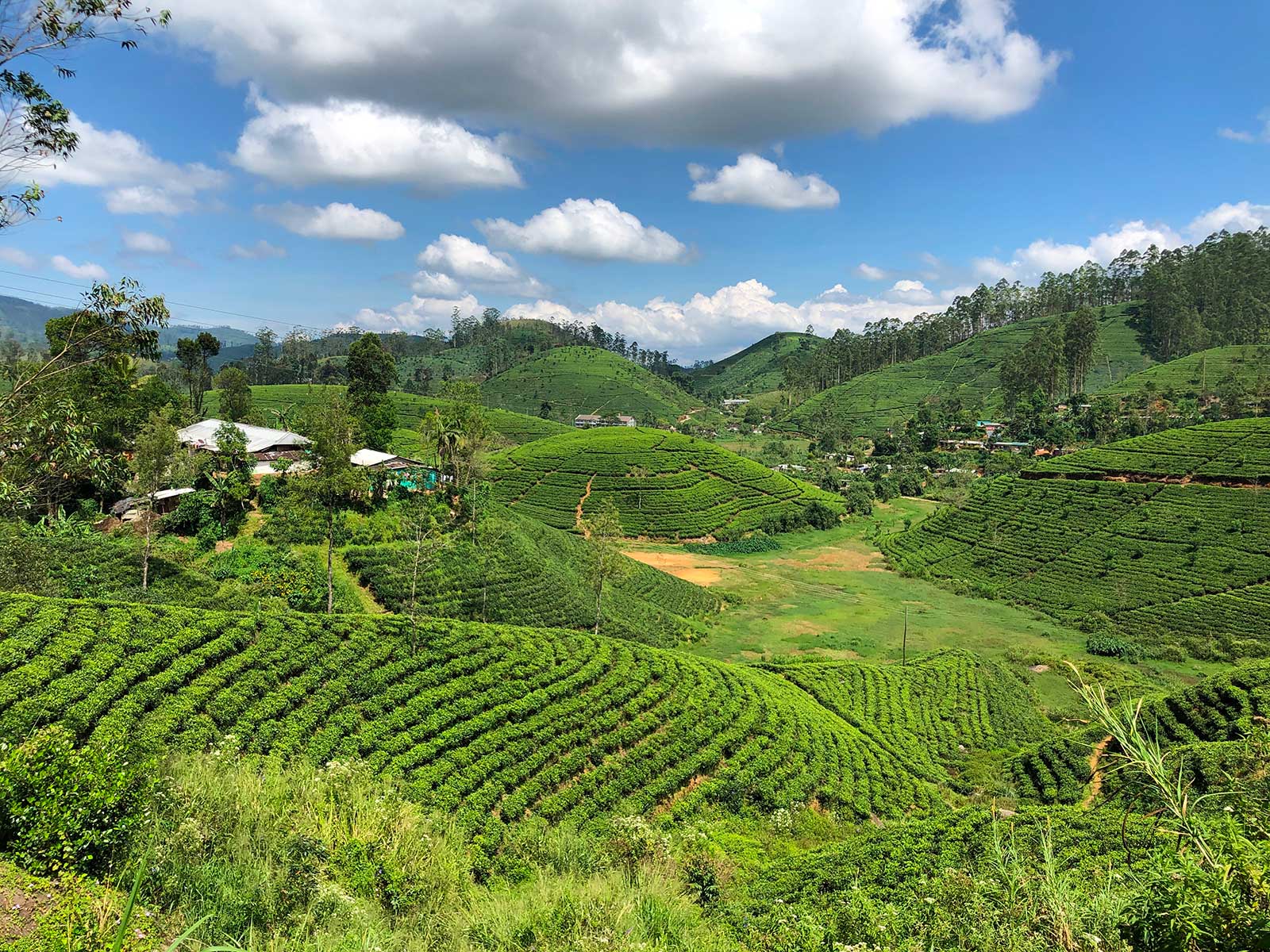
From the central highlands to the more remote corners, Sri Lanka boasts an impressive collection of waterfalls, each with its unique charm and story. Fed by numerous rivers and streams, these falls range from gentle trickles to powerful torrents, often surrounded by vibrant tea plantations and dense forests. Exploring them offers a refreshing escape and a chance to connect with the island's pristine natural beauty.
Iconic Waterfalls to Explore
Diyaluma Falls: The Second Highest
Standing majestically at approximately 220 meters (722 feet),Diyaluma Falls is celebrated as Sri Lanka's second-highest waterfall and a true spectacle of nature. Located in the Badulla District, near Koslanda, this multi-tiered cascade is more than just a sight to behold; it's an adventure waiting to happen. The upper sections of Diyaluma offer a series of natural infinity pools, perfect for a refreshing dip after a rewarding hike.
The trek to the upper pools of Diyaluma is moderately challenging but incredibly rewarding, offering panoramic views of the surrounding countryside. Visitors often start their journey from the small town of Koslanda or Poonagala. It's advisable to go with a local guide, especially if you're unfamiliar with the terrain, to ensure a safe and enjoyable experience. The best time to visit is during or just after the monsoon season when the falls are at their most powerful and the pools are full.
Ramboda Falls: A Triple Cascade
Nestled in the heart of the tea country,Ramboda Falls is a captivating three-tiered waterfall located in the Nuwara Eliya district, along the A5 highway between Pussellawa and Nuwara Eliya. With a total height of about 109 meters (358 feet), it ranks as Sri Lanka's 11th highest waterfall. What makes Ramboda particularly special is its unique shape, formed by a branch of the Kothmale Oya (river) descending a rock face.
Visitors can access different viewpoints of the falls, with the middle and lower sections being the most easily accessible from the main road. Several guesthouses and hotels in the vicinity offer stunning views of the falls directly from their premises. It’s a popular stop for those traveling between Kandy and Nuwara Eliya, offering a perfect photo opportunity amidst the lush green backdrop of tea estates.
Dunhinda Falls: The Misty Spray
Located approximately 5 kilometers from Badulla town, Dunhinda Falls is famous for the smoky mist (dunin Sinhala) created by its powerful plunge into a large pool below. Standing at about 64 meters (210 feet), the walk to Dunhinda is an experience in itself. It involves a picturesque trek through a jungle path, passing by smaller cascades and local vendors selling snacks and drinks. The path can be slippery, especially after rain, so sturdy footwear is essential.
Travel Tip:The last stretch to Dunhinda Falls involves a short climb and a viewpoint that gets you close to the misty spray. Be prepared to get a little wet!
Bakers Falls: Horton Plains Gem
Hidden within the ethereal landscapes of Horton Plains National Park, Bakers Falls is a beautiful cascade formed by the Belihul Oya. Named after the British explorer Sir Samuel Baker, this waterfall is approximately 20 meters (66 feet) high and is part of the popular World's End trek. The path to Bakers Falls can be quite steep and rocky in places, but the sight of its pristine waters surrounded by rhododendron and fern bushes is well worth the effort. It's a serene spot, perfect for nature photography.
Devon Falls: The Veil of the Valley
Often referred to as the "Veil of the Valley," Devon Falls is another magnificent sight in Sri Lanka's tea country, located near Talawakele. Plummeting approximately 97 meters (318 feet), it creates a beautiful spectacle against the backdrop of emerald green tea plantations. The falls are easily visible from the main Hatton-Nuwara Eliya road, with several dedicated viewing platforms and tea factory viewpoints offering excellent photo opportunities. Its proximity to other major waterfalls like St. Clair's makes it a convenient stop on a scenic drive.
St. Clair's Falls: Little Niagara
Just a short distance from Devon Falls, St. Clair's Falls is one of the widest waterfalls in Sri Lanka, earning it the nickname "Little Niagara." It comprises three cascades, with the largest being a magnificent 80-meter (260 feet) plunge. Like Devon, St. Clair's is situated amidst sprawling tea estates in the Nuwara Eliya district and is easily viewed from the main road. The sheer volume of water, especially during the monsoon, is awe-inspiring, creating a powerful roar and a spectacular display of nature's force.
Ravana Falls: Legend and Accessibility
Located just 6 kilometers from the charming town of Ella, Ravana Falls is one of the most popular and easily accessible waterfalls in Sri Lanka. Standing at approximately 25 meters (82 feet) high, it's part of the Ravana Ella Wildlife Sanctuary. The falls are steeped in local folklore, believed to be the spot where King Ravana hid Sita, the princess from the Indian epic Ramayana. Its proximity to the main road makes it a frequent stop for travelers exploring the Ella region, offering a quick refreshing dip in its cool waters or a chance to admire its beauty from the roadside.
Planning Your Waterfall Adventure
To make the most of your waterfall exploration in Sri Lanka, consider these practical tips:
- Best Time to Visit:The monsoon seasons (May to September for the southwest monsoon, October to January for the northeast monsoon) generally bring the waterfalls to their fullest and most spectacular state. However, paths can be slippery during these times.
- What to Pack:
- Sturdy Footwear:Essential for slippery paths and uneven terrain, especially for hikes to Diyaluma, Dunhinda, and Bakers Falls.
- Swimwear:If you plan to take a dip in the natural pools (like at Diyaluma).
- Rain Gear:A light rain jacket or umbrella is useful, especially during monsoon season or when approaching misty falls.
- Water and Snacks:Especially for longer treks.
- Camera:To capture the stunning scenery.
- Sun Protection:Hat, sunglasses, and sunscreen for exposed areas.
- Safety First:Always exercise caution around waterfalls. Rocks can be extremely slippery, and water currents can be strong. Heed local warnings and consider hiring local guides for less-traveled paths.
- Respect Nature:Do not litter and help preserve the pristine environment of these natural wonders.
Beyond the Falls: Exploring the Highlands
Many of Sri Lanka's most magnificent waterfalls are nestled within the central highlands, a region famous for its scenic beauty, tea plantations, and cool climate. While chasing waterfalls, take the opportunity to explore nearby attractions such as the iconic Ella Rock, a hike to Little Adam's Peak, or a visit to a local tea factory like Geragama Tea Factory. The towns of Ella,Nuwara Eliya, and Kandy serve as excellent bases for exploring the surrounding cascades and experiencing the rich culture of the hill country.
Conclusion
Sri Lanka's waterfalls offer a diverse range of experiences, from the adventurous hike to the upper pools of Diyaluma to the easily accessible beauty of Ravana Falls. Each cascade tells a story of geological wonder and natural splendor, inviting travelers to pause, reflect, and immerse themselves in the island's breathtaking landscapes. A journey through Sri Lanka's waterfall country is an unforgettable adventure, promising stunning views, refreshing encounters, and memories to last a lifetime.