
Sri Lankan Culture and Customs: What Visitors Should Know
Sri Lanka, the Pearl of the Indian Ocean, captivates visitors with its stunning landscapes, rich history, and incredibly warm people. To truly embrace the magic of this island nation, understanding and respecting its vibrant culture and unique customs is paramount for an enriching and memorable journey.
Religious Harmony and Respect
Sri Lanka is a multi-religious country, predominantly Buddhist, but also home to significant Hindu, Muslim, and Christian communities. This diversity is a cornerstone of its cultural fabric, and visitors will observe many temples, kovils, mosques, and churches across the island, often coexisting peacefully within proximity, such as within the historic Galle Dutch Fort.
Temple Etiquette (Buddhist & Hindu)
When visiting Buddhist temples, Hindu kovils, or any place of worship, always dress modestly. This means covering your shoulders and knees. Essential etiquette includes:
- Removing your shoes and hats before entering.
- Walking clockwise around stupas and shrines.
- Avoiding turning your back to Buddha statues when taking photos; ideally, sit or crouch.
- Offerings (flowers, incense) are common; observe locals and follow suit if you wish.
A prime example of a revered Buddhist site where these customs are particularly important is the Temple of the Sacred Tooth Relic in Kandy, an essential pilgrimage site for Buddhists worldwide.
Respecting Buddha Images
Buddha images are sacred and should always be treated with the utmost respect. Never pose for photos with your back to a Buddha statue, or stand above one. It is considered offensive to point your feet at a Buddha image or any person. Tattoos depicting Buddha or other religious symbols might be sensitive, and in some cases, could lead to issues. It's wise to keep them covered.
Greetings and Social Etiquette
Sri Lankans are generally very friendly and welcoming. The traditional greeting is'Ayubowan'(meaning "may you live long"), often accompanied by pressing the palms together in a prayer-like gesture (Namaste or Anjali Mudra). A simple smile and nod are also appreciated. When addressing elders or those in positions of respect, use polite titles like 'Sir' or 'Madam'. Physical contact between genders in public is generally reserved for couples. Same-sex friends might hold hands, but public displays of affection (PDA) are uncommon and can be seen as inappropriate.
Dress Code for Visitors
Outside of religious sites, casual and comfortable clothing is generally acceptable. However, modesty is still valued, especially in rural areas and local towns. For women, it's advisable to wear clothing that covers shoulders and knees, particularly when exploring towns or villages. Light, breathable fabrics are best given the tropical climate.
Swimwear is perfectly acceptable on popular beaches like Unawatuna Beach,Koggala Beach,Mirissa, or Thalpe Beach, but it's best to cover up when walking to and from the beach or in public areas. Men will find shorts and t-shirts suitable for most occasions, but trousers or long shorts and collared shirts are more appropriate for formal settings or upscale restaurants.
Dining Etiquette
Sri Lankan cuisine is diverse and delicious, often featuring rice and curry. It’s an experience not to be missed!
Eating with Hands
Many Sri Lankans eat with their right hand. If you wish to try this, remember to only use your right hand, as the left hand is considered unclean for eating. Most restaurants provide cutlery if you prefer.
Tip:When eating with your hands, mix a small portion of rice and curry together on your plate using your fingertips, then use your thumb to push it into your mouth. It takes practice but is a truly authentic experience!
Hospitality and Tea Culture
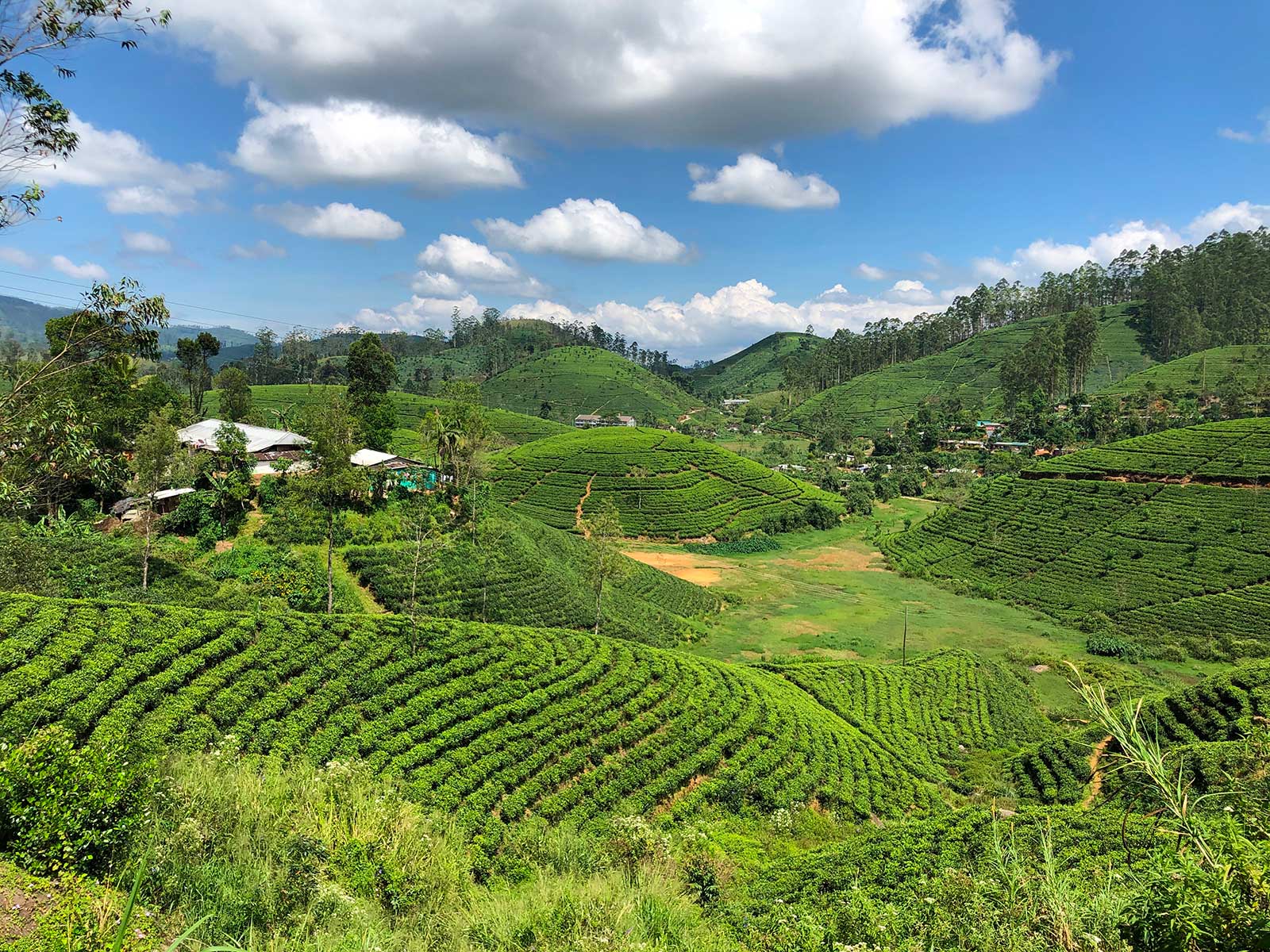
If invited to a local home, it's customary to accept food and drink offered. Try to finish everything on your plate as a sign of appreciation. Sri Lanka is renowned for its tea; experiencing a tea plantation, like near Geragama Tea Factory or in the hill country around Nuwara Eliya and Ramboda Falls, is a must. Tea is often offered as a gesture of hospitality.
Dietary Considerations
While not universal, many Buddhist and Hindu households avoid beef, and Muslim households avoid pork. It's polite to be aware of this when dining with locals.
Communication and Gestures
- The Head Wobble:This is a classic Sri Lankan gesture that can be confusing. A gentle side-to-side wobble of the head often means "yes," "okay," "I understand," or "maybe." Context is key!
- Pointing:Pointing with your index finger is considered rude. Instead, indicate direction or objects with an open hand or a slight chin lift.
- Left Hand:As mentioned, the left hand is generally considered unclean. Avoid using it for giving or receiving items, shaking hands, or eating.
- Bargaining:In local markets, a bit of friendly bargaining is common and expected, especially for souvenirs or tuk-tuk rides. Keep it light-hearted and respectful.
Family Values and Community
Family is at the core of Sri Lankan society. Extended families often live together or very close by, and elders are deeply respected. Children are cherished and often doted upon. Community spirit is strong, and people often help each other out. You'll witness this warmth and interconnectedness throughout your travels, from small villages to bustling towns like Unawatuna or Weligama.
Public Behavior
- Public Displays of Affection (PDA):Keep public displays of affection to a minimum. Holding hands is generally acceptable for couples, but kissing or overly intimate gestures are not common and can be seen as inappropriate.
- Noise Levels:While Sri Lanka can be lively, especially during festivals or in busy markets, maintain a respectful volume in public spaces, particularly in residential areas or near places of worship.
- Alcohol Consumption:Alcohol is available, but public intoxication is frowned upon. Be mindful of local sensibilities, especially during religious holidays when alcohol sales may be restricted.
Transportation Etiquette
- Tuk-tuks:Always agree on a price before starting your journey, or ensure the meter is used. Drivers are generally friendly, but confirming the fare avoids misunderstandings.
- Buses:Buses can be crowded and fast-paced. Offer your seat to elders, pregnant women, or monks.
- Trains:A popular way to travel, especially the scenic route from Kandy to Ella. Be prepared for crowds, especially in unreserved carriages, but enjoy the communal atmosphere.
Photography Guidelines
Sri Lanka offers endless photographic opportunities, from stunning landscapes like Ella Rock to vibrant local life. Always ask for permission before taking photos of people, especially children. A smile and a gesture often work wonders. Be extra respectful when photographing religious ceremonies or individuals in places of worship. Some sites may have restrictions, so look for signs or ask. Do not pose for photos in a way that disrespects religious statues or symbols.
Embracing Festivals and Celebrations
Sri Lanka's calendar is dotted with colorful festivals, reflecting its multi-ethnic and multi-religious identity.
- Poya Days:Each full moon day is a public holiday ('Poya Day') with religious significance, primarily for Buddhists. Alcohol sales are typically restricted on these days.
- Sinhala and Tamil New Year:Celebrated in April, this is a major cultural event with unique traditions, food, and family gatherings.
- Esala Perahera:Held in Kandy in July/August, this is one of Asia's oldest and grandest Buddhist festivals, a spectacular procession of dancers, drummers, and elaborately adorned elephants.
By taking the time to understand and respect Sri Lankan culture and customs, you're not just being a polite traveler; you're opening yourself up to deeper connections and more authentic experiences. The warmth and hospitality of the Sri Lankan people are legendary, and a little cultural awareness will go a long way in forging unforgettable memories in this enchanting island paradise.