
Must-Try Sri Lankan Food: A Culinary Guide for Travelers
Embark on a gastronomic adventure through Sri Lanka, an island nation where every dish tells a story of rich history and vibrant culture. From fragrant curries to unique street eats, the local cuisine promises an unforgettable journey for your taste buds.
Sri Lankan food is a fascinating blend of indigenous ingredients, ancient culinary traditions, and influences from its colonial past, notably Indian, Dutch, and Portuguese. Coconut, chili, and an array of aromatic spices form the backbone of this diverse cuisine, creating flavors that are both bold and comforting. Prepare to discover a culinary landscape as captivating as the island itself.
The Heart of Sri Lankan Dining: Main Dishes
Rice & Curry
No culinary guide to Sri Lanka is complete without highlightingRice & Curry, the nation's quintessential meal. It's not just a dish; it's an experience. A typical spread features a generous mound of rice surrounded by an assortment of small bowls, each containing a different curry. You'll find everything from creamy dhal (lentil) curry, rich chicken or fish curries, and subtly spiced vegetable curries like pumpkin or beetroot, to fresh sambols (chili-based condiments) and crispy papadums. The beauty lies in the variety, allowing you to mix and match flavors with every spoonful. Many local eateries, especially in cultural hubs like Kandy, offer incredible rice and curry feasts.
Hoppers (Appa)
A true Sri Lankan specialty,Hoppersare delicate, bowl-shaped pancakes made from fermented rice flour and coconut milk. Cooked in a small wok, they boast crispy edges and a soft, spongy center. They come in various forms: the plain hopper, often eaten with sambol or curry, and the popular egg hopper, where a fried egg is cooked into the center.String Hoppers (Indi Appa)are another variation, made from steamed rice flour noodles, typically served with dhal and coconut sambol. They're a breakfast staple but enjoyed throughout the day, easily found near bustling areas like the Galle Dutch Fort.
Kottu Roti
Listen for the rhythmic clanging of metal on metal, and you'll know you're near aKottu Rotistall. This beloved street food is made by finely chopping godamba roti (a type of flatbread) with vegetables, eggs, and your choice of meat (chicken, beef, or seafood) on a searing hot griddle. The symphony of chopping and sizzling is as much a part of the experience as the dish itself. It's a hearty, flavorful, and incredibly satisfying meal, perfect for a late-night bite after a day at the beach in Mirissa or Weligama.
Lamprais
A delicious remnant of Dutch colonial influence,Lampraisis a flavorful parcel of rice, a special mixed meat curry (often beef, pork, and chicken), frikkadels (Dutch meatballs), blachan (shrimp paste), and brinjal moju (eggplant pickle), all baked in a banana leaf. The banana leaf imparts a unique aroma and keeps the ingredients moist, creating a rich and fragrant meal that's a true Sri Lankan delicacy.
Pittu
A distinctive dish,Pittuis made from steamed cylinders of ground rice mixed with grated coconut. It has a crumbly texture and is often served with curries, dhal, and coconut milk, or even with jaggery (palm sugar) for a sweet version. It's a comforting and wholesome meal, especially popular in the northern and eastern parts of the island.
Delectable Snacks & Street Food
Sri Lanka's streets are a haven for quick, delicious bites. Don't miss out on:
- Wade:Savory fritters, typically made from lentils (Parippu Wade) or prawns (Isso Wade), deep-fried to a golden crisp.
- Samosas & Rolls:Flaky pastries filled with spiced vegetables, fish, or meat, perfect for a quick snack.
- Achcharu:A tangy and spicy pickle made from various fruits (like mango or pineapple) or vegetables, a refreshing palate cleanser.
- Patties:Small, crescent-shaped baked pastries with savory fillings, similar to empanadas.
Fresh from the Ocean: Seafood Delights
Given its island status, Sri Lanka boasts an abundance of fresh seafood. Coastal towns are the best places to indulge in the day's catch, often grilled simply with a squeeze of lime and a sprinkle of chili. Look out for:
- Grilled Fish & Prawns:Often caught that morning, you can enjoy snapper, tuna, barracuda, and king prawns, often prepared with minimal fuss to highlight their natural flavors. Find excellent options along Unawatuna Beach,Koggala Beach,Hiriketiya Beach, or Polhena Beach.
- Ambul Thiyal:A unique sour fish curry, traditionally made with tuna, black pepper, and goraka (Malabar tamarind). It's a dry curry, packed with flavor and known for its preserving qualities.
Sweet Endings: Desserts & Sweet Treats
Watalappan
This rich, creamy coconut custard, flavored with cardamom, nutmeg, and jaggery, is a popular dessert, especially among the Sri Lankan Muslim community. It's often steamed and served chilled, offering a delightful end to a spicy meal.
Curd & Treacle
A simple yet iconic dessert, buffalo curd (mee kiri) is a thick, unsweetened yogurt, traditionally served with a generous drizzle of golden kithul (palm) treacle. The combination of tangy curd and sweet treacle is incredibly satisfying and a must-try. You'll often find roadside stalls selling this fresh, particularly around the areas near Koggala Lake.
Tip:Look for fresh, homemade buffalo curd, often sold in clay pots, for the most authentic experience. It's a healthy and delicious treat!
Kavum & Kokis
These traditional sweet treats are often made during festivals like Sinhala and Tamil New Year.Kavumare oil cakes made from rice flour and treacle, whileKokisare crispy, deep-fried cookies with an intricate, lacy design, made from rice flour and coconut milk.
Refreshing Beverages
Ceylon Tea
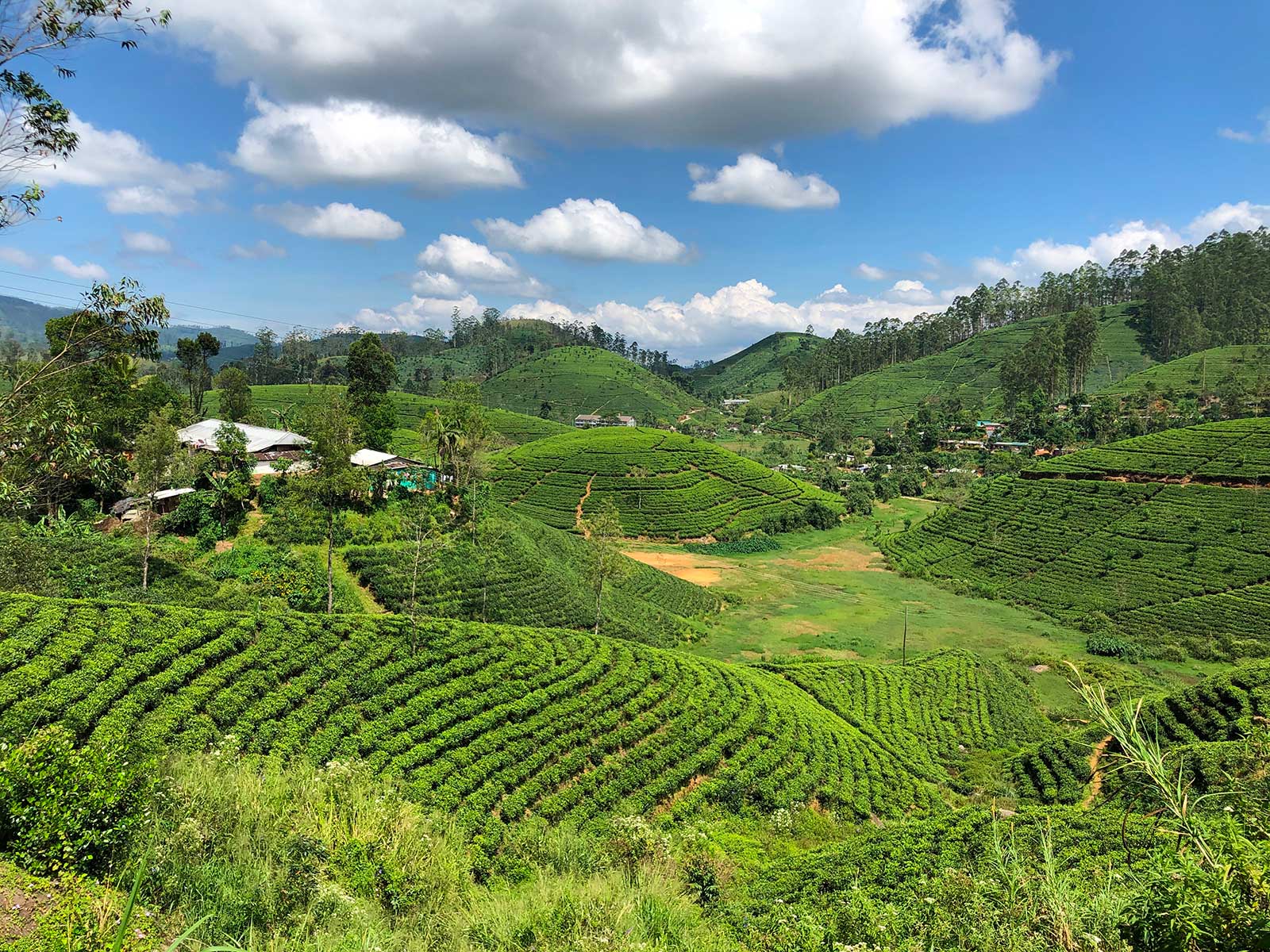
Sri Lanka is synonymous with tea. Don't leave without savoring a cup of world-renownedCeylon Tea. Whether it's a strong black tea with milk and sugar, or a delicate green tea, the quality is exceptional. Consider visiting a tea plantation like Geragama Tea Factory or exploring the tea estates around Ella and Nuwara Eliya for a deeper appreciation.
King Coconut (Thambili)
For a natural and incredibly refreshing drink, grab aKing Coconut. These bright orange coconuts are sweeter and more hydrating than regular green coconuts, offering a perfect way to cool down under the tropical sun.
Fresh Juices
The island's tropical climate yields an abundance of fresh fruits. Enjoy invigorating juices made from mango, pineapple, passion fruit, papaya, or wood apple, often blended with a touch of lime and sugar.
Tips for the Culinary Traveler
- Embrace the Spice:Sri Lankan food can be quite spicy. If you're sensitive, ask for "less chili" (kaha miris adu-wata) or "mild" (miris nethi).
- Eat Local:Don't shy away from small, unassuming eateries known as "hotels" (which are typically restaurants, not accommodations) or street food stalls. This is where you'll find the most authentic and flavorful dishes.
- Hygiene First:When trying street food, observe where locals eat. Busy stalls with a quick turnover usually indicate fresh ingredients and good hygiene.
- Hands-on Experience:Consider taking a cooking class, especially in places like Unawatuna or Galle Dutch Fort, to learn the secrets of Sri Lankan spices and cooking techniques.
- Breakfast like a Local:Start your day with hoppers, string hoppers, or pol roti (coconut flatbread) with dhal curry for an authentic Sri Lankan breakfast experience.
Fact:In Sri Lankan culture, sharing a meal is a sign of hospitality and community. Don't be surprised if you're invited to share food!
Sri Lankan cuisine is an adventure in itself, a vibrant tapestry of flavors, aromas, and textures waiting to be explored. From the fiery kick of a well-made curry to the soothing sweetness of a king coconut, every bite offers a glimpse into the soul of this enchanting island. So, pack your bags, bring your appetite, and prepare for a culinary journey unlike any other.