
Is Sri Lanka Safe for Tourists? Essential Safety Tips
Sri Lanka, the Pearl of the Indian Ocean, beckons with its stunning beaches, lush tea plantations, and ancient history. While it's a generally safe and welcoming destination, like any foreign country, understanding local nuances and taking sensible precautions will ensure a smooth and enjoyable trip.
This comprehensive guide provides essential safety tips, covering everything from navigating local transport to staying healthy, helping you explore Sri Lanka with confidence.
General Safety and Local Awareness
Sri Lanka has a reputation for its warm hospitality, and most tourists encounter no major issues. However, being aware of your surroundings and understanding local customs is key to a trouble-free visit.
- Stay Informed:While the country has largely recovered from past economic and political challenges, it's always wise to check your government's travel advisories before and during your trip.
- Respect Local Culture:Sri Lanka is a predominantly Buddhist country. Dress modestly, especially when visiting religious sites such as temples in Kandy or the Galle Dutch Fort. This means covering shoulders and knees. Remove your shoes and hats before entering temples.
- Trust Your Gut:If a situation feels uncomfortable or suspicious, it probably is. Don't hesitate to remove yourself from it.
Dealing with Petty Crime and Scams
Petty crime, such as pickpocketing or bag snatching, can occur, particularly in crowded areas like markets, bus stations, or popular tourist spots. Scams, though not rampant, can also target unsuspecting travelers.
- Secure Your Valuables:Keep your passport, large sums of cash, and other important documents secure, ideally in a money belt or hotel safe. Only carry what you need for the day.
- Be Wary of Over-Friendly Strangers:While Sri Lankans are genuinely friendly, be cautious of unsolicited offers for tours, guides, or "special deals" from strangers, especially around attractions.
- Tuk-Tuk Etiquette:Always agree on a price before starting your journey or insist that the driver uses the meter. Ride-hailing apps are available in major cities and offer transparent pricing. If you're exploring the charming streets of Unawatuna or the bustling markets of Kandy, this tip is particularly useful.
- Souvenir Shopping:Bargaining is common in markets. Be firm but polite, and don't feel pressured to buy anything you don't want.
Travel Tip:Keep photocopies or digital copies of important documents (passport, visa, insurance) separate from the originals. This can be invaluable if your originals are lost or stolen.
Transportation Safety
Navigating Sri Lanka's roads can be an adventure in itself. While public transport is extensive and affordable, it requires a degree of caution.
- Tuk-Tuks:As mentioned, agree on a price beforehand. Ensure the tuk-tuk looks well-maintained.
- Buses:Public buses can be crowded and driven fast. For longer distances, consider air-conditioned private buses or trains.
- Trains:Sri Lanka's train journeys, like the scenic route through the hills from Kandy to Ella, are iconic. Book tickets in advance, especially for popular routes and classes. Be mindful of your belongings, particularly when carriages are crowded or doors are open.
- Renting Vehicles:If you plan to rent a scooter or car, ensure you have an international driving permit and are comfortable with chaotic traffic, aggressive driving, and varying road conditions. Always wear a helmet on scooters.
Water Safety and Beach Precautions
Sri Lanka boasts incredible coastlines, but it's crucial to exercise caution in the water.
- Strong Currents:Many beaches, including parts of Unawatuna Beach,Koggala Beach, and Hiriketiya Beach, can have strong rip currents, especially during monsoon seasons. Always check local conditions and heed warning flags.
- Swimming Areas:Stick to designated swimming areas and, if possible, swim where there are lifeguards. Beaches like Dalawella Beach or Polhena Beach are known for calmer waters, but always be vigilant.
- Sun Protection:The tropical sun is intense. Use high-SPF sunscreen, wear a hat, and seek shade during peak hours (10 AM - 4 PM).
- Reef Shoes:If exploring rocky areas or tide pools, consider wearing reef shoes to protect your feet from sharp coral or sea urchins.
- Boating/Water Sports:Use reputable operators for boat trips, surfing lessons in Weligama, or snorkeling. Ensure life jackets are provided and worn.
Health and Hygiene
Staying healthy is paramount for an enjoyable trip. Sri Lanka's tropical climate requires some specific health precautions.
- Water:Do not drink tap water. Stick to bottled water, ensuring the seal is unbroken, or use a reliable water filter bottle.
- Food:Eat at busy restaurants where food turnover is high. Be cautious with raw vegetables and street food, but don't shy away from trying local delicacies. Cooked food, especially curries, is generally safe.
- Mosquitoes:Dengue fever is present in Sri Lanka. Use mosquito repellent, especially at dawn and dusk. Consider wearing long sleeves and trousers in the evenings. Some accommodations provide mosquito nets.
- Sunburn and Heatstroke:Stay hydrated and protect yourself from the sun (as mentioned above). Symptoms of heatstroke include dizziness, nausea, and headache.
- Medical Facilities:While major cities have decent hospitals, facilities in rural areas can be basic. Ensure you have comprehensive travel insurance that covers medical emergencies and potential evacuation.
Wildlife Encounters
Sri Lanka is rich in biodiversity, but interactions with wildlife should be approached with respect and caution.
- Monkeys:While cute, monkeys can be aggressive, especially if they associate humans with food. Do not feed them and keep your distance, particularly around sites like the Galle Dutch Fort or temples in Kandy. Keep windows closed in vehicles and secure your belongings.
- Elephants:If you're visiting national parks, always follow guide instructions. Do not approach wild elephants on your own.
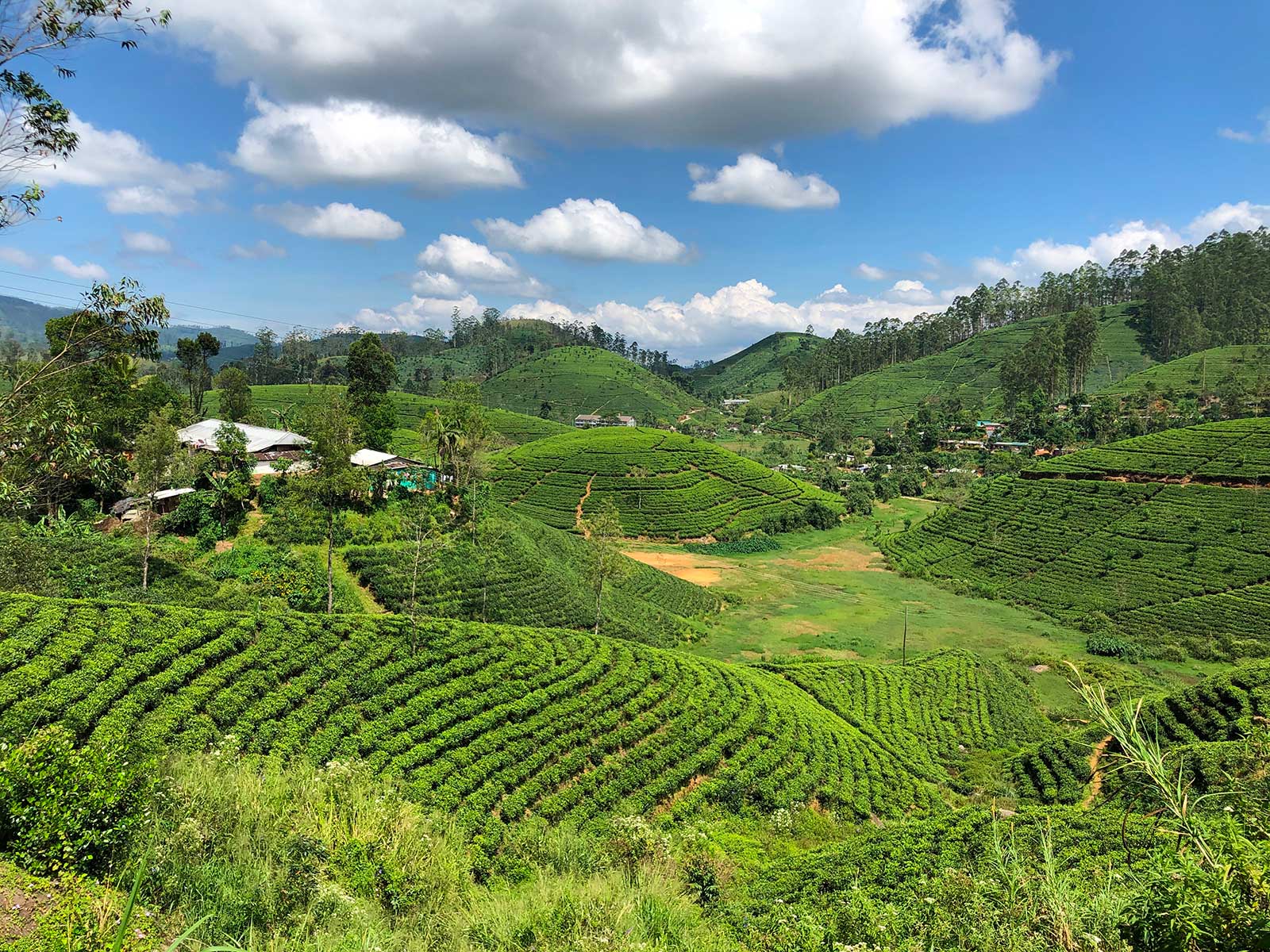
- Snakes and Insects:Be aware of your surroundings, especially when trekking in areas like Ella Rock or through tea plantations near Nuwara Eliya. Wear appropriate footwear.
Solo and Female Travelers
Sri Lanka is generally considered safe for solo and female travelers, but extra vigilance is always recommended.
- Dress Modestly:This helps avoid unwanted attention.
- Night Safety:Avoid walking alone at night, especially in dimly lit or deserted areas. Use reputable taxis or tuk-tuks.
- Inform Others:Let someone know your itinerary, especially if you're venturing to more remote locations or hiking.
- Trust Your Instincts:If a person or situation makes you feel uncomfortable, remove yourself.
Emergency Preparedness
Knowing what to do in an emergency can make a significant difference.
- Emergency Contacts:
- Police: 119
- Ambulance: 1990
- Tourist Police: 011-2382105
- Travel Insurance:This is non-negotiable. Ensure it covers medical emergencies, trip cancellations, and lost luggage.
- Local SIM Card:Purchase a local SIM card upon arrival for easy communication and navigation.
- Share Itinerary:Keep family or friends updated on your travel plans.
From the palm-fringed shores of Mirissa to the misty mountains of Nuwara Eliya, Sri Lanka offers an unparalleled travel experience. By following these essential safety tips, you can focus on soaking in the culture, savoring the flavors, and making unforgettable memories in this enchanting island nation.