
Exploring Sri Lanka's Tea Plantations: From Geragama to Lipton's Seat
Sri Lanka, the emerald isle, is world-renowned for its exquisite Ceylon Tea, a legacy deeply woven into the fabric of its history and landscape. Embark on a captivating journey through the island's mist-shrouded hills, from the historic Geragama Tea Factory to the breathtaking panoramic views of Lipton's Seat, uncovering the heart of Sri Lanka's tea culture.
The Legacy of Ceylon Tea
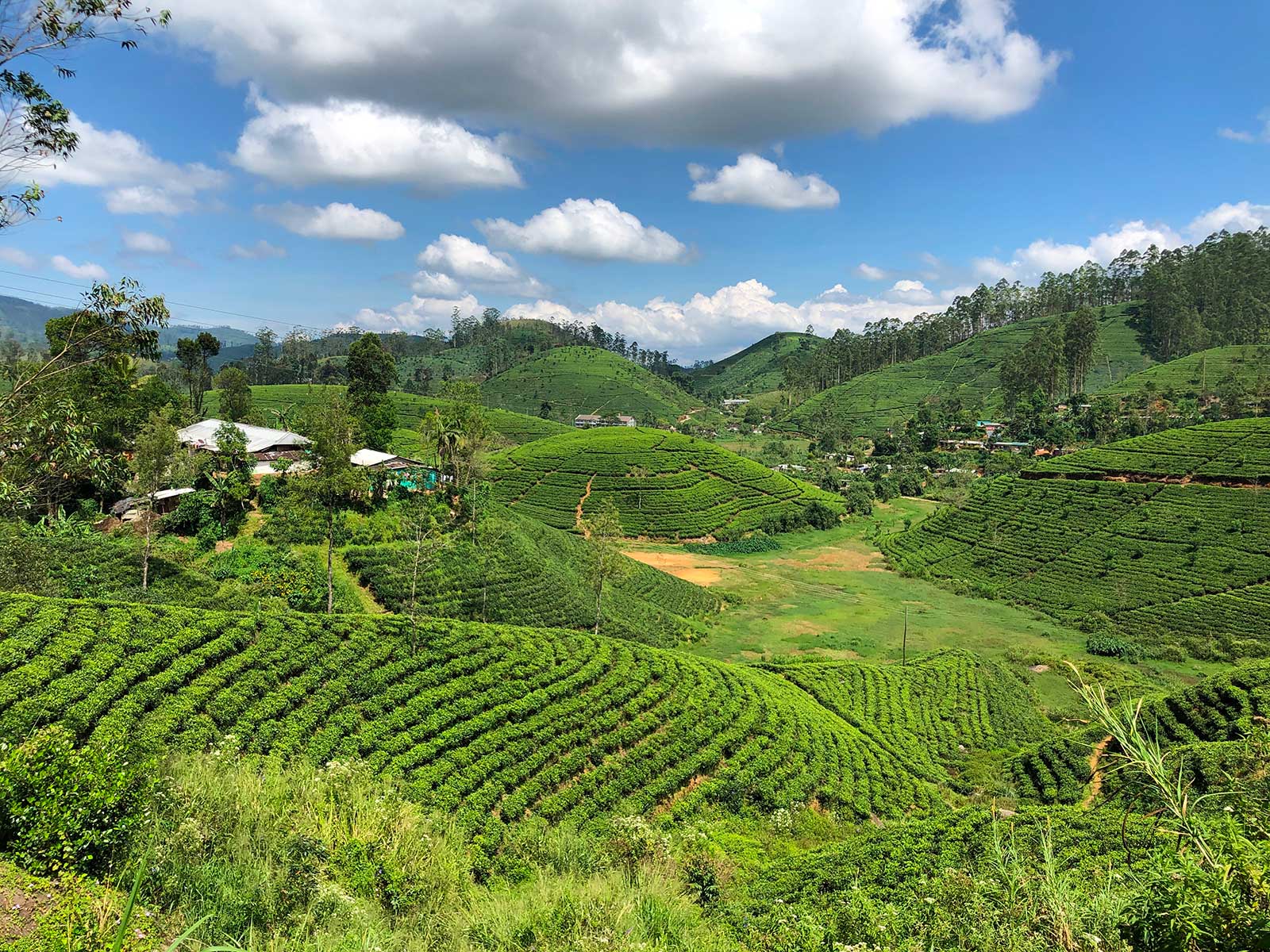
The story of tea in Sri Lanka began in the mid-19th century when coffee plantations were decimated by disease. Planters, seeking an alternative crop, turned to tea, and the rest, as they say, is history. What started as an experiment blossomed into a global phenomenon, with Ceylon Tea becoming synonymous with quality and distinct flavor profiles. The central highlands provide the ideal climate and elevation for cultivating this prized beverage, creating a landscape of rolling green hills that stretch as far as the eye can see.
Fun Fact:The first tea plant in Sri Lanka was planted by James Taylor in 1867 at Loolecondera Estate, Kandy, marking the birth of Ceylon Tea.
Beginning the Journey: Geragama Tea Factory
Our tea exploration often begins near the cultural capital of Kandy, at the historic Geragama Tea Factory. Established in 1903, Geragama is one of the oldest and most authentic tea factories in Sri Lanka, offering visitors a fascinating glimpse into traditional tea production methods. It's an excellent starting point to understand the journey of the tea leaf from the bush to your cup.
What to Expect at Geragama
- Factory Tour:Knowledgeable guides lead you through the various stages of tea processing, from wilting and rolling to fermentation, drying, and grading. You'll witness vintage machinery still in use, offering a tangible connection to the past.
- Tea Tasting:The tour culminates in a delightful tea-tasting session. Here, you can sample different grades and varieties of Geragama tea, learning to distinguish between delicate silvertip and robust broken orange pekoe (BOP).
- Souvenir Shop:Purchase fresh, high-quality tea directly from the source, making for a perfect memento or gift.
The experience at Geragama Tea Factory is not just informative; it's an immersive dive into the craft and dedication behind every cup of Ceylon Tea. It sets the stage for a deeper appreciation of the tea country as you venture further into the highlands.
Through the Misty Mountains: The Hill Country Drive
Leaving Kandy and Geragama, the journey deeper into the hill country is an experience in itself. Winding roads carve through emerald tea plantations, punctuated by cascading waterfalls and charming colonial-era towns. This region, often referred to as "Little England," is home to some of the most picturesque landscapes on the island.
Towns like Nuwara Eliya stand out with their cool climate and British colonial architecture, offering a different facet of the tea country experience. Further south, the region around Ella has become a hub for travelers, renowned for its incredible hiking opportunities, including the popular Ella Rock, which offers stunning views over the valleys and tea estates.
Consider taking a scenic train journey, particularly the route from Kandy towards Badulla (passing through Hatton, Nanu Oya for Nuwara Eliya, and Ella). This iconic train ride is celebrated for its breathtaking vistas, meandering through tunnels, over viaducts, and past endless tea gardens, making it one of the most picturesque rail journeys in the world.
Life on a Tea Estate
As you traverse the tea country, you'll encounter the vibrant life of the tea estates. The sight of tea pluckers, predominantly Tamil women, adorned in colorful sarees, skillfully plucking "two leaves and a bud" is an iconic image of Sri Lanka. Their dedication is paramount to the quality of the final product.
Many estates offer visitors the chance to engage with the tea pluckers, learn about their techniques, and even try their hand at plucking. It's a humbling experience that offers insight into the human effort behind the tea industry. Accommodation options within the tea country range from charming guesthouses to luxurious colonial bungalows, often set amidst the plantations themselves, providing an authentic and serene retreat.
The Grand Finale: Lipton's Seat
The culmination of many tea country adventures is a visit to Lipton's Seat, a stunning viewpoint located atop the Poonagala hills in the Haputale region, near the Dambatenne Tea Factory. This iconic spot gained its name from Sir Thomas Lipton himself, the Scottish tea magnate who frequently visited this vantage point to survey his vast tea estates.
Reaching Lipton's Seat
The journey to Lipton's Seat is an adventure in itself. Most visitors start from Haputale or the nearby Dambatenne Tea Factory. You can hire a tuk-tuk for the winding uphill climb, or for the more adventurous, a significant portion can be walked, offering breathtaking views at every turn. The final stretch is a paved road leading directly to the viewpoint.
The Views from the Top
From Lipton's Seat, the panorama is simply astounding. On a clear day, you can see across several districts, encompassing emerald tea valleys, distant mountains, and even the south coast of Sri Lanka. It's a truly humbling experience to stand where Sir Thomas Lipton once stood, surveying his empire.
The best time to visit is early morning, ideally for sunrise, before the mists roll in and obscure the view. The golden light bathing the tea plantations creates a magical atmosphere. Alternatively, late afternoon can offer equally spectacular views and a stunning sunset.
Travel Tip:Pack a light jacket, as it can be chilly at the summit, especially in the early morning. Don't forget your camera!
Beyond the Tea: Exploring the Surroundings
While tea is the star, the hill country offers more to explore. Near Nuwara Eliya, you can visit the beautiful Ramboda Falls or stroll through Horton Plains National Park. The region around Ella boasts other natural wonders like Nine Arch Bridge and Little Adam's Peak, all set amidst lush tea landscapes.
For those looking to combine the cool hills with warmer climes, the south coast beaches are easily accessible by train or bus. Imagine transitioning from the misty tea plantations to the golden sands of Unawatuna Beach or exploring the historic Galle Dutch Fort in just a few hours.
Practical Tips for Your Tea Plantation Adventure
- Best Time to Visit:The dry season, typically from December to March, offers the clearest views and most pleasant weather in the hill country. However, even during the monsoon, the mist and rain lend a mystical charm to the landscape.
- What to Wear:Layers are key. Mornings and evenings can be cool, while midday can be warm. Comfortable walking shoes are essential for exploring plantations and viewpoints.
- Respectful Tourism:Always ask for permission before photographing tea pluckers. Support local communities by purchasing tea and crafts directly from the estates or small shops.
- Stay Hydrated:Even in cooler temperatures, it's important to drink plenty of water, especially if you're hiking.
Conclusion
Exploring Sri Lanka's tea plantations is more than just a sightseeing trip; it's an immersive journey into the island's soul. From understanding the meticulous process at Geragama Tea Factory to marveling at the boundless vistas from Lipton's Seat, every moment in the tea country is steeped in history, natural beauty, and the enduring spirit of Ceylon Tea. It’s an unforgettable experience that awakens the senses and leaves you with a profound appreciation for this remarkable land.