
Essential Sinhala Phrases for Your Trip to Sri Lanka
Embarking on a journey to Sri Lanka promises an unforgettable experience of vibrant culture, stunning landscapes, and warm hospitality. While English is spoken in many tourist areas, learning a few essential Sinhala phrases can profoundly enrich your interactions and open doors to more authentic local connections. A little effort goes a long way in showing respect and appreciation for the island nation's rich heritage.
Why Learn Basic Sinhala?
Beyond simply getting by, speaking even a handful of Sinhala words demonstrates genuine interest in the local culture, often leading to warmer smiles, more helpful service, and memorable exchanges. Locals appreciate the effort, and it can significantly enhance your travel experience, whether you're navigating the bustling streets of Kandy, exploring the historic Galle Dutch Fort, or simply ordering a fresh juice at Unawatuna Beach.
Fun Fact:Sinhala (or Sinhalese) is an Indo-Aryan language primarily spoken by the Sinhalese people of Sri Lanka, who constitute the largest ethnic group on the island. It has its own unique script, derived from the ancient Brahmi script.
Greetings and Basic Courtesies
Mastering these fundamental phrases will help you make a great first impression.
- Hello / Goodbye / May you live long:Ayubowan(ආයුබෝවන්)
This is the most important and versatile greeting. It's often accompanied by the "Namaste" gesture (palms pressed together, fingers pointing upwards, thumbs close to the chest).
- Thank you:Isthuthi(ඉස්තූතියි)
A simple "Isthuthi" can go a long way when receiving help or service, from a tuk-tuk driver in Ella to a vendor at a local market.
- Please:Karunakara(කරුණාකර)
Use this to politely request something.
- Excuse me / Sorry:Samawenna(සමාවෙන්න)
Useful for attracting attention or apologizing if you accidentally bump into someone.
- Yes:Owu(ඔව්)
- No:Naa(නෑ)
- Good Morning:Suba Udasanak(සුබ උදෑසනක්)
- Good Evening:Suba Sandawak(සුබ සන්ධ්යාවක්)
- Good Night:Suba Raathriyak(සුබ රාත්රියක්)
Getting Around
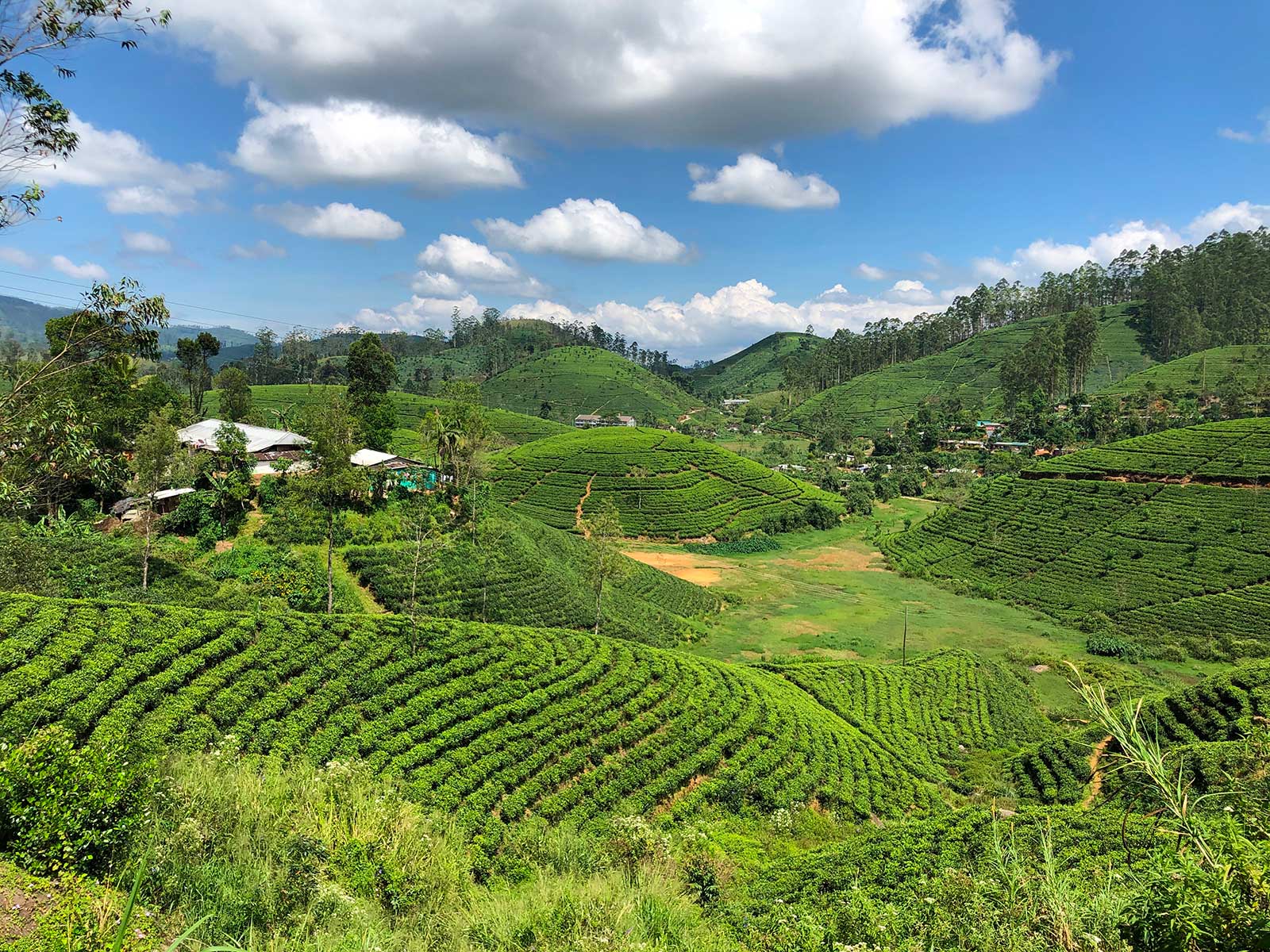
Navigating Sri Lanka's diverse landscapes, from the tea plantations of Nuwara Eliya to the southern beaches of Mirissa, becomes easier with these phrases.
- Where is...? :...koheda?(...කොහෙද?)
- Toilets koheda?(Where are the toilets?)
- Bus stand koheda?(Where is the bus stand?)
- Galle Fort koheda?(Where is Galle Fort?)
- How much? :Keeyada?(කීයක්ද?)
Essential for asking prices, especially when haggling for souvenirs or a tuk-tuk ride.
- Stop here:Meka nawaththanna(මේක නවත්වන්න)
Crucial for directing your driver to your desired stop, perhaps near Dalawella Beach for a swing photo.
- Go straight:Kondata yanna(කෙලින්ම යන්න)
- Turn left:Waamatha harawanna(වමට හරවන්න)
- Turn right:Dakunatha harawanna(දකුණට හරවන්න)
- Bus:Baas(බස්)
- Train:Kataroluwa(කතරෝලුව)
- Tuk-tuk:Tuk-tuk(ටුක්-ටුක්)
Dining and Food
Sri Lankan cuisine is a highlight for many visitors. Use these phrases to order, compliment, and make special requests.
- Delicious:Rasai(රසයි)
A simple compliment can bring a big smile to your host or chef, whether you're enjoying a meal near Koggala Lake or a local eatery in Weligama.
- Water:Wathura(වතුර)
- No chili / Not spicy:Miris naa / Thalmasa naa(මිරිස් නෑ / තල්මසා නෑ)
If you're sensitive to spice, this phrase will be your best friend!
- Vegetarian:Niramaansa(නිරාමිස)
- The bill, please:Bil eka denna(බිල් එක දෙන්න)
- Rice and Curry:Bath saha curry(බත් සහ කරි)
The staple meal of Sri Lanka, offering a variety of curries with rice.
Shopping and Bargaining
Haggling is common in markets, and knowing a few phrases can help you secure a better deal or simply engage in a friendly negotiation.
- How much? :Keeyada?(කීයක්ද?)
As mentioned, this is crucial for prices, whether you're buying tea from a local shop near Geragama Tea Factory or souvenirs in a bustling town.
- Too expensive:Godak ganan(ගොඩක් ගණන්)
- Can you reduce the price?:Gana adu karannapuluvanda?(ගණ අඩු කරන්න පුලුවන්ද?)
Don't be shy to ask politely!
Emergencies and Help
While we hope you won't need these, it's always wise to be prepared.
- Help!:Udaw!(උදව්!)
- Doctor:Dosthara(දොස්තර)
- Police:Polisiya(පොලීසිය)
- I am sick:Mata ledayi(මට ලෙඩයි)
- I need a hospital:Mata rohalak oney(මට රෝහලක් ඕනේ)
Common Questions and Answers
Engaging in simple conversations can lead to meaningful cultural exchanges.
- What is your name?:Oyaage nama mokakda?(ඔයාගේ නම මොකක්ද?)
- My name is...:Mage nama...(මගේ නම...)
- Where are you from?:Oya kohenda?(ඔයා කොහෙන්ද?)
- I am from...:Mama ...gen(මම ...ගෙන්)
For example,Mama Ingreesi gen(I am from England) orMama America gen(I am from America).
- Are you well?:Hondin innawada?(හොඳින් ඉන්නවාද?)
- I am well:Mama hondin innawa(මම හොඳින් ඉන්නවා)
Useful Tips for Learning Sinhala
- Don't Be Afraid to Try:Locals appreciate the effort, even if your pronunciation isn't perfect.
- Use a Phrasebook or App:Carry a small Sinhala phrasebook or download a translation app on your phone.
- Listen and Repeat:Pay attention to how locals pronounce words and try to mimic them.
- Body Language and Gestures:Sri Lankans are generally very expressive. Combine your phrases with appropriate gestures for clearer communication.
- Write It Down:If you're struggling with pronunciation, try writing the phrase down for locals to read.
- Practice with Service Staff:Your hotel staff, guesthouse owners in Unawatuna, or restaurant servers are often happy to help you practice.
Beyond the Phrases: Cultural Nuances
While words are important, remember that non-verbal communication also plays a huge role. A warm smile, eye contact (but not overly direct, which can be seen as aggressive), and the "Ayubowan" gesture with folded hands are universally understood and appreciated. Respect local customs, especially when visiting religious sites like temples in Kandy or observing traditions near Ramboda Falls. Understanding these nuances will truly deepen your connection with the island.
Conclusion
Learning a few essential Sinhala phrases is more than just a practical tool for travel; it's an invitation to connect more deeply with the heart of Sri Lanka. From sharing a laugh with a local vendor to confidently ordering your favorite dish, these simple words will undoubtedly enrich your journey, making your experience truly unforgettable. So, pack your bags, practice your "Ayubowan," and get ready to embrace the magic of this incredible island!