
Best Time to Visit Sri Lanka: Weather & Activities Guide
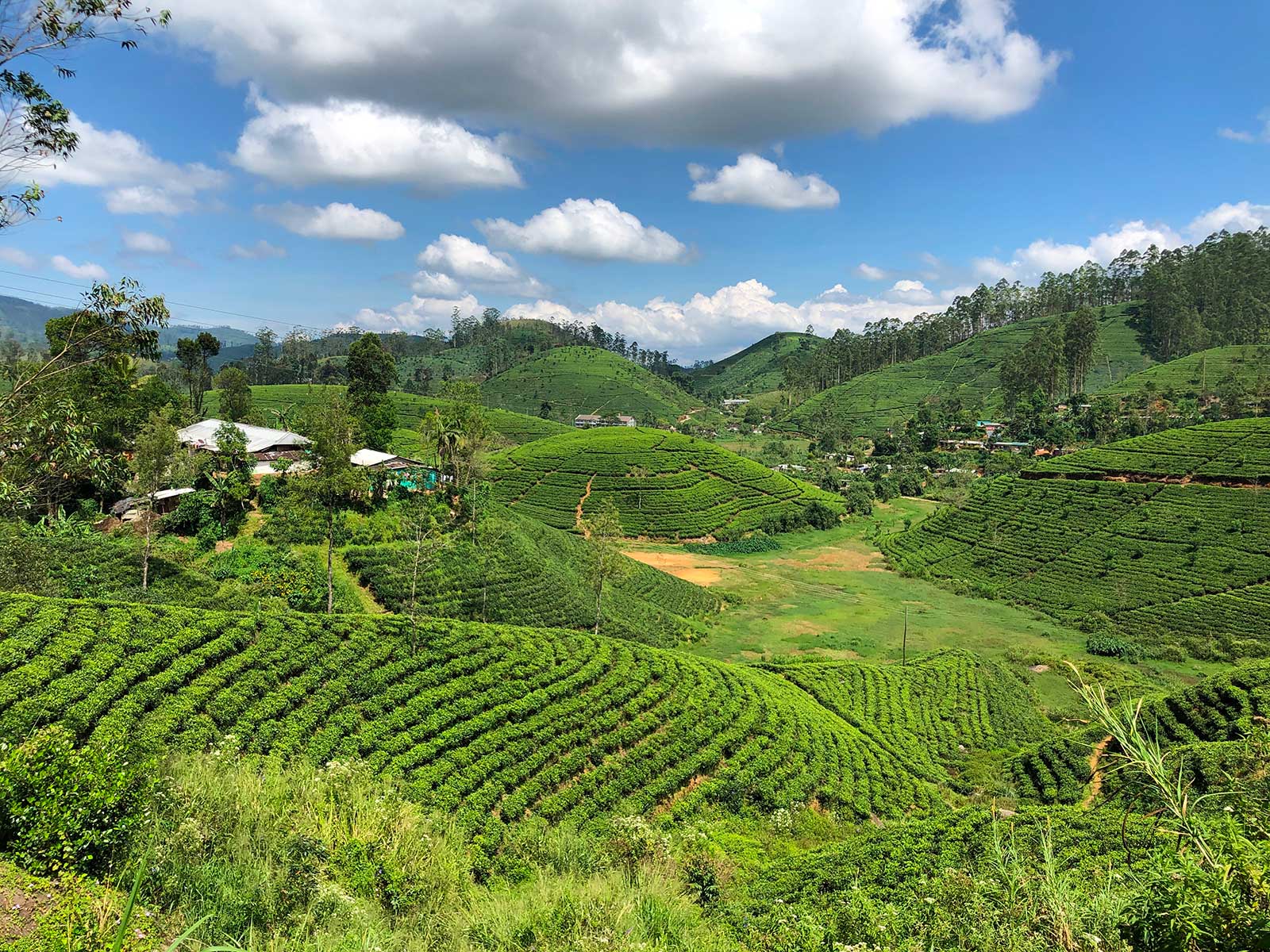
Sri Lanka, the Pearl of the Indian Ocean, offers a captivating blend of pristine beaches, ancient history, lush tea plantations, and vibrant culture. While it’s often considered a year-round destination, understanding its distinct monsoon seasons is key to planning your perfect island getaway and ensuring you experience the best of what each region has to offer.
Understanding Sri Lanka's Monsoon Seasons
Sri Lanka experiences two primary monsoon seasons, affecting different parts of the island at different times, which can initially seem confusing. However, this geographical split means that somewhere on the island, the weather is likely to be ideal for exploration.
- Yala Monsoon (May to September):Primarily affects the southwestern coast and the central highlands. During this period, these regions experience significant rainfall, often in heavy afternoon downpours, though mornings can still be sunny.
- Maha Monsoon (October to January):Impacts the northern and eastern parts of the island. This brings rain to areas like Trincomalee, Batticaloa, and Jaffna.
Between these major monsoon periods, there are also "inter-monsoonal" periods (March-April and October-November) where weather can be more unpredictable, with localized showers possible across the island.
The Peak Season (December to March): South & West Coasts Shine
This period is widely considered the best time to visit the popular southern and western coasts of Sri Lanka, as well as the central highlands. It aligns perfectly with many international holiday seasons, making it a bustling and vibrant time to explore.
Weather
Expect consistently dry, sunny days with calm seas along the south and west coasts. Temperatures typically hover around 28-30°C, with a pleasant breeze. The Hill Country, including destinations like Nuwara Eliya and Ella, will be cooler but equally dry and clear, offering stunning vistas.
Activities
- Beach Holidays:Indulge in sunbathing, swimming, and watersports at renowned beaches like Unawatuna Beach,Koggala Beach,Thalpe Beach,Dalawella Beach,Jungle Beach,Mirissa, and Weligama. These months are perfect for enjoying the pristine coastline.
- Surfing:The south coast offers excellent conditions for surfing, especially for beginners and intermediates. Popular spots include Weligama and Hiriketiya Beach.
- Whale and Dolphin Watching:From December to April, the waters off Mirissa are prime for spotting blue whales, sperm whales, and various dolphin species.
- Cultural Exploration:Discover the colonial charm of Galle Dutch Fort and its iconic Galle Lighthouse. Explore the sacred city of Kandy and its Temple of the Tooth.
- Hill Country Adventures:Trek to Ella Rock, visit Ramboda Falls, or tour a tea factory like Geragama Tea Factory in the dry, crisp mountain air.
Pros:Ideal weather for most popular tourist activities, calm seas, perfect for beach lovers and cultural explorers.Cons:Higher prices for accommodation and flights, larger crowds, especially around major holidays.
The Shoulder Season (April to September): East Coast & Cultural Exploration
As the Yala monsoon begins to affect the southwest, the east coast of Sri Lanka comes into its own. This period offers a fantastic alternative for those looking to avoid crowds and experience different facets of the island.
Weather
The eastern and northern regions, including Trincomalee and Arugam Bay, enjoy dry, sunny weather with calm seas from May to September. Meanwhile, the southwest and central highlands experience increasing rainfall, typically in short, heavy bursts, with plenty of sunshine in between.
Activities
- East Coast Beaches:Head to the east for excellent beach weather. While not listed in the provided links, beaches around Trincomalee and Arugam Bay offer fantastic opportunities for relaxation and watersports.
- Surfing on the East Coast:Arugam Bay becomes a world-renowned surf destination during these months.
- Cultural Triangle Exploration:The dry and hot conditions in the Cultural Triangle (e.g., Sigiriya, Dambulla, Polonnaruwa, and Kandy) make it an ideal time to explore ancient ruins and heritage sites, with fewer crowds than in peak season.
- Wildlife Safaris:National parks like Minneriya (especially for the 'Gathering' of elephants in August/September) and Kaudulla offer spectacular wildlife viewing opportunities. Yala National Park on the south coast may experience closures or reduced access in September/October for maintenance, so check ahead.
- Hill Country:While wetter, the Hill Country remains beautiful. The rain brings out the lush greenery, making waterfalls like Ramboda Falls even more impressive. Hiking to Ella Rock is still possible, but prepare for muddy trails.
Pros:Ideal weather for the East Coast, fewer crowds in popular areas, better value, excellent for wildlife and cultural sites.Cons:Rain can disrupt plans on the South/West coasts and in the Hill Country.
The Off-Peak / Green Season (May to November): Embrace the Lushness
Don't dismiss Sri Lanka during its off-peak season. While parts of the island experience monsoon rains, this period offers a different, often more authentic, travel experience with several advantages.
Weather
This period encompasses the Yala monsoon in the southwest and central highlands (May-September) and the Maha monsoon affecting the north and east (October-January). Expect higher humidity and frequent, though often short, rain showers. The landscape becomes incredibly lush and green.
Activities
- Lush Landscapes and Waterfalls:The rain transforms the countryside into a vibrant green paradise. Waterfalls are at their most powerful and picturesque.
- Wellness and Retreats:Many wellness centers and yoga retreats on the south coast remain open, offering serene experiences away from the crowds.
- Cooking Classes and Cultural Experiences:Engage in local life with cooking classes, temple visits, or exploring local markets.
- Lower Prices:Accommodation and flights are generally more affordable, offering great value for budget-conscious travelers.
- Photography:Capture the dramatic skies, mist-shrouded hills, and vibrant flora that monsoon seasons bring.
"Traveling during the 'Green Season' often reveals a more intimate side of Sri Lanka. With fewer tourists, you'll find a deeper connection with the local culture and witness the island's natural beauty in its most vibrant, verdant state."
Pros:Significantly fewer tourists, lower prices, incredibly lush and beautiful scenery, unique cultural immersion opportunities.Cons:Rain can impact outdoor activities and beach plans, some smaller businesses might close, seas can be rougher.
Regional Weather Breakdown
- South & West Coasts (e.g.,Unawatuna,Mirissa,Weligama,Polhena Beach):Best from December to March. Experience the Yala monsoon from May to September. October and November are inter-monsoonal with unpredictable weather.
- East Coast (e.g., Trincomalee, Arugam Bay):Best from May to September. Experience the Maha monsoon from October to January. February to April are generally dry.
- Hill Country (e.g.,Ella,Nuwara Eliya,Kandy):Generally pleasant year-round due to altitude. Drier from December to March. Experiences some rain during the Yala monsoon (May-September) and can be affected by spillover from the Maha monsoon (October-December). Always cooler.
- Cultural Triangle (e.g., Sigiriya, Dambulla):Generally hot and dry throughout the year, but can experience rain during inter-monsoonal periods (March-April, October-November) and the tail ends of the monsoons.
Top Tips for Planning Your Trip
- Consider a Multi-Region Trip:Sri Lanka's compact size means you can often combine regions experiencing good weather. For example, in May, you could start on the East Coast and then move to the Hill Country.
- Book in Advance for Peak Season:If traveling between December and March, especially around Christmas and New Year, secure your flights and accommodation well in advance.
- Pack Smart:Regardless of the season, include lightweight rain gear and sun protection. Even during monsoons, there are plenty of sunny spells.
- Don't Fear the Off-Season:If you're flexible and don't mind occasional showers, the green season offers incredible value, lush landscapes, and a more authentic experience with fewer tourists.
- Stay Updated:Always check localized weather forecasts closer to your travel date, as climate patterns can be unpredictable.
Ultimately, the "best" time to visit Sri Lanka depends on your priorities. Whether you crave sun-drenched beaches, cultural immersion, or lush mountain treks, this diverse island has something magnificent to offer year-round. By understanding its unique weather patterns, you can plan an unforgettable adventure tailored to your preferences.