
A Brief History of Sri Lanka: Key Sites and Events for Travelers
Sri Lanka, often called the "Pearl of the Indian Ocean," boasts a history as vibrant and diverse as its landscapes. Understanding its past is key to appreciating the island's unique culture, ancient ruins, and colonial architecture, offering travelers a richer, more immersive experience.
Ancient Kingdoms and the Rise of Buddhism
Sri Lanka's recorded history spans over two millennia, beginning with the arrival of Prince Vijaya from India around the 6th century BCE, establishing the Sinhalese kingdom. However, it was the arrival of Buddhism in the 3rd century BCE that truly shaped the island's identity.
Anuradhapura: The First Great Capital
The ancient city of Anuradhapura, a UNESCO World Heritage Site, served as the island's capital for over 1,300 years. It was here that King Devanampiya Tissa embraced Buddhism, leading to the construction of magnificent dagobas (stupas), elaborate monasteries, and sophisticated irrigation systems.
- Jaya Sri Maha Bodhi:A sacred fig tree, said to be a sapling from the original Bodhi tree under which Buddha attained enlightenment.
- Ruwanwelisaya and Jetavanaramaya:Massive dagobas, testaments to ancient engineering and religious devotion.
- Isurumuniya Temple:Famous for its rock carvings and serene atmosphere.
Exploring Anuradhapura offers a profound insight into early Buddhist civilization and architectural prowess.
Polonnaruwa: A Medieval Marvel
Following the decline of Anuradhapura, Polonnaruwa rose to prominence as the capital in the 11th-13th centuries. This period is often considered a golden age, marked by impressive advancements in art, architecture, and irrigation. Travelers can witness:
- Gal Vihara:Four magnificent rock-carved Buddha statues in different postures.
- Parakramabahu I's Royal Palace:Ruins of a seven-story palace and audience halls.
- Lankatilaka Vihara:A towering brick image house with a large standing Buddha statue.
Polonnaruwa showcases a different artistic style and urban planning compared to its predecessor, reflecting a period of refined craftsmanship.
Travel Tip:When visiting ancient sites like Anuradhapura and Polonnaruwa, dress respectfully, covering shoulders and knees, as these are active religious sites.
The Colonial Era: European Influence and the Spice Trade
From the 16th century onwards, Sri Lanka's strategic location along ancient maritime trade routes attracted European powers, each leaving an indelible mark on the island's culture, architecture, and economy.
Portuguese (1505-1658)
The Portuguese were the first Europeans to arrive, initially drawn by the lucrative spice trade. They established coastal strongholds, introduced Christianity, and influenced local cuisine and language. Their presence was largely confined to the coastal areas, clashing frequently with the local Sinhalese kingdoms.
Dutch (1658-1796)
The Dutch East India Company ousted the Portuguese, establishing a more systematic control over the maritime provinces. They built formidable forts, developed a robust legal system, and further expanded the cinnamon trade. The most iconic legacy of their rule is the Galle Dutch Fort, a UNESCO World Heritage Site.
Wandering through the cobblestone streets of the Galle Dutch Fort, past its well-preserved colonial buildings, churches, and the iconic Galle Lighthouse, is like stepping back in time. This charming city also serves as a great base for exploring nearby beaches like Unawatuna Beach,Jungle Beach,Dalawella Beach, and Thalpe Beach, or visiting the vibrant town of Unawatuna.
British (1796-1948)
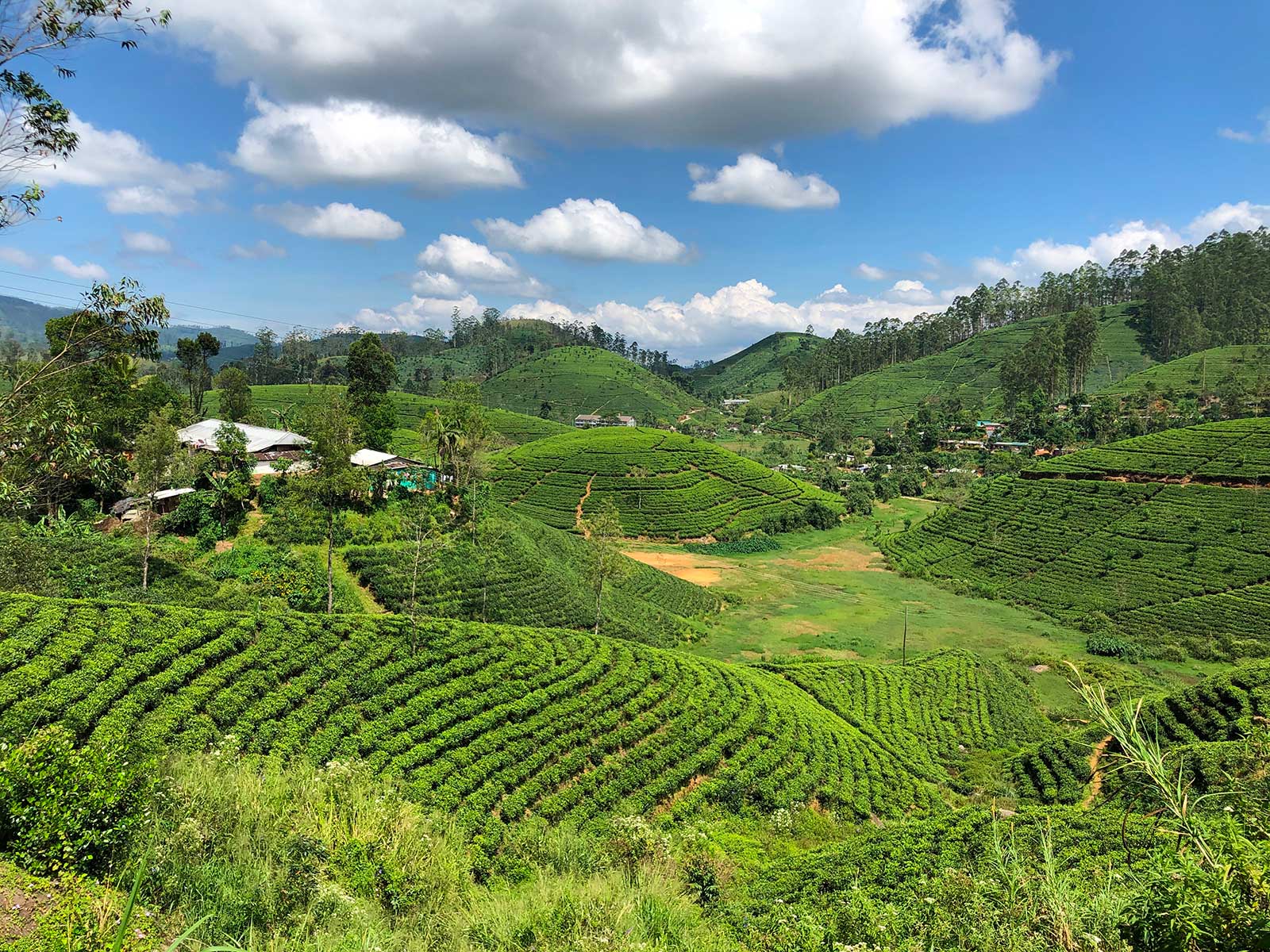
The British took over from the Dutch and eventually gained control of the entire island by 1815, deposing the last Kandyan king. They transformed the island's economy by introducing coffee, rubber, and most significantly, tea plantations. The British also built extensive road and rail networks, connecting the tea-growing highlands to the ports.
- Hill Country:Regions like Nuwara Eliya, often called "Little England," and Ella bear strong imprints of British colonial life with their tea estates, bungalows, and cool climate. Travelers can visit a working tea factory like Geragama Tea Factory to learn about the process and enjoy fresh Ceylon tea.
- Kandy:The last stronghold of the Sinhalese kings, it became a significant administrative and cultural center under British rule. The Temple of the Sacred Tooth Relic here remains one of the most revered Buddhist sites globally.
Independence and Modern Sri Lanka
Sri Lanka gained independence from British rule on February 4, 1948, becoming a sovereign nation. The post-independence era brought both progress and challenges, including a decades-long ethnic conflict that ended in 2009. Since then, the country has focused on reconciliation, rebuilding, and developing its tourism sector.
Today, Sri Lanka is a stable, democratic nation, welcoming visitors to explore its diverse attractions. The island offers an incredible array of experiences, from surfing at Weligama and Hiriketiya Beach, whale watching from Mirissa, enjoying the calm waters of Polhena Beach, or relaxing by Koggala Lake and Koggala Beach. Natural wonders like Ramboda Falls and the Hummanaya Blow Hole continue to captivate, while treks to sites like Ella Rock provide breathtaking views.
Why History Matters for Travelers
Every ancient ruin, colonial building, and traditional festival in Sri Lanka tells a story. Understanding the historical context transforms a simple sightseeing trip into a profound journey of discovery. It helps travelers appreciate the resilience of its people, the richness of its spiritual traditions, and the intricate blend of influences that make Sri Lanka so unique today.
From the grandeur of ancient kingdoms to the charm of colonial towns and the vibrant pulse of modern life, Sri Lanka's history is not just in books; it's alive in every corner of this enchanting island, waiting to be explored.