
What to Pack for Sierra Leone: Essential Checklist for Your Trip
Embarking on an adventure to Sierra Leone promises an unforgettable journey through a land of stunning natural beauty, vibrant culture, and warm hospitality. To ensure your trip is as smooth and enjoyable as possible, a thoughtful packing strategy is essential. This comprehensive guide will help you prepare for the tropical climate, diverse landscapes, and unique experiences that await you.
Understanding Sierra Leone's Climate and Terrain
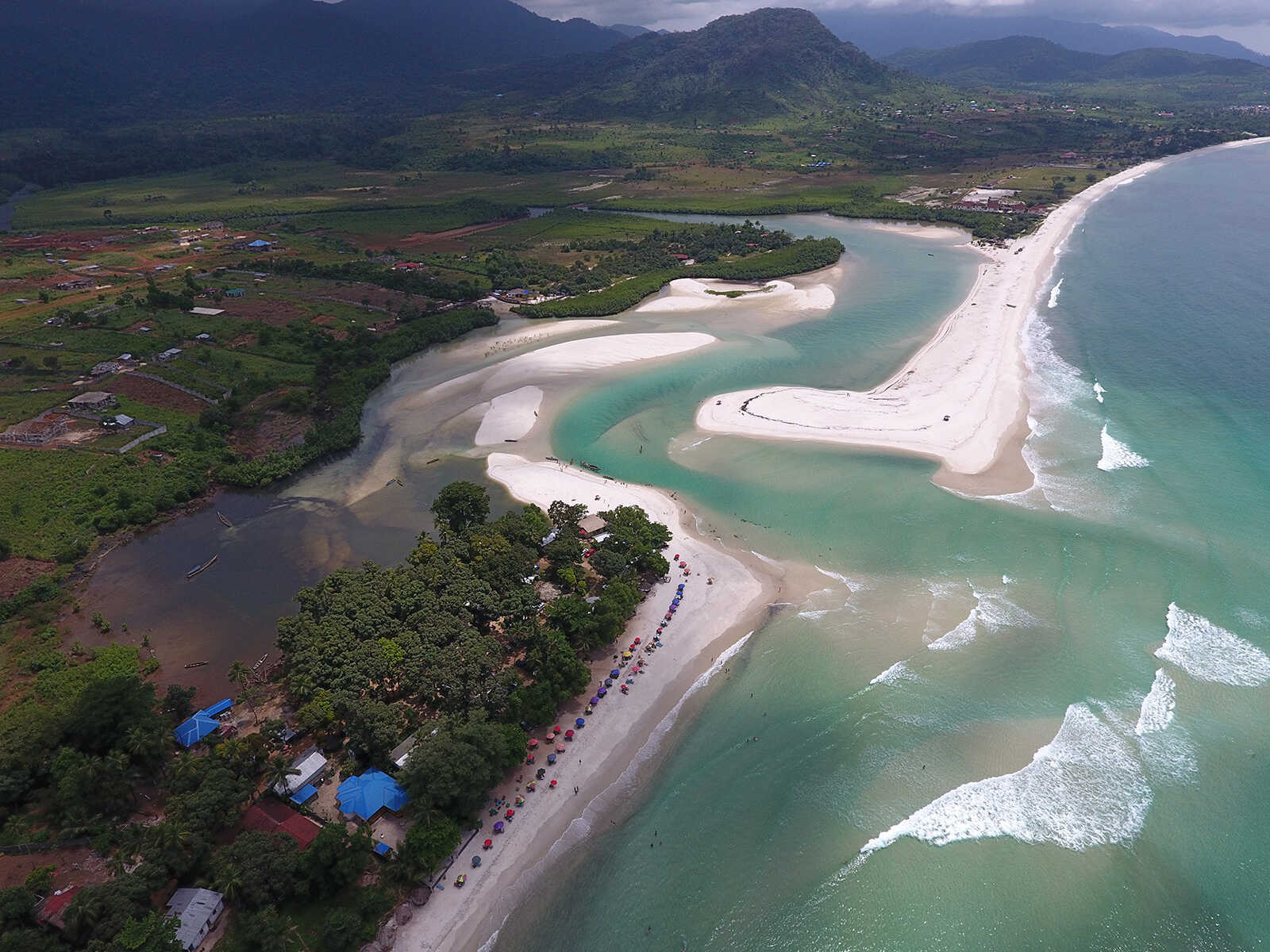
Sierra Leone experiences a tropical climate with two main seasons: the dry season (November to May) and the rainy season (June to October). Temperatures are consistently warm to hot year-round, often hovering around 25-30°C (77-86°F), accompanied by high humidity. The country boasts lush rainforests, rolling hills, and pristine white-sand beaches along its coast, like the famous Bureh Beach and the picturesque River No 2 Beach. Your packing list should reflect these conditions, prioritizing comfort, practicality, and cultural sensitivity.
Clothing: Stay Cool and Respectful
The key to comfortable clothing in Sierra Leone is lightweight, breathable fabrics. Think cotton, linen, and moisture-wicking materials that dry quickly.
- Lightweight T-shirts and Tops:Pack several breathable t-shirts, tank tops (for beach areas), and blouses. Light colors are best as they reflect sunlight.
- Long-Sleeved Shirts and Trousers:Essential for evenings to protect against mosquito bites, and also useful for sun protection during the day. Opt for loose-fitting, light materials.
- Shorts and Skirts:Comfortable shorts or knee-length skirts are suitable for casual wear, especially in coastal areas.
- Modest Attire:When visiting towns, villages, or religious sites, it's respectful to dress modestly. Women should consider packing longer skirts or dresses and tops that cover shoulders. Men should avoid overly revealing attire.
- Swimwear:Absolutely essential for enjoying Sierra Leone's stunning coastline. Pack a couple of swimsuits for days spent relaxing at Tokeh Beach or exploring other beautiful shores.
- Rain Gear (Rainy Season):If traveling between June and October, a lightweight waterproof jacket or a compact umbrella is crucial.
- Light Jacket or Sweater:While generally hot, evenings can sometimes have a slight breeze, and air-conditioned spaces might feel cool. A light layer can be useful.
Footwear: Comfort and Versatility
You'll likely be doing a fair amount of walking, whether exploring bustling markets or strolling along the beach.
- Comfortable Walking Shoes/Sandals:A sturdy pair of sandals or breathable sneakers are ideal for everyday wear and exploring cities like Freetown, where you might encounter landmarks such as the historic Cotton Tree.
- Flip-Flops/Waterproof Sandals:Perfect for the beach, hotel showers, or just lounging.
- Hiking Shoes/Boots (Optional):If you plan to trek through national parks or rainforests, a pair of lightweight, durable hiking shoes with good grip will be invaluable.
Health and Safety Essentials
Prioritizing your health and safety is paramount. Medical facilities in Sierra Leone can be basic, especially outside of Freetown, so come prepared.
- Personal Medications:Bring an ample supply of any prescription medications you need, along with copies of your prescriptions.
- Basic First-Aid Kit:Include pain relievers, antiseptic wipes, bandages, blister plasters, anti-diarrhea medication, rehydration salts, and any personal allergy medications.
- Insect Repellent:A strong repellent containing DEET or Picaridin is highly recommended to protect against mosquitoes, which can carry malaria and other diseases.
- Sun Protection:High-SPF sunscreen, a wide-brimmed hat, and sunglasses are essential to protect against the strong tropical sun.
- Hand Sanitizer:For hygiene when water and soap aren't readily available.
- Water Purification:Consider bringing water purification tablets or a filtered water bottle to minimize reliance on bottled water and reduce plastic waste.
- Mosquito Net:While many accommodations provide them, a lightweight, portable mosquito net (especially if treated with permethrin) can offer extra peace of mind.
- Vaccination Records:Your Yellow Fever vaccination certificate is mandatory for entry. Keep all vaccination records easily accessible.
Travel Tip:Always consult your doctor or a travel clinic well in advance of your trip for advice on necessary vaccinations and malaria prophylaxis for Sierra Leone.
Documents and Money
Keep these vital items secure and accessible.
- Passport and Visa:Ensure your passport is valid for at least six months beyond your intended departure date and that you have the necessary visa.
- Photocopies and Digital Copies:Carry physical photocopies of your passport, visa, flight tickets, and travel insurance, and store digital copies on your phone or in a cloud service.
- Travel Insurance Details:Have your policy number and emergency contact information readily available.
- Flight and Accommodation Details:Keep printouts or digital copies of all your bookings.
- Local Currency (Leones):While USD can be exchanged, having some local currency for smaller purchases and tips is advisable. ATMs are primarily found in Freetown and major towns.
- Credit/Debit Cards:Inform your bank of your travel plans to avoid card suspension. Note that card acceptance is limited outside of major hotels and restaurants.
- Yellow Fever Certificate:A requirement for entry into Sierra Leone.
Electronics and Gadgets
Stay connected and capture your memories.
- Universal Power Adapter:Sierra Leone uses Type D (three round pins) and Type G (three rectangular pins) sockets. A universal adapter is a must.
- Portable Power Bank:Power outages can occur, so a fully charged power bank will keep your devices running.
- Camera and Accessories:Capture the stunning landscapes and vibrant culture. Don't forget extra batteries, memory cards, and a protective case.
- Mobile Phone and Charger:Consider getting a local SIM card for easier communication and data access.
- Headlamp or Flashlight:Invaluable for navigating in the dark, especially during power cuts or if you're exploring rural areas.
Toiletries and Personal Items
Pack light but don't forget the essentials.
- Travel-Sized Toiletries:Shampoo, conditioner, soap, toothpaste, toothbrush. Consider biodegradable options.
- Sanitary Products:Bring an adequate supply, as specific brands might not be readily available.
- Quick-Dry Towel:Lightweight and practical for various situations.
- Small Backpack/Daypack:Ideal for daily excursions, carrying water, snacks, and personal items.
Miscellaneous and Nice-to-Haves
- Reusable Water Bottle:Help reduce plastic waste by refilling a reusable bottle.
- Books/Entertainment:For downtime during travel or evenings.
- Small Gifts (Optional):Small tokens like pens or notebooks can be appreciated if you visit local schools or communities.
- Plastic Bags:Useful for separating dirty laundry, wet swimwear, or protecting electronics from sand/water.
- Small Lock:For luggage or to secure your daypack.
Final Packing Tips
- Pack Light:Airlines often have strict baggage limits, and lighter luggage is easier to manage on various modes of transport. Consider rolling your clothes to save space.
- Leave Room for Souvenirs:You'll likely want to bring back some unique Sierra Leonean crafts or fabrics.
- Check Baggage Restrictions:Be aware of what items are prohibited or restricted by airlines and customs.
With this comprehensive checklist, you're well on your way to a comfortable, safe, and truly unforgettable adventure in Sierra Leone. Embrace the warmth of its people, the beauty of its landscapes, and the richness of its culture, knowing you're well-prepared for whatever comes your way.