
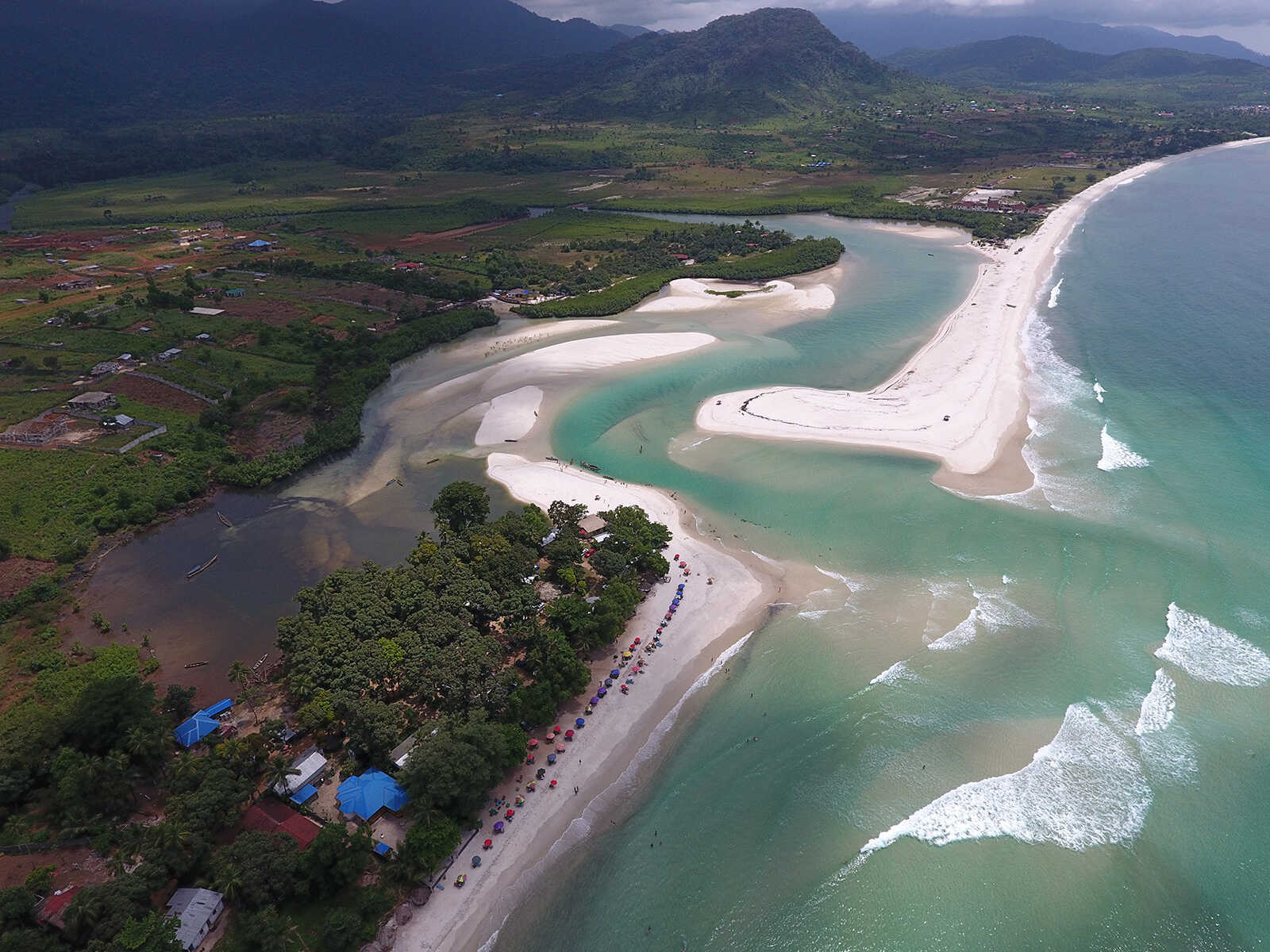
Understanding Sierra Leone Culture and Customs: A Traveler's Guide
Sierra Leone, a nation of breathtaking natural beauty and resilient spirit, offers travelers a profound cultural experience. Understanding its rich tapestry of traditions and customs is key to a rewarding and respectful journey through this vibrant West African gem.
Often referred to affectionately as "Salone," Sierra Leone is a country where diverse ethnic groups coexist, each contributing to a vibrant national identity. From the bustling streets of Freetown to the serene coastal villages, visitors will encounter a warmth and hospitality that is genuinely unforgettable. This guide will help you navigate the cultural nuances, ensuring your visit is both enriching and respectful.
The Warmth of "Salone": Greetings and Hospitality
Hospitality is paramount in Sierra Leonean culture. Expect to be greeted with genuine smiles and warm words. A simple "kusheh" (hello in Krio) goes a long way. Always take the time to greet people, especially elders, and inquire about their well-being before diving into any conversation or request. Handshakes are common, often accompanied by a light touch on the arm, and it’s polite to use your right hand.
Key Greeting Etiquette:
- Always greet elders first.
- Use your right hand for handshakes and receiving/giving items.
- A simple "kusheh" or "how you do?" (How are you?) in Krio is appreciated.
- Don't rush interactions; take time for pleasantries.
Traveler's Tip:When meeting someone for the first time, a full handshake sequence often involves a soft grip, followed by a thumb click (if familiar), and then a firm grip. Observe and adapt!
Respecting Elders and Community Bonds
Respect for elders is a deeply ingrained value across all ethnic groups in Sierra Leone. Elders are seen as repositories of wisdom and experience. When interacting with them, show deference through your posture, language, and actions. It's common to address them using titles like "Pa" (for men) or "Ma" (for women) followed by their first name, or simply as "Sir" or "Madam."
Community and family ties are exceptionally strong. Extended families often live together or nearby, and support networks are robust. You might observe children being cared for by various family members, reflecting the communal approach to raising the next generation. This collective spirit extends beyond immediate family to neighbors and even entire villages.
The Tapestry of Faith: Islam and Christianity
Sierra Leone is a beautiful example of religious tolerance, with Islam and Christianity practiced side-by-side in harmony. Mosques and churches often stand close to each other, and interfaith marriages are common. Religious festivals are celebrated by all, often becoming national events. While generally liberal in practice, a degree of modesty in dress and behavior, particularly in places of worship or more conservative rural areas, is appreciated.
Krio: The Soul of Communication
While English is the official language, Krio is the lingua franca of Sierra Leone, spoken by nearly everyone and serving as a unifying force. It's an English-based Creole language with influences from various African languages, Portuguese, and French. Learning a few basic Krio phrases will not only impress locals but also significantly enhance your interactions and open doors to deeper cultural understanding.
Essential Krio Phrases:
- Kusheh:Hello
- How you do?:How are you?
- A fine, tenki:I'm fine, thank you.
- Wetin you nem?:What is your name?
- Me nem na...:My name is...
- Tenki:Thank you
- Pasens:Please / Excuse me
- Ousai you go?:Where are you going?
Savoring Salone: Food and Drink
Sierra Leonean cuisine is hearty, flavorful, and often spicy. Rice is the staple, served with a variety of rich stews (plassas) made from cassava leaves, potato leaves, groundnut, or palm oil. Fresh seafood, especially along the coast, is abundant and delicious. Don't miss trying local delicacies like "foofoo," "cassava bread," or "groundnut soup."
Street food is popular and a great way to experience local flavors – just ensure it’s freshly prepared and looks hygienic. Bottled water is readily available and recommended for travelers. You might also encounter local palm wine, a sweet alcoholic beverage.
Dress and Decorum: Blending In
While Sierra Leone is generally relaxed, a conservative approach to dress is advisable, particularly outside of beach resorts. For women, modest clothing that covers shoulders and knees is appropriate. For men, shorts are acceptable in casual settings, but trousers are more common for formal occasions or when visiting local communities. Swimwear is reserved for the beach or pool areas, such as those found at Bureh Beach or River No 2 Beach.
Rhythms of Life: Music, Dance, and Celebration
Music and dance are integral to Sierra Leonean life, featuring prominently in celebrations, ceremonies, and everyday social gatherings. You'll hear everything from traditional folk music played on drums and stringed instruments to contemporary Afrobeats and reggae. If you get the chance to witness a traditional dance performance, it's a mesmerizing display of cultural heritage and vibrant energy.
Navigating Daily Life: Punctuality and Photography
"Salone Time":Punctuality is often more flexible than in Western cultures. While appointments are made, expect some fluidity. Patience is a valuable virtue when traveling in Sierra Leone; things move at their own pace.
Photography Etiquette:Always ask for permission before taking someone's photograph, especially in rural areas or when photographing children. Some people may be shy or have cultural reasons for not wanting their picture taken. Respect their wishes. When photographing landmarks or public spaces, be mindful of people around you.
Bargaining:In markets and with informal vendors, bargaining is expected and part of the cultural exchange. Approach it with a friendly demeanor and a smile, and don't be afraid to negotiate prices reasonably. However, in established shops with price tags, bargaining is generally not appropriate.
Practical Tips for the Responsible Traveler
Safety and Awareness
Sierra Leone is generally safe for tourists, but like any destination, it requires common sense. Be aware of your surroundings, especially in crowded areas or after dark. Keep valuables out of sight, and avoid walking alone at night in unfamiliar places. It's always a good idea to inform someone of your itinerary.
Health Precautions
Consult your doctor about necessary vaccinations and malaria prophylaxis before your trip. Drink only bottled or purified water, and be cautious with street food. Carry hand sanitizer and mosquito repellent. Medical facilities outside of Freetown can be limited, so travel insurance is highly recommended.
Transportation
Public transport includes shared taxis and "poda-podas" (minibuses), which are affordable but often crowded. For more comfort and direct routes, private taxis are available. Always negotiate the fare before starting your journey. For longer distances, inter-city buses or shared SUVs are options.
Supporting Local Communities
Choose locally-owned guesthouses, restaurants, and tour operators. Purchase handicrafts directly from artisans. Your tourism can make a significant positive impact on local economies. Explore community-based tourism initiatives, such as those sometimes found near pristine beaches like Tokeh Beach or the iconic Cotton Tree in Freetown, which stands as a symbol of freedom and history.
Embracing the Sierra Leonean Spirit
Sierra Leone is a country rich in history, natural beauty, and, most importantly, incredibly warm-hearted people. By approaching your travels with an open mind, a respectful attitude, and a willingness to engage with local customs, you will unlock an experience far more profound than any guidebook could describe. From the vibrant markets to the tranquil shores, and the enduring symbol of the Cotton Tree, every interaction offers a glimpse into the soul of this remarkable nation. Prepare to be welcomed, to learn, and to leave with a deep appreciation for the spirit of Salone.