
Things to Do in Freetown: Your Ultimate City Guide
Freetown, the vibrant capital of Sierra Leone, is a city bursting with history, culture, and stunning natural beauty. Nestled against the Atlantic Ocean and surrounded by lush hills, it offers a unique blend of urban energy and serene coastal charm, promising an unforgettable West African adventure.
Exploring Freetown's Rich History and Culture
Freetown's narrative is deeply intertwined with its history as a settlement for freed slaves, a legacy that shapes its unique identity and cultural tapestry. A journey through its historic sites offers profound insights into its past.
The Iconic Cotton Tree
No visit to Freetown is complete without seeing the majestic Cotton Tree, the city's most enduring symbol. Standing proudly in the heart of downtown, this ancient tree holds immense historical significance as the spot where freed slaves, returning from Nova Scotia and London, first landed and offered prayers in 1792. It represents freedom, resilience, and the birth of a nation.
National Museum of Sierra Leone
Delve deeper into Sierra Leone's heritage at the National Museum. Housed within the former Supreme Court building, the museum showcases a diverse collection of artifacts, traditional masks, historical documents, and cultural exhibits that tell the story of the country's ethnic groups, colonial past, and journey to independence. It's a modest but insightful stop.
St. George's Cathedral
An architectural marvel and a significant religious landmark, St. George's Cathedral stands as a testament to Freetown's colonial past. Built in 1828, its imposing structure and intricate stained glass windows offer a peaceful retreat and a glimpse into the city's early Christian heritage. The cathedral's hilltop location also provides some pleasant city views.
Old Fourah Bay College and King's Yard Gate
Explore the remnants of Old Fourah Bay College, one of Africa's oldest universities, often referred to as the "Athens of West Africa" for its pioneering role in education. While much of the original structure lies in ruins, its historical importance is undeniable. Nearby, the King's Yard Gate, a former slave holding area, serves as a poignant reminder of the transatlantic slave trade and the subsequent journey to freedom. It’s a sobering but essential stop for understanding the city's foundations.
Did you know?Freetown was founded in 1792 by the Sierra Leone Company, a British organization dedicated to resettling freed slaves.
Embracing Freetown's Natural Beauty and Beaches
Beyond its historical core, Freetown and its surroundings boast breathtaking landscapes, from bustling urban beaches to pristine coastal escapes and lush wildlife sanctuaries.
Lumley Beach
Freetown's most popular urban beach, Lumley Beach, is a vibrant hub of activity. Stretching for several kilometers along the Atlantic coast, it's where locals and visitors come to relax, socialize, and enjoy the ocean breeze. You'll find a lively atmosphere, with beach bars, restaurants, and vendors offering everything from fresh grilled fish to local crafts. It's particularly vibrant on weekends and holidays.
Day Trips to Pristine Beaches
For those seeking more tranquil shores, Freetown serves as an excellent base for exploring some of Sierra Leone's most stunning beaches, easily accessible by car or shared taxi.
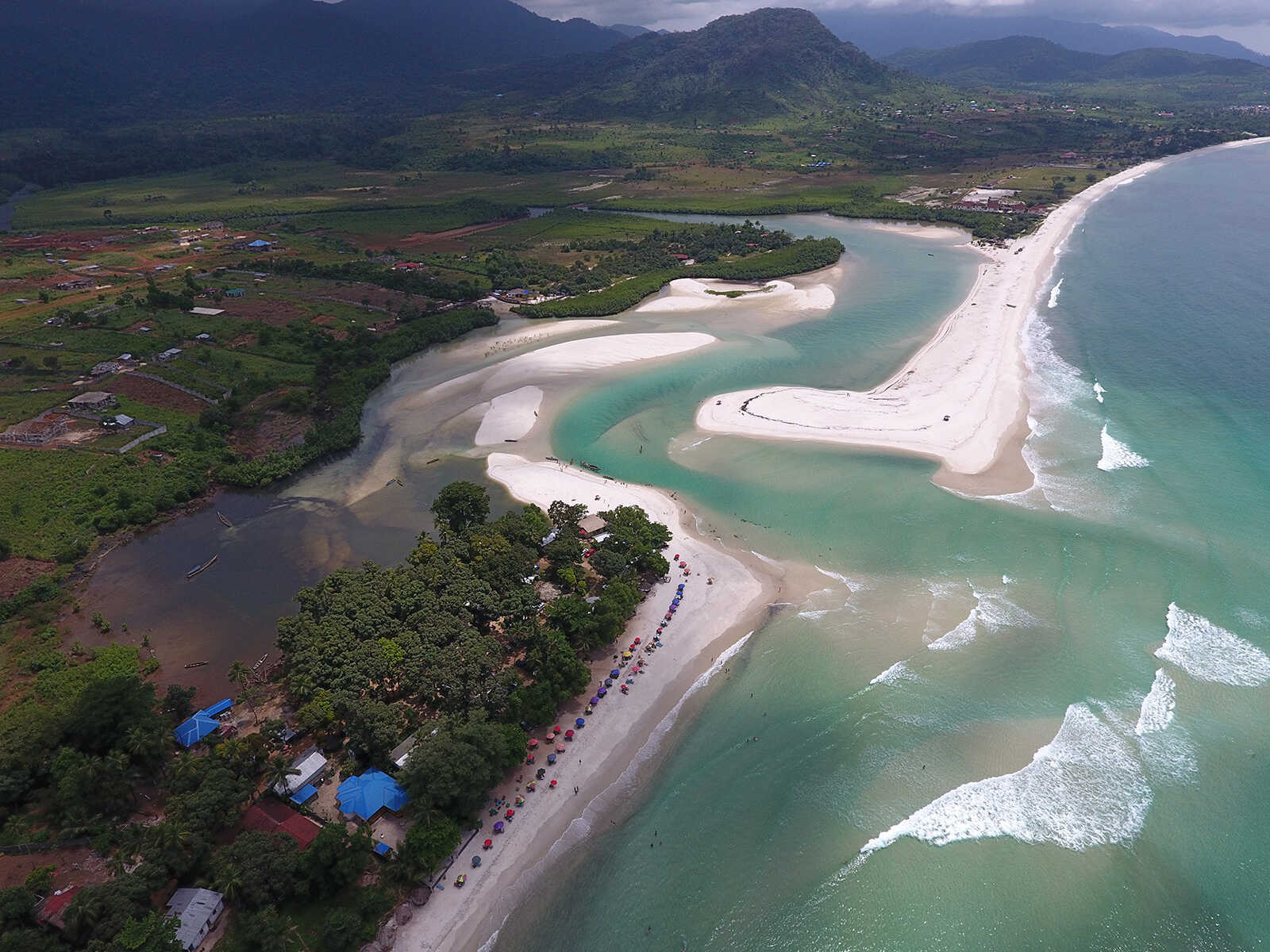
- River No 2 Beach:Often hailed as one of West Africa's most beautiful beaches,River No 2 Beach is a picturesque paradise where a freshwater river meets the Atlantic. It's managed by a local community, ensuring its pristine condition, and offers opportunities for boat rides up the river through mangroves.
- Bureh Beach:A favorite among surfers and those looking for a laid-back vibe,Bureh Beach is home to Sierra Leone's first surf club. It offers surf lessons, board rentals, and rustic beach bungalows, making it perfect for a relaxed day trip or an overnight stay.
- Tokeh Beach:Known for its long stretch of white sand and clear turquoise waters,Tokeh Beach is ideal for swimming and sunbathing. It features some more developed accommodation options and restaurants, providing a comfortable beach experience.
Tacugama Chimpanzee Sanctuary
A must-visit for wildlife enthusiasts, Tacugama Chimpanzee Sanctuary is located just a short drive into the hills surrounding Freetown. This vital conservation project rescues and rehabilitates orphaned and illegally traded chimpanzees, providing them with a safe haven. Guided tours offer a chance to observe these intelligent primates in a semi-wild environment and learn about conservation efforts. It's an educational and heartwarming experience.
Culinary Delights and Local Markets
Freetown's culinary scene is a vibrant reflection of its diverse culture, offering a tantalizing array of flavors, from spicy street food to fresh seafood.
Taste Local Flavors
Don't leave Freetown without sampling some traditional Sierra Leonean dishes. Look out forplasas(stew made with leafy greens, meat or fish, and palm oil, often served with rice), groundnut stew, and freshly grilled fish. Street food vendors offer quick and delicious snacks like fried plantains, cassava bread, and savory pastries. For a more formal meal, numerous restaurants around Lumley Beach and in Aberdeen offer both local and international cuisine.
Explore Bustling Markets
Immerse yourself in the daily life of Freetown by visiting its vibrant markets. The Big Market in downtown Freetown is a sensory overload of colors, sounds, and smells, where you can find everything from fabrics and clothing to handicrafts and household goods. Kroo Town Road Market is another bustling hub, particularly good for fresh produce, spices, and local foodstuffs. Bargaining is expected and part of the experience!
Practical Tips for Visiting Freetown
To ensure a smooth and enjoyable trip, consider these practical tips for navigating Freetown.
- Transportation:Freetown's traffic can be challenging. Taxis are abundant, but agree on a price before starting your journey.Poda-podas(shared minibuses) are a cheaper but more crowded option. For longer distances, consider hiring a private car and driver.
- Safety:Freetown is generally safe, but like any major city, it's wise to be aware of your surroundings, especially after dark. Avoid walking alone at night and keep valuables out of sight.
- Best Time to Visit:The dry season (November to May) is ideal for visiting, with sunny days perfect for exploring and enjoying the beaches. The rainy season (June to October) can bring heavy downpours, affecting travel and outdoor activities.
- What to Pack:Lightweight, breathable clothing is essential due to the tropical climate. Bring insect repellent, sunscreen, a wide-brimmed hat, and comfortable walking shoes. A waterproof jacket might be useful even during the dry season for occasional showers.
- Currency:The local currency is the Leone (SLL). ATMs are available in major areas, but it's always good to carry some local cash for smaller purchases and market visits.
Conclusion
Freetown is a city of remarkable contrasts and profound experiences. From its poignant historical sites and the iconic Cotton Tree to the lively shores of Lumley Beach and the serene beauty of nearby coastal gems like River No 2 Beach and Bureh Beach, the capital of Sierra Leone offers a journey rich in discovery. Embrace its vibrant culture, savor its delicious cuisine, and connect with its resilient spirit for an truly unforgettable West African adventure.