
The Cotton Tree Freetown: History and Significance for Visitors
Standing majestically in the heart of Sierra Leone's capital, Freetown, The Cotton Tree is far more than just an ancient baobab; it's a living monument, a silent witness to centuries of history, and an enduring symbol of freedom and resilience. For any visitor to Freetown, understanding the profound story of this iconic tree is essential to grasping the soul of the city and the nation.
A Living Legend: The Story of The Cotton Tree
The history of The Cotton Tree is deeply intertwined with the very founding of Freetown. Its story begins in the late 18th century, a period of immense change and hope for enslaved Africans seeking a new life.
Roots in Freedom: The Tree's Founding Myth
The most compelling legend surrounding The Cotton Tree dates back to 1792. It is said that a group of freed African Americans, known as the Nova Scotian Settlers, arrived by ship from North America, having fought for the British during the American Revolutionary War and been promised freedom and land. Upon disembarking and establishing what would become Freetown, they gathered under this enormous cotton tree to offer prayers of thanksgiving for their liberation and safe arrival.
"The Nova Scotian Settlers, having endured immense hardship, found solace and hope under the shade of The Cotton Tree, marking it as the spiritual birthplace of Freetown."
This act of prayer and gratitude under its branches cemented the tree's place in the nation's foundational narrative, symbolizing new beginnings and the promise of a free society.
A Witness to History: From Colony to Capital
From that pivotal moment,The Cotton Tree has stood as a silent observer to almost every significant event in Sierra Leonean history. It watched as Freetown grew from a small settlement into a bustling colonial capital, a hub for trade and the repatriation of freed slaves from across the Atlantic. Its branches have sheltered generations of market vendors, storytellers, and political activists.
- Colonial Era:The tree served as a natural meeting point, a place for public announcements, and a central landmark for navigation within the growing city.
- Independence:In 1961, as Sierra Leone gained independence from British rule, the area around The Cotton Tree once again became a focal point for celebration and national pride.
- Civil War and Recovery:Even during the brutal civil war (1991-2002), the tree remained standing, a testament to resilience amidst turmoil. Its survival became a powerful metaphor for the nation's ability to overcome adversity and rebuild.
More Than Just a Tree: Its Significance Today
Today,The Cotton Tree continues to hold immense cultural, historical, and spiritual significance for the people of Sierra Leone. It's not merely an old tree; it's an intrinsic part of the national identity.
A Symbol of Resilience and Hope
For many Sierra Leoneans,The Cotton Tree embodies the nation's enduring spirit. Its ability to withstand centuries, including the ravages of conflict, makes it a potent symbol of strength, perseverance, and the constant hope for a brighter future. It reminds citizens of their rich heritage and the journey towards freedom and self-determination.
A Meeting Point and Cultural Hub
In modern Freetown, the area surrounding The Cotton Tree remains a vibrant and bustling hub. It's a natural meeting point for locals, a landmark for directions, and a place where daily life unfolds. You'll often see vendors, commuters, and people simply enjoying the shade, demonstrating its continued role as a focal point for community interaction.
The Heart of Freetown's Identity
No visit to Freetown is complete without experiencing the presence of The Cotton Tree. It's featured on local currency, stamps, and is a source of immense national pride. It truly is the historical and geographical heart of the city, a place where past and present converge.
Visiting The Cotton Tree: What to Expect
For visitors, approaching The Cotton Tree is an awe-inspiring experience. Its sheer size and age command respect, and the bustling activity around its base offers a fascinating glimpse into Freetown's daily rhythm.
Location and Accessibility
The Cotton Tree is centrally located in downtown Freetown, making it easily accessible from most parts of the city. It stands prominently in a roundabout, adjacent to significant government buildings like the Parliament House and the Law Courts. You can reach it by taxi, shared minivan (poda-poda), or even by walking if you're staying nearby.
Nearby Attractions
While visiting The Cotton Tree, take the opportunity to explore the surrounding area:
- National Museum:A short walk away, the Sierra Leone National Museum offers a deeper dive into the nation's history, culture, and art.
- King Jimmy Market:Immerse yourself in the vibrant chaos of one of Freetown's oldest and most dynamic markets, offering everything from fresh produce to crafts.
- St. George's Cathedral:An impressive colonial-era Anglican cathedral, offering architectural beauty and historical significance.
- Government Wharf:See the bustling port activity and perhaps catch a ferry to other parts of the Freetown Peninsula.
Best Time to Visit
The area around The Cotton Tree is busy throughout the day. Visiting in the late afternoon often offers a pleasant atmosphere as the heat of the day subsides and people gather. Be mindful of traffic during peak hours. The dry season (November to May) generally offers the most comfortable weather for exploring Freetown on foot.
Preserving a National Treasure
As an irreplaceable national monument, efforts are continuously made to preserve The Cotton Tree. However, its age and urban environment present challenges. The tree is regularly monitored for its health and stability, ensuring that future generations can continue to marvel at its grandeur and appreciate its profound historical weight.
"In 2023, a significant portion of The Cotton Tree tragically fell due to a heavy storm, highlighting the vulnerability of this ancient landmark and prompting renewed calls for its preservation and symbolic renewal."
Despite this natural event, the spirit and symbolism of The Cotton Tree remain deeply rooted in the heart of Freetown and Sierra Leone.
Beyond the Tree: Exploring Freetown and Sierra Leone
After immersing yourself in Freetown's rich history and the symbolic power of The Cotton Tree, consider venturing out to explore the broader beauty of Sierra Leone. The country boasts some of West Africa's most pristine beaches and lush landscapes.
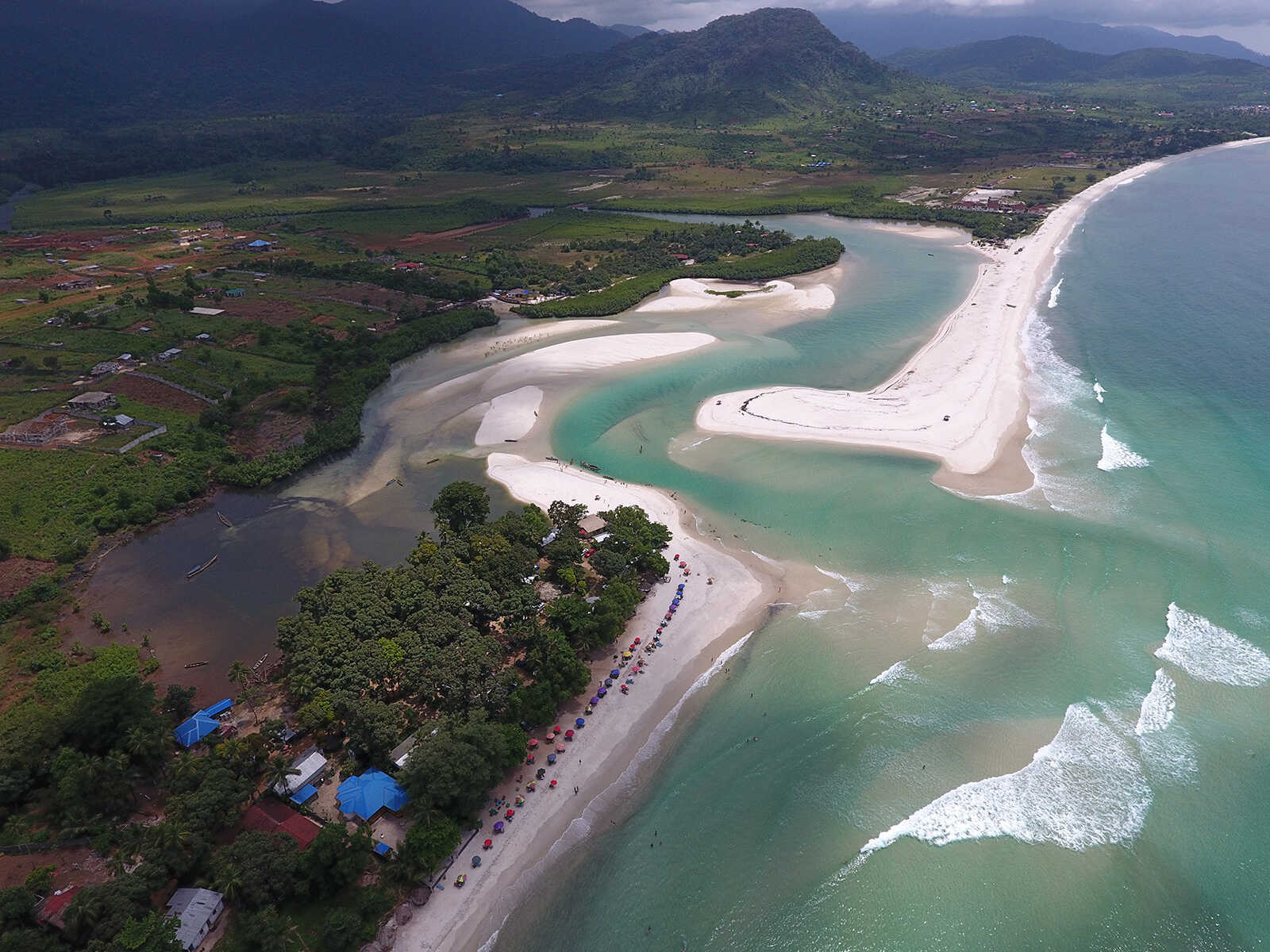
You might want to relax on the golden sands of Bureh Beach, famous for its surfing opportunities and laid-back vibe. Or perhaps discover the idyllic charm of River No 2 Beach, often lauded as one of the most beautiful beaches in the region, known for its picturesque estuary and community-run tourism initiatives. Further down the peninsula,Tokeh Beach offers a more upscale experience with its stunning coastline and resorts. Each of these destinations provides a unique slice of Sierra Leonean paradise, complementing your historical journey through Freetown.
The Cotton Tree is more than just an old growth; it is the beating heart of Freetown, a guardian of memory, and a beacon of resilience for Sierra Leone. Its story is a powerful narrative of freedom, struggle, and enduring hope, making it an unmissable stop for any traveler seeking to understand the soul of this remarkable West African nation.