
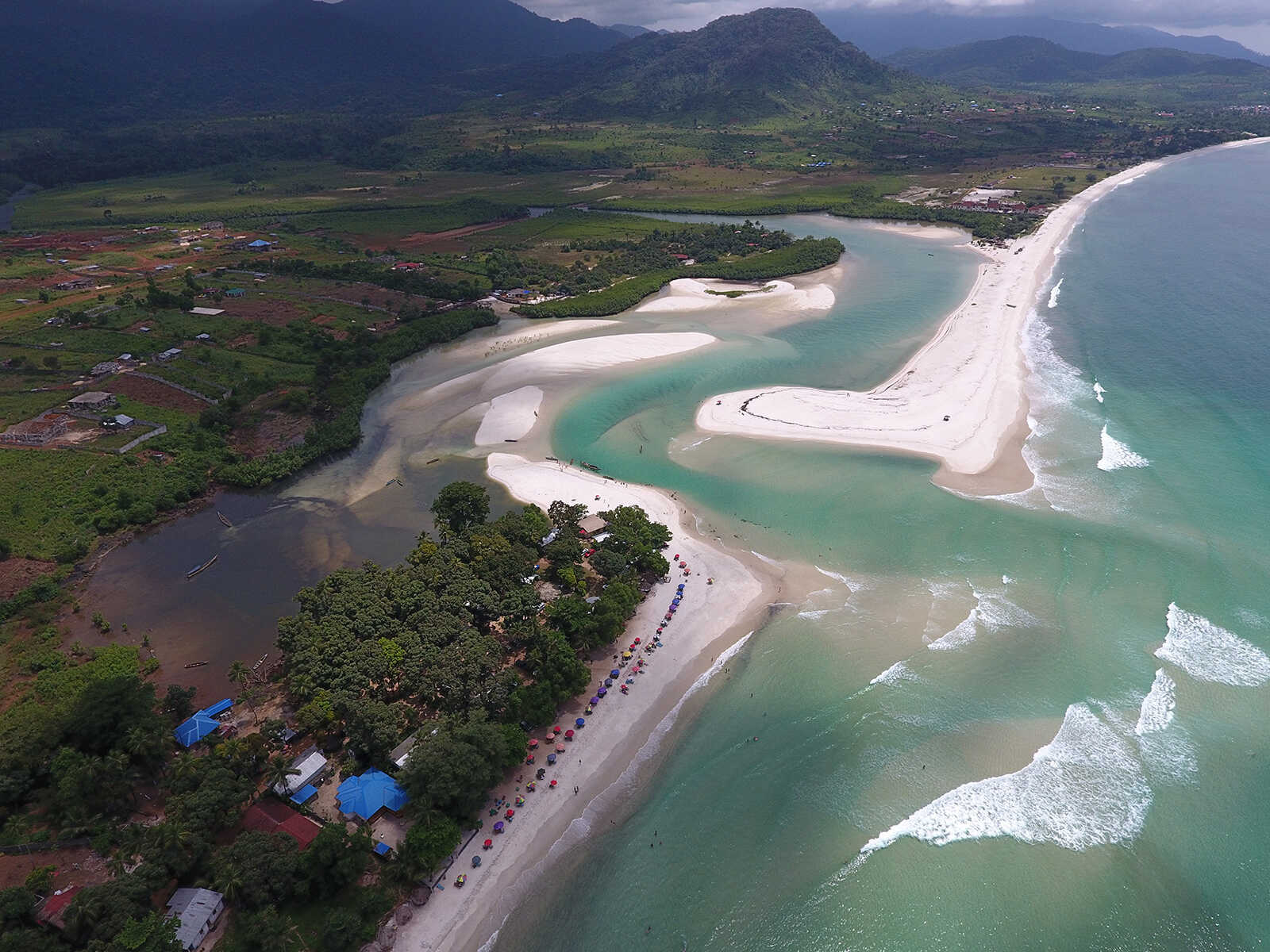
Responsible Tourism in Sierra Leone: How to Travel Sustainably
Sierra Leone, a West African gem emerging onto the global tourism stage, captivates visitors with its stunning coastline, vibrant culture, and lush rainforests. As this beautiful nation opens its arms to more travelers, embracing responsible tourism practices becomes paramount to preserving its natural wonders and empowering its communities.
Traveling sustainably means ensuring your visit leaves a positive impact, both environmentally and socially. It's about respecting the local culture, supporting the economy directly, and minimizing your ecological footprint. For Sierra Leone, a country still rebuilding and developing, every conscious choice by a traveler can contribute significantly to its sustainable growth.
Why Responsible Tourism Matters in Sierra Leone
Sierra Leone's recent history, marked by civil conflict and the Ebola crisis, has meant a slower development of its tourism infrastructure compared to some neighbors. This presents a unique opportunity for tourism to be a force for good, directly contributing to economic recovery, job creation, and the conservation of its rich biodiversity. From the bustling markets of Freetown to the serene beaches of the Peninsula, the potential for impactful travel is immense.
The country boasts incredible natural assets, including critical ecosystems like mangrove forests, pristine beaches, and diverse wildlife. Unchecked tourism can easily degrade these environments. By choosing to travel responsibly, visitors help protect these invaluable resources for future generations of both locals and travelers.
Did you know?Sierra Leone is home to a significant population of chimpanzees, including the critically endangered Western Chimpanzee. Responsible tourism helps fund conservation efforts for these magnificent primates.
Pillars of Sustainable Travel in Sierra Leone
To truly travel sustainably in Sierra Leone, consider these fundamental principles that guide every interaction and decision during your trip.
Support Local Economies
One of the most direct ways to ensure your travel benefits Sierra Leoneans is by keeping your money within the local economy. This means choosing local over international chains wherever possible.
- Accommodation:Opt for guesthouses, eco-lodges, and hotels that are locally owned and employ local staff. This ensures profits directly benefit the community.
- Food & Drink:Savor authentic Sierra Leonean cuisine at local restaurants, street food stalls, and village eateries. Visit local markets to buy fresh produce and support small vendors. This not only offers a richer cultural experience but also provides direct income to farmers and small businesses.
- Goods & Services:Purchase souvenirs and crafts directly from artisans or local cooperatives. When exploring, hire local guides who possess invaluable knowledge of their area – whether it's navigating the bustling streets of Freetown or trekking through a forest reserve. For example, local guides can enhance your visit to historical sites like the Cotton Tree.
Environmental Conservation
Sierra Leone’s natural beauty is its greatest asset. Protecting it is a shared responsibility.
- Minimize Waste:Avoid single-use plastics by carrying a reusable water bottle and shopping bag. Dispose of your waste responsibly, and if bins are scarce, carry your rubbish until you find an appropriate disposal point.
- Conserve Resources:Be mindful of your water and electricity consumption, especially in areas where these resources are limited. Turn off lights and air conditioning when leaving your room.
- Respect Wildlife:Observe wildlife from a distance and never disturb their natural habitats. Do not purchase products made from endangered species. When visiting coastal areas like Bureh Beach or River No 2 Beach, be mindful of marine life and nesting areas.
- Support Eco-Initiatives:Choose tour operators and accommodations that actively engage in environmental protection, such as beach clean-ups or reforestation projects.
Cultural Sensitivity & Respect
Engaging respectfully with Sierra Leonean culture enhances your experience and demonstrates genuine appreciation.
- Learn Basic Krio:A few phrases like "Una kushe" (hello everyone) or "Tenki" (thank you) go a long way in showing respect and building connections.
- Dress Modestly:While attire can be relaxed on the beaches, away from the coast, particularly in rural areas or religious sites, modest clothing is appreciated. Cover shoulders and knees.
- Ask for Permission:Always ask before taking photos of people, especially children. A simple gesture or "please can I take your photo?" shows respect.
- Understand Local Customs:Be open to learning about local traditions and etiquette. For example, greeting elders with respect is highly valued.
Ethical Interactions & Community Engagement
Your interactions with local communities can have lasting impacts.
- Avoid Direct Gifting to Children:While well-intentioned, giving money or sweets directly to children can encourage begging and deter them from school. Instead, consider donating to reputable local charities or community projects focused on education and health.
- Choose Responsible Tour Operators:Look for companies that prioritize fair wages, safe working conditions for their employees, and contribute a portion of their profits back into local communities.
- Engage Respectfully:Be open to conversations, share stories, and learn from locals. Your curiosity and genuine interest are often highly appreciated.
Practical Tips for Your Sustainable Sierra Leone Journey
Before You Go
Preparation is key to a responsible trip.
- Research:Familiarize yourself with Sierra Leone's history, culture, and current events. Understanding the context of the places you visit, such as the vibrant community around Tokeh Beach, enhances your experience.
- Pack Smart:Bring a reusable water bottle, a cloth shopping bag, reef-safe sunscreen, and appropriate modest clothing. Consider packing a solar charger for your devices.
- Health Precautions:Consult your doctor about necessary vaccinations and malaria prophylaxis. A healthy traveler is a less burdensome traveler.
During Your Trip
Once you're on the ground, continue to make conscious choices.
- Transportation:Utilize local transport options like poda-podas (shared minibuses) or kekes (motorized tricycles) for a more authentic and lower-carbon footprint experience, though private taxis are available for longer distances.
- Water:Invest in a water filter bottle or purification tablets to avoid buying bottled water. If bottled water is your only option, ensure you dispose of the plastic responsibly.
- Eating Locally:Embrace the delicious local cuisine. From fresh seafood on the beaches to hearty stews in the towns, eating local supports small businesses and reduces food miles.
- Support Conservation Efforts:If visiting wildlife sanctuaries or national parks (e.g., Tacugama Chimpanzee Sanctuary), your entrance fees directly contribute to their conservation work.
Sierra Leone offers an unparalleled adventure for those willing to explore beyond the well-trodden paths. By committing to responsible tourism, you not only ensure your trip is enriching and authentic but also contribute meaningfully to the well-being of its people and the preservation of its extraordinary natural heritage. Your journey can be a powerful force for positive change in this resilient and beautiful nation.