
Is Sierra Leone Safe for Tourists? Your Guide to a Secure Trip
Often overlooked, Sierra Leone is a West African gem brimming with pristine beaches, vibrant culture, and incredibly warm-hearted people. For many potential visitors, the question of safety naturally arises, given its past. This guide aims to provide a comprehensive, factual overview to help you plan a secure and unforgettable journey to this resilient nation.
Sierra Leone has made remarkable strides in stability and development since its civil war ended over two decades ago and its successful recovery from the Ebola crisis. Today, it is a peaceful, democratic country actively rebuilding its tourism sector and welcoming visitors with open arms. While no travel destination is entirely risk-free, understanding the local context and taking sensible precautions can ensure a rewarding experience.
Understanding the Current Safety Landscape
Modern Sierra Leone is a far cry from its past. The country enjoys significant political stability, and its people are known for their hospitality and resilience. Violent crime against tourists is rare, with most incidents involving petty theft or opportunistic scams, similar to many emerging tourist destinations globally. The government and local communities are invested in fostering a safe environment for visitors, recognizing the immense potential of tourism for economic growth.
Common Concerns and Practical Precautions
While serious crime is uncommon, being aware of potential minor issues and how to mitigate them is key to a stress-free trip.
Petty Theft and Pickpocketing
As in any urban or crowded area worldwide, petty theft can occur, particularly in busy markets, bus stations, or tourist hotspots in Freetown.
- Be Vigilant:Always be aware of your surroundings, especially in crowded places.
- Secure Valuables:Keep passports, large sums of cash, and expensive electronics in a secure, concealed place. Consider a money belt or a secure travel bag.
- Avoid Ostentation:Don't display large amounts of cash or expensive jewelry and gadgets unnecessarily.
- Nighttime Caution:Avoid walking alone in dimly lit or unfamiliar areas at night.
Scams and Hustlers
Tourists, especially those new to the country, might encounter individuals attempting to overcharge for services or engage in various scams.
- Agree on Prices:Always agree on a price for goods or services (e.g., taxi fares, market purchases) before engaging. Bargaining is common and expected in markets.
- Be Wary of "Free" Offers:Be cautious of overly friendly strangers offering unsolicited help or "free" tours, as they often expect payment afterward.
- Use Reputable Operators:For tours and excursions, book through established hotels or trusted local tour operators.
Traveler Tip:Learning a few basic phrases in Krio, the widely spoken local lingua franca, like "Una kusheh" (hello everyone) or "Kusheh" (hello), can go a long way in building rapport and enhancing your interactions with locals.
Transportation Safety
Road conditions outside major cities can be challenging, and driving standards may differ from what you're used to.
- Taxis:In Freetown, licensed taxis are generally safe. Always negotiate the fare before starting your journey. Shared taxis (Poda-podas) are common but can be crowded.
- Okadas (Motorbike Taxis):While ubiquitous and sometimes the quickest way to navigate traffic, okadas carry higher risks due to traffic conditions. If you choose to use them, always insist on a helmet and negotiate the fare beforehand.
- Private Drivers:For longer journeys or added comfort, consider hiring a private driver through your hotel or a reputable travel agency.
- Road Travel:Avoid inter-city road travel at night due to poor lighting and road conditions.
Health and Wellness
Health precautions are paramount for any trip to West Africa.
- Vaccinations:Consult your doctor well in advance for recommended vaccinations (e.g., Yellow Fever – mandatory for entry, Typhoid, Hepatitis A&B) and malaria prophylaxis.
- Malaria Prevention:Sierra Leone is a malaria-risk area. Take anti-malaria medication as prescribed, use insect repellent containing DEET, wear long sleeves and trousers at dusk, and sleep under a mosquito net.
- Food and Water:Drink only bottled or purified water. Be cautious with street food; opt for freshly cooked, hot meals. Peel fruit yourself and avoid salads washed in tap water.
- Medical Facilities:Medical facilities, particularly outside Freetown, are limited. Ensure you have comprehensive travel insurance that covers medical evacuation.
Navigating Sierra Leone's Stunning Beaches
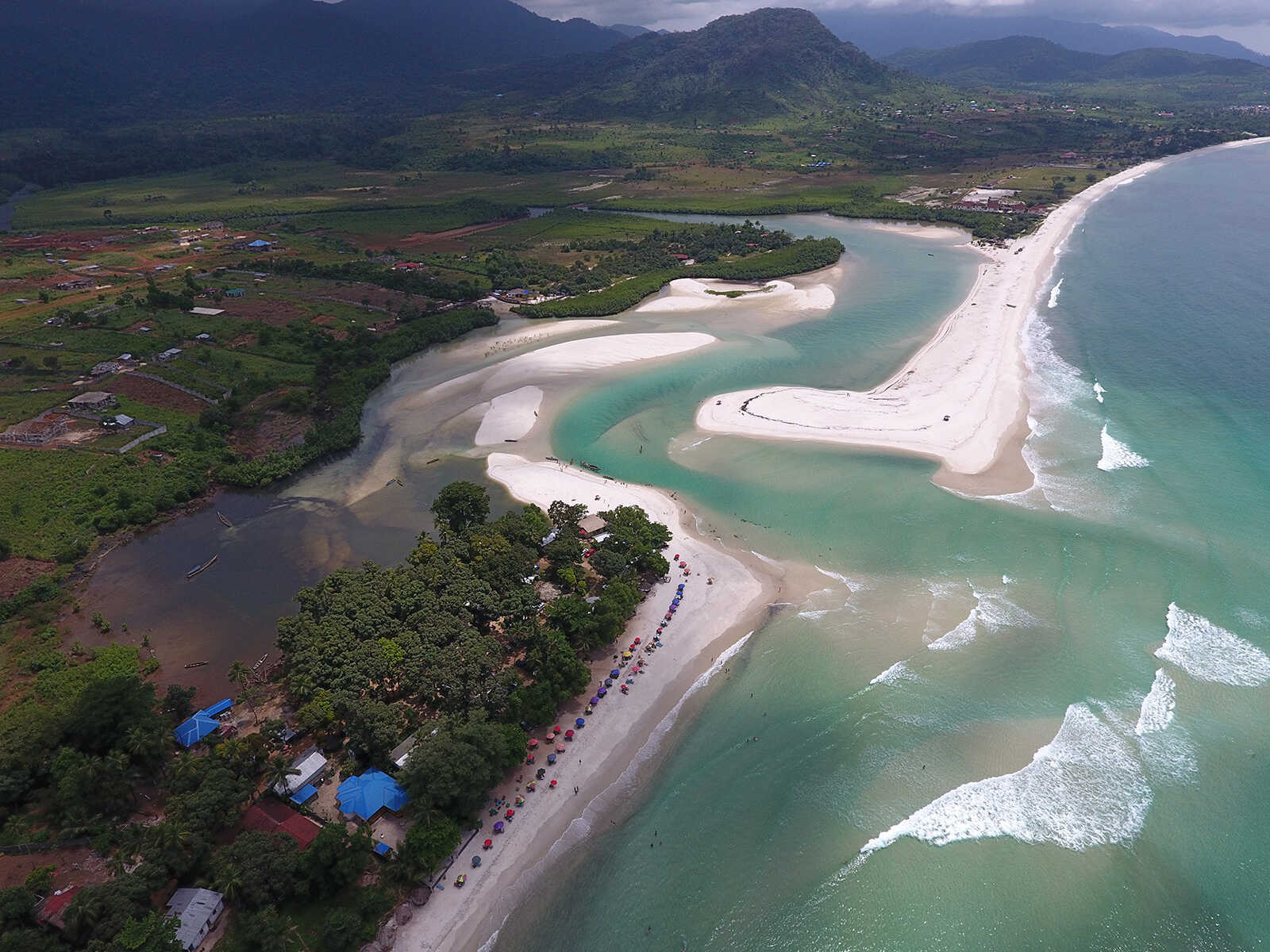
Sierra Leone boasts some of West Africa's most breathtaking beaches, from the lively shores of Bureh Beach to the serene beauty of River No 2 Beach and the growing popularity of Tokeh Beach. While generally safe, basic precautions apply:
- Strong Currents:Some beaches can have strong undertows. Always observe local warnings and only swim in designated or clearly safe areas. If in doubt, don't swim too far out.
- Sun Protection:The equatorial sun is intense. Use high-SPF sunscreen, wear a hat, and seek shade during peak hours.
- Personal Belongings:Don't leave valuables unattended on the beach.
Cultural Sensitivity and Etiquette
Respecting local customs not only enhances your experience but also contributes to your safety by fostering positive interactions.
- Dress Modestly:While attire is generally relaxed, particularly on the beaches, modest dress is appreciated, especially when visiting religious sites or rural communities.
- Ask Permission for Photos:Always ask permission before photographing people, especially children.
- Greetings:A handshake and a friendly greeting are customary. Inquire about people's well-being before diving into conversation.
- Bargaining:In markets, bargaining is expected and part of the cultural experience. Do so politely and with a smile.
Essential Travel Tips for a Secure Trip
- Travel Insurance:This is non-negotiable. Ensure your policy covers emergency medical treatment, evacuation, and trip cancellations.
- Keep Copies of Documents:Store digital and physical copies of your passport, visa, flight tickets, and insurance details separately from the originals.
- Register Your Trip:Inform your country's embassy or consulate in Freetown of your travel plans.
- Stay Informed:Monitor local news and your government's travel advisories for Sierra Leone.
- Local Contacts:Keep a list of important local contacts, including your embassy, hotel, and local guide's number.
- Trust Your Instincts:If a situation feels unsafe or uncomfortable, remove yourself from it.
- Hire Local Guides:Engaging local guides not only enriches your experience but also supports the local economy and provides an invaluable layer of safety and insight. They know the local nuances and can navigate situations effectively.
Why Visit Sierra Leone Now?
Sierra Leone is truly an emerging destination, offering authentic experiences away from mass tourism. Its incredible natural beauty, from the lush rainforests to the stunning coastline, is matched only by the warmth of its people. Iconic landmarks like the historic Cotton Tree in Freetown stand as symbols of resilience and history. By visiting now, you contribute directly to a nation rebuilding and striving for a brighter future through sustainable tourism.
Conclusion
Is Sierra Leone safe for tourists? The answer is a resounding yes, provided you travel with common sense, respect local customs, and take standard precautions. This incredible country offers a unique and profoundly rewarding travel experience, allowing you to witness its vibrant culture, stunning landscapes, and the indomitable spirit of its people. With thoughtful preparation, your trip to Sierra Leone will undoubtedly be a secure, enriching, and unforgettable adventure.