
Getting Around Sierra Leone: Transportation Tips for Travelers
Navigating Sierra Leone offers a unique blend of adventure and local immersion, with a diverse range of transportation options to suit every traveler's journey. From bustling city streets to serene coastal routes, understanding the local transport landscape is key to a rewarding experience.
Sierra Leone's transport network is vibrant, often an experience in itself. While it might differ from what you're accustomed to, embracing the local way of getting around provides genuine insights into daily life. Patience and a sense of adventure are your best companions for a smooth journey.
Navigating Freetown and Urban Centers
The capital city of Freetown is a hub of activity, and its transportation reflects this energy. Getting around here is an exciting mix of options.
Taxis: The Ubiquitous Ride
Taxis are the most common form of urban transport. You'll find two main types:
- Shared Taxis (Poda-podas):These are usually older cars that pick up multiple passengers heading in the same general direction. They are the most affordable option for short distances within the city. Be prepared for a cozy ride and learn to call out your destination clearly.
- Private Taxis:For more comfort and direct routes, you can hire a taxi privately. Always negotiate the fare before you start your journey. This is ideal for specific destinations or when traveling with luggage, offering more personal space.
Motorbikes (Okadas)
For quick trips through traffic or to reach less accessible areas, motorbikes, locally known asOkadas, are a popular choice. They are fast and can weave through congestion efficiently. While convenient, always prioritize safety: ensure the driver seems competent and wear a helmet if one is offered or available. Okadas are particularly prevalent in smaller towns and rural areas, offering a flexible way to explore.
Kekes (Tuk-tuks)
These three-wheeled motorized rickshaws have become increasingly popular in Freetown and other towns. Kekes offer a balance between the speed of an Okada and the relative comfort of a shared taxi. They are good for short to medium distances and can carry a few passengers, making them suitable for small groups or families. Like taxis, negotiate your fare before boarding.
Walking in Freetown
While often hot and hilly, walking can be a great way to explore specific neighborhoods of Freetown, such as around the historic Cotton Tree or local markets. Always be aware of your surroundings, especially in crowded areas, and stay hydrated. Walking allows you to truly soak in the city's atmosphere and discover hidden gems.
Inter-City and Long-Distance Travel
When venturing beyond the capital, different modes of transport come into play, connecting you to Sierra Leone's diverse landscapes and communities.
Bush Taxis and Shared Vehicles
For travel between towns and cities, bush taxis or shared vehicles are the backbone of long-distance transport. These are typically larger cars or minivans that depart once full. Destinations can range from major cities to smaller villages. Expect journeys to be long, potentially dusty, and often an excellent opportunity to interact with locals. It's advisable to start your journey early in the day as vehicles fill up faster and travel conditions are better.
Buses
Limited long-distance bus services operate between major cities. These tend to be more comfortable than bush taxis for extended journeys but might not serve as many routes. Inquire locally about routes and schedules at major transport hubs. Buses can be a good option for a less crowded experience on longer hauls.
Boats and Ferries: Coastal and Riverine Adventures
Sierra Leone's coastline and numerous rivers mean that water transport is an essential part of getting around, especially for reaching islands or coastal communities.
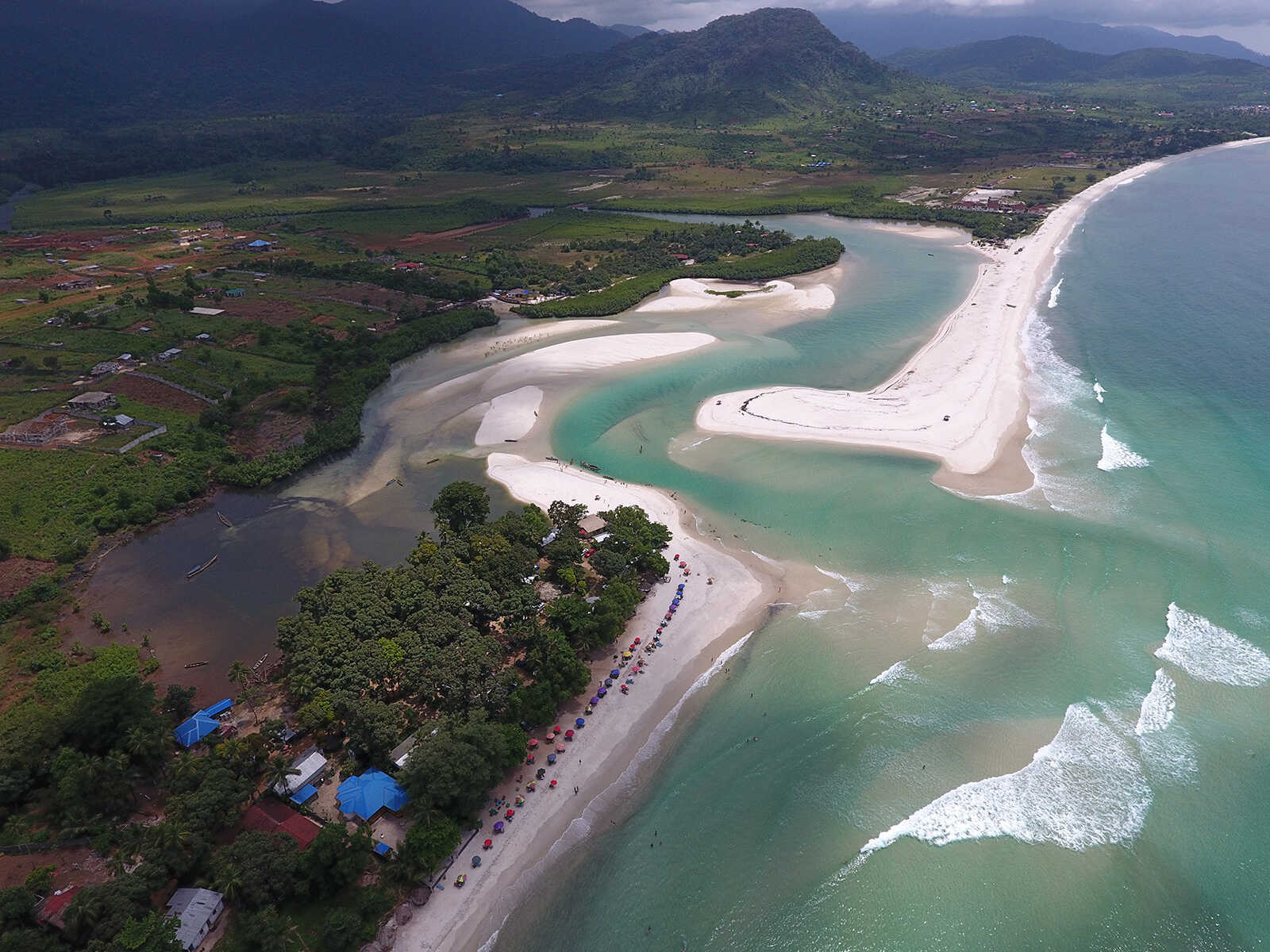
"Exploring Sierra Leone's pristine beaches often involves a scenic boat ride. From Freetown, you can easily access stunning locations like River No 2 Beach,Bureh Beach, and Tokeh Beach via water taxi or local fishing boats, offering breathtaking views of the Atlantic."
The most common use of ferries for travelers is between Freetown and Lungi International Airport. Options include larger passenger ferries, private speedboats, or local water taxis. Ensure you choose a reputable operator, especially for speedboats, and always wear a life jacket. For trips to the beautiful beaches of the Freetown Peninsula, such as River No 2 Beach,Bureh Beach, or Tokeh Beach, local boats or water taxis can provide a picturesque journey along the coast, often revealing stunning scenery inaccessible by road.
Domestic Flights
While not extensive, domestic flights are an option for quickly covering long distances, particularly between Lungi International Airport and other regional airstrips. These are typically chartered or small scheduled flights and can be a significant time-saver, though they are a more expensive option. They are most suitable for those with limited time or specific remote destinations.
Essential Transportation Tips for Travelers
Road Conditions
Road conditions vary significantly across Sierra Leone. Main roads connecting major cities are generally paved, though potholes are common and can make for bumpy rides. Rural roads can be unpaved, rough, and challenging, especially during the rainy season (May to November) when they may become muddy or even impassable. Factor this into your travel times and expectations, as journeys can take longer than anticipated.
Safety and Security
- Negotiate Fares:Always agree on a fare before starting your journey, especially for private taxis or Okadas. This prevents misunderstandings upon arrival.
- Night Travel:Avoid long-distance travel at night due to poor road conditions, limited visibility, and increased safety risks. Within cities, use reputable taxis recommended by your accommodation.
- Valuables:Keep valuables secure and out of sight. Be mindful in crowded public transport and market areas, and consider carrying a day bag rather than an overt backpack.
- Driver Competence:If hiring a private driver, ensure they are experienced, have a valid license, and drive safely. Don't hesitate to speak up if you feel uncomfortable.
Hiring a Private Driver or Car Rental
For ultimate flexibility and comfort, especially if traveling in a group or exploring multiple remote locations, hiring a private driver with a vehicle is a popular choice. This offers convenience, local expertise, and often a safer travel experience. Your driver can also act as an unofficial guide, sharing insights into the local culture. Self-drive car rentals are available but generally not recommended due to challenging road conditions, unfamiliar traffic laws, and potential language barriers. If you opt for self-drive, ensure you have comprehensive insurance and an international driving permit, and be prepared for adventurous driving conditions.
Embrace the Local Experience
Transportation in Sierra Leone is more than just getting from point A to point B; it's an integral part of the travel experience. Be open to conversations with fellow passengers, observe daily life unfolding, and appreciate the unique rhythms of the country. A friendly demeanor and a willingness to engage will often lead to memorable interactions and a deeper understanding of Sierra Leonean culture.
Communication is Key
Learning a few basic Krio phrases, such as "Una how di body?" (How are you all?) or "Tenki" (Thank you), can greatly enhance your interactions with drivers and fellow passengers. Most people are friendly and happy to help, and a little effort in Krio goes a long way in building rapport.
Getting around Sierra Leone is an adventure in itself, offering a mosaic of experiences that reflect the country's vibrant culture and stunning landscapes. With these tips, you're well-equipped to navigate its roads and waterways, ensuring a memorable journey through this beautiful West African nation.