
Experience Sierra Leone: Dry Season vs. Rainy Season Travel
Sierra Leone, a gem on West Africa's coast, offers a rich tapestry of culture, history, and breathtaking natural beauty. Deciding when to visit can significantly shape your travel experience, as the country transitions dramatically between its distinct dry and rainy seasons. Understanding these seasonal differences is key to planning an unforgettable adventure.
From the bustling streets of Freetown to its pristine, palm-fringed beaches, Sierra Leone invites exploration. Your choice of travel season will influence everything from road conditions and available activities to the overall atmosphere and photographic opportunities. Let's delve into what each season brings to help you choose the perfect time for your journey.
The Dry Season: Sun-Kissed Adventures (November to May)
The dry season, typically running from November to May, is often considered the prime time for tourists. Characterized by abundant sunshine, lower humidity, and cooler evenings, this period offers ideal conditions for exploring much of what Sierra Leone has to offer.
Climate and Conditions
Expect clear blue skies and warm temperatures, often peaking between March and May. Humidity is significantly lower than in the rainy season, making outdoor activities more comfortable. While the days are hot, evenings can bring a pleasant coolness, especially in coastal areas. However, dust can be a factor, particularly inland, as the ground dries out.
Advantages of Dry Season Travel
- Accessibility:Roads are generally in their best condition, making travel between towns and attractions much smoother. This is crucial for reaching remote beaches or national parks.
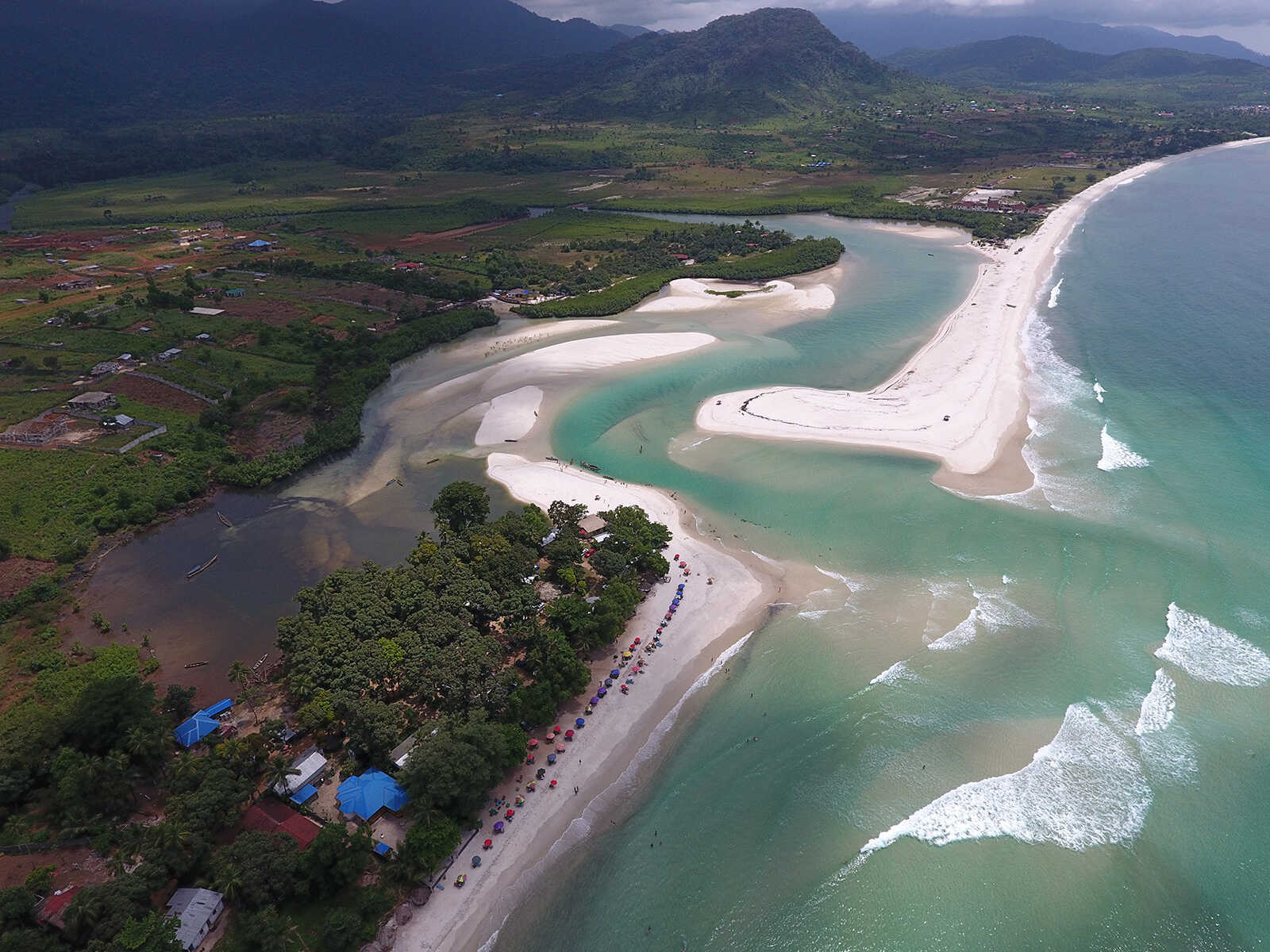
- Beach Perfection:The dry season is synonymous with beach bliss. The Atlantic waters are calm and inviting, perfect for swimming, sunbathing, and water sports. You can easily hop between stunning coastal stretches like Bureh Beach,River No 2 Beach, and Tokeh Beach.
- Wildlife Viewing:With less dense vegetation and animals congregating around fewer water sources, spotting wildlife in national parks and sanctuaries becomes easier.
- Festivals and Events:Many cultural festivals and public events are scheduled during the dry season, taking advantage of the favorable weather.
- Hiking and Exploration:Trails are dry and easily navigable, making it an excellent time for trekking through rainforests or exploring rural villages.
Things to Consider
- Higher Tourist Numbers:While Sierra Leone is not a mass-tourism destination, the dry season does see a relative increase in visitors, especially around popular coastal areas.
- Heat:Towards the end of the dry season (March-May), temperatures can become quite high, requiring careful hydration and sun protection.
- Dust:Inland areas can become dusty, which might be a concern for some travelers, especially those with respiratory sensitivities.
What to Pack for the Dry Season
Lightweight, breathable clothing (cotton or linen), swimwear, a wide-brimmed hat, sunglasses, high-SPF sunscreen, and comfortable sandals or walking shoes are essential. Don't forget a light jacket or long-sleeved shirt for cooler evenings and mosquito protection, especially if venturing away from the coast.
The Rainy Season: Lush Landscapes and Authentic Encounters (May to October)
The rainy season, or "green season," transforms Sierra Leone into a vibrant, verdant paradise. While it presents different travel challenges, it also offers unique rewards for those seeking a more authentic and visually stunning experience.
Climate and Conditions
The rainy season is characterized by heavy downpours, often intense but not always continuous throughout the day. Humidity levels are high, and temperatures are generally cooler than the dry season. The landscape bursts into life, with rivers swelling and waterfalls thundering.
Did you know?The term "Monsoon" in West Africa refers to the seasonal winds that bring the heavy rains, typically from the Atlantic Ocean, creating the region's distinct wet season.
Advantages of Rainy Season Travel
- Lush Greenery:The entire country is incredibly green and vibrant, offering spectacular photographic opportunities of verdant forests and rejuvenated landscapes.
- Fewer Crowds:With fewer tourists, you're likely to have a more personal and intimate experience, interacting more closely with local communities and enjoying attractions with greater serenity.
- Waterfalls in Full Flow:Sierra Leone's waterfalls are at their most magnificent during the rainy season, powered by the abundant rainfall.
- Unique Cultural Immersion:The rainy season can be an excellent time to experience daily life and cultural traditions away from peak tourist activity.
- Potential for Better Deals:While not guaranteed, some accommodations and tour operators might offer more competitive rates during the off-peak season.
Things to Consider
- Accessibility Challenges:Roads, particularly unpaved ones, can become muddy, slippery, and sometimes impassable. This can lead to delays or changes in travel plans, especially for those venturing off the main routes.
- Limited Beach Activities:Rougher seas and frequent rain can limit swimming, sunbathing, and water sports. Some beach resorts may also operate on reduced services.
- Mosquitoes:The increased standing water means a higher prevalence of mosquitoes, making robust insect repellent and prophylactic measures crucial.
- Humidity:High humidity can be uncomfortable for some travelers, especially those not accustomed to tropical climates.
What to Pack for the Rainy Season
Waterproof jackets and trousers, sturdy waterproof shoes or boots, quick-drying clothes, insect repellent (with DEET), a waterproof daypack cover, and a portable umbrella are highly recommended. Long-sleeved shirts and trousers will help protect against both rain and mosquitoes.
Choosing Your Season: Key Considerations
The best time to visit Sierra Leone ultimately depends on your priorities and what kind of experience you're seeking.
- For Beach Lovers and Easy Travel:Thedry season(November to May) is your ideal choice. Enjoy pristine beaches, smooth road trips, and reliable sunshine.
- For Nature Enthusiasts and Authentic Experiences:Therainy season(May to October) offers breathtaking green landscapes, fewer tourists, and a chance to witness the country's vibrant ecosystems in full bloom. It requires more flexibility and a spirit of adventure for potential travel delays.
- Cultural Exploration:Both seasons offer opportunities for cultural engagement. In Freetown, landmarks like the historic Cotton Tree are accessible year-round, but specific festivals might align with the dry season.
Essential Tips for Any Season
Regardless of when you travel, a few universal tips will enhance your Sierra Leonean adventure:
- Visa and Vaccinations:Ensure your visa is secured well in advance and that you have all necessary vaccinations, including yellow fever. Malaria prophylaxis is highly recommended year-round.
- Stay Hydrated:Drink plenty of bottled or filtered water, especially in the dry season.
- Respect Local Culture:Dress modestly, especially outside of beach areas, and always ask permission before taking photos of people.
- Flexibility:Embrace the pace of West Africa. Delays can happen, so maintain a flexible attitude.
- Local Currency:Have some local currency (Leones) for small purchases, as card payments are not widely accepted outside major establishments.
Whether you dream of sun-drenched beaches and bustling markets or lush rainforests and serene, uncrowded landscapes, Sierra Leone promises a captivating journey. Both its dry and rainy seasons offer distinct charms and challenges, ensuring that every visit is a unique and memorable experience.