
Beyond the Beaches: Unique Cultural Experiences in Sierra Leone
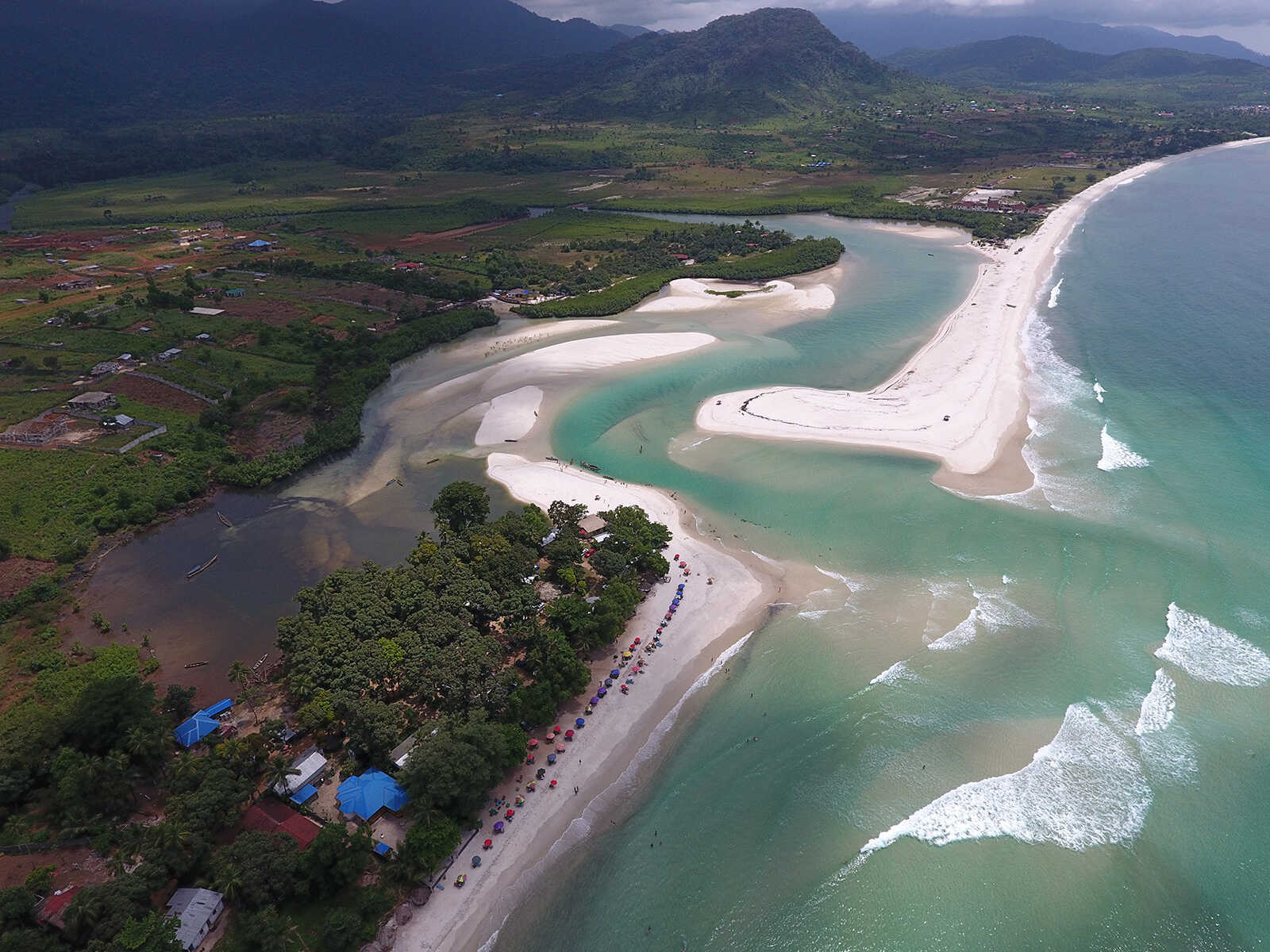
While Sierra Leone's pristine coastlines and stunning beaches like River No 2 Beach and Bureh Beach often steal the spotlight, the true heart of this West African nation lies in its incredibly rich and diverse cultural tapestry. Venturing beyond the sand offers a profound journey into a vibrant history, resilient communities, and deeply rooted traditions.
Sierra Leone, often called "Salone" by locals, is a land shaped by centuries of migration, trade, and the transatlantic slave trade, resulting in a unique fusion of indigenous African customs and Creole influences. From the bustling streets of Freetown to the tranquil villages nestled in the interior, every corner tells a story. Embracing these cultural experiences provides not only a deeper understanding of the country but also unforgettable memories that go far beyond a typical beach holiday.
Freetown: A City of History and Resilience
The capital city, Freetown, is a vibrant melting pot and an essential starting point for any cultural exploration. Founded in 1787 by freed slaves, it carries a profound historical significance that is palpable in its architecture, people, and daily life.
Exploring Krio Heritage
The Krio people, descendants of the freed slaves, have a distinct culture, language (Krio, an English-based Creole), and an architectural legacy. Wander through areas like Aberdeen and Congo Town to see the distinctive wooden Krio houses with their intricate verandas, a unique blend of Caribbean and West African styles. The Cotton Tree, an ancient silk cotton tree in the heart of the city, stands as a powerful symbol of freedom and a meeting point for generations. It's said to be where the original settlers first gathered to give thanks upon their arrival.
Fun Fact:The Krio language is spoken by nearly all Sierra Leoneans as a lingua franca, making it incredibly useful to learn a few basic phrases like"How de body?"(How are you?) or"Tenki"(Thank you).
Bustling Markets and Local Life
No cultural immersion in Freetown is complete without a visit to its vibrant markets. Places like the Big Market or Lumley Market are sensory overloads of colors, sounds, and smells. Here, you can find everything from intricate wood carvings, unique textiles like gara (tie-dye fabric), and traditional medicines to fresh produce and local street food. Engaging with vendors, observing daily commerce, and simply soaking in the atmosphere offers an authentic glimpse into Sierra Leonean life.
Traditional Societies and Ancient Rituals
Beyond the urban centers, Sierra Leone's cultural heartbeat resonates strongly in its traditional societies. The Poro (men's) and Sande (women's) secret societies play a fundamental role in community life, education, and the preservation of customs in many ethnic groups.
The Art of the Bundu Mask
While outsiders are not privy to the inner workings of these societies, their artistic expressions are celebrated. The Sande society, in particular, is renowned for its iconic Bundu masks (also known as Sowei masks). These exquisitely carved wooden helmets, usually black and highly polished, represent the ideal of feminine beauty and are worn during initiation ceremonies and public performances. Observing a performance featuring these masks, if the opportunity arises and is respectfully offered, is a privilege and a profound cultural experience.
Art, Craft, and Music: The Soul of Sierra Leone
Sierra Leoneans express their creativity through a rich array of arts and crafts, deeply intertwined with their history and spirituality.
Handicrafts and Storytelling
Skilled artisans create beautiful pieces ranging from intricate wood carvings depicting ancestors and spirits to practical yet artistic items like woven baskets and pottery. Gara fabric, with its vibrant patterns and colors, is a staple. Each piece often carries cultural significance and tells a story, making them not just souvenirs but tangible pieces of Sierra Leonean heritage.
Rhythmic Beats and Melodies
Music is an integral part of life in Sierra Leone, accompanying everything from daily chores to grand celebrations. Traditional instruments like the balafon (xylophone), talking drum, and various percussion instruments create infectious rhythms. Genres like Gumbe music, with its distinct drumbeats, and Palm Wine music, characterized by acoustic guitars and storytelling lyrics, offer a window into local narratives. Contemporary music, including Afrobeats and local hip-hop, also thrives, reflecting modern Sierra Leonean identity.
Culinary Delights: A Taste of Salone
Food is a cornerstone of culture, and Sierra Leonean cuisine is a delicious journey of flavors, textures, and aromas.
Staples and Specialties
Rice is the undisputed king of the Sierra Leonean plate, often served with a variety of rich, flavorful stews known as "plasas." Popular plasas include cassava leaf, potato leaf, and groundnut (peanut) stew, typically cooked with meat or fish, palm oil, and a blend of aromatic spices. Other must-try dishes include:
- Acheke:A couscous-like dish made from fermented cassava, often served with fried fish.
- Kanyah:A sweet snack made from roasted groundnuts and rice.
- Poyo:Locally brewed palm wine, a refreshing (and sometimes potent) drink often enjoyed socially.
Festivals and Celebrations: Joining the Local Rhythm
Timing your visit with a local festival can offer an unparalleled cultural immersion. Sierra Leoneans love to celebrate, and these events are vibrant displays of community, faith, and tradition.
National and Religious Holidays
Major holidays like Independence Day (April 27th) are marked by parades, music, and widespread festivities. Religious holidays such as Eid al-Fitr, Eid al-Adha (Muslim holidays), and Christmas are celebrated with great enthusiasm, often involving special foods, family gatherings, and community events that showcase the country's harmonious interfaith relations. Observing these celebrations, even from a distance, provides a deep sense of local joy and unity.
Engaging with Communities: Responsible Tourism
To truly experience Sierra Leonean culture, respectful engagement with local communities is key. Many coastal communities, for example, manage their tourism initiatives, offering unique cultural insights while supporting local livelihoods. Places like Bureh Beach and River No 2 Beach are excellent examples where community-led tourism allows visitors to enjoy natural beauty alongside authentic local interaction.
Tips for Meaningful Interaction:
- Ask for Permission:Always ask before taking photos of people, especially children.
- Support Local:Buy crafts directly from artisans, eat at local eateries, and hire local guides.
- Dress Modestly:Especially when visiting villages or religious sites, modest attire shows respect.
- Learn Krio Phrases:Even a few words can open doors and show your appreciation for local culture.
- Be Patient and Open-Minded:Things may operate on "Salone time," and cultural norms might differ from your own. Embrace the differences.
Practical Tips for Cultural Immersion
Venturing into Sierra Leone's cultural heartland requires a bit of preparation and an adventurous spirit. Consider hiring a knowledgeable local guide who can facilitate interactions, explain customs, and ensure your experience is both enriching and respectful. They can lead you to local craft centers, introduce you to village elders, or help you navigate a bustling market, making your journey seamless and insightful.
While the allure of Tokeh Beach's golden sands or the surf at Bureh Beach is undeniable, Sierra Leone offers so much more. Its vibrant culture, rich history, and the warmth of its people provide an authentic and deeply rewarding travel experience. By stepping beyond the conventional, you uncover the true spirit of Salone, a journey that promises to be as enlightening as it is unforgettable.