
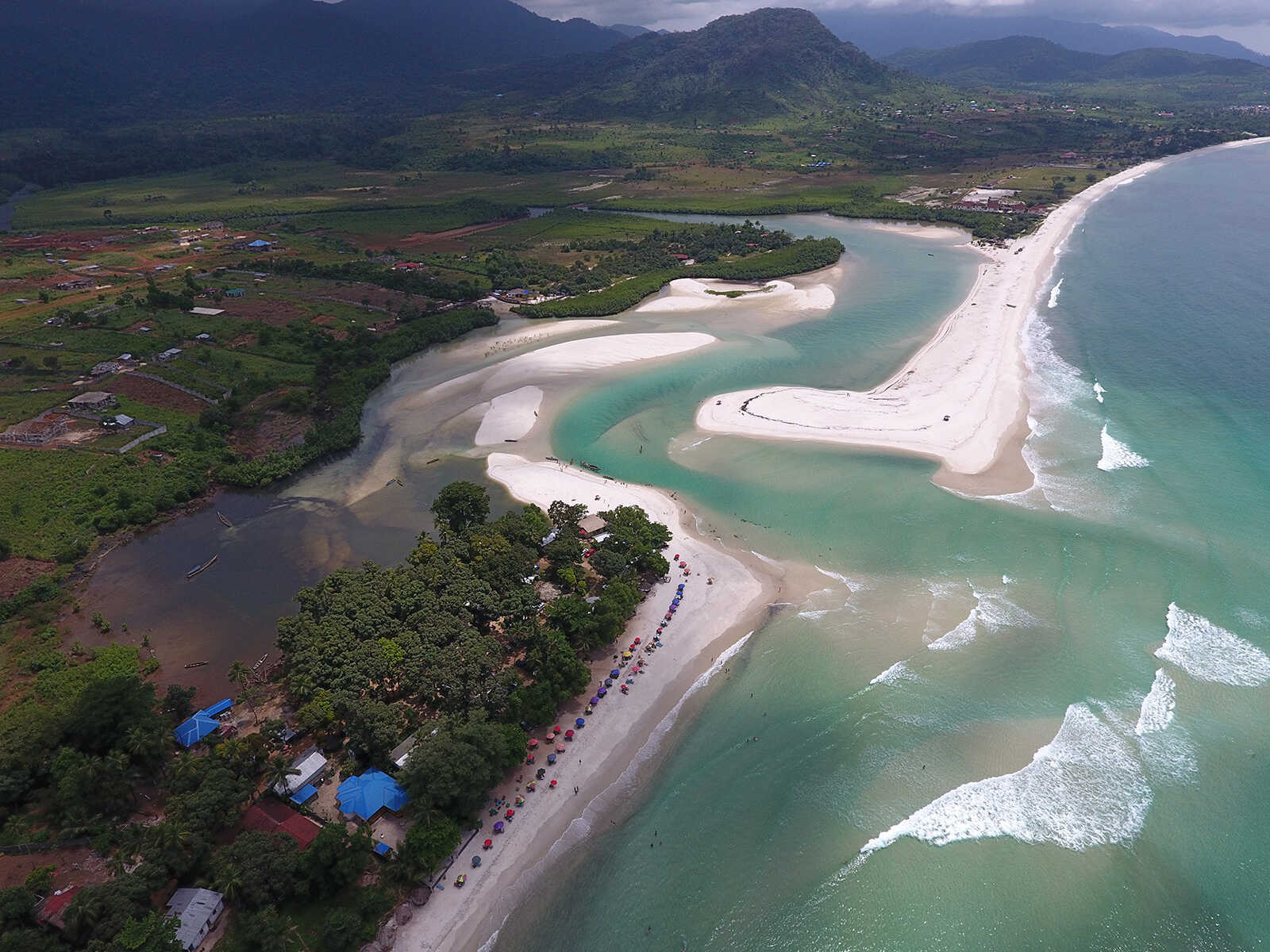
Best Time to Visit Sierra Leone's Pristine Beaches
Sierra Leone, West Africa's hidden gem, boasts some of the most breathtaking and untouched beaches on the continent. With miles of golden sands, swaying palm trees, and the warm Atlantic Ocean, planning your visit around the optimal weather conditions is key to unlocking the full beauty of this coastal paradise. Let's dive into Sierra Leone's distinct seasons to help you choose the perfect time for your beach escape.
Understanding Sierra Leone's Climate: Wet vs. Dry Seasons
Sierra Leone experiences a tropical climate characterized by two primary seasons: the dry season and the wet (or rainy) season. Each brings its own unique charm and considerations for travelers, especially those drawn to the country's stunning coastline.
- The Dry Season:Generally runs fromNovember to May. This period is marked by hot, sunny days, lower humidity, and calm seas, making it the quintessential time for beach holidays.
- The Wet Season:Typically extends fromJune to October. Expect more frequent rainfall, higher humidity, and a landscape that transforms into a vibrant, lush green. While it might sound less appealing for beachgoers, it offers a different, often more authentic, experience.
The Dry Season: The Golden Window (November to May)
For most visitors seeking a classic beach holiday experience, the dry season is undoubtedly the most recommended time. During these months, the weather is consistently sunny, with clear blue skies and minimal rainfall. The ocean waters are typically calm and inviting, perfect for swimming, snorkeling, and boat trips.
Peak Dry Season: December to February
This is when Sierra Leone truly shines for beach lovers. The conditions are at their absolute best: bright sunshine, pleasant temperatures, and very low humidity. This period is ideal for:
- Sunbathing and Relaxation:Endless hours of sunshine on uncrowded shores like River No 2 Beach or the expansive sands of Bureh Beach.
- Water Sports:Perfect for swimming, paddleboarding, and snorkeling in the clear, warm waters.
- Boat Trips and Island Hopping:Calm seas make exploring nearby islands or cruising along the coast a fantastic experience.
While this is the most popular time, you'll still find the beaches wonderfully uncrowded compared to many other global destinations, allowing for a truly serene escape.
Shoulder Dry Season: November & March-May
Visiting during the shoulder months of the dry season offers several advantages. November marks the transition from wet to dry, bringing increasingly sunny days and fewer tourists. Similarly, March to May sees the dry season drawing to a close, with temperatures gradually rising and humidity slowly increasing. These months are excellent for those looking to avoid the slightly busier peak period while still enjoying superb beach weather.
You might find better deals on accommodation and have even more of the pristine coastline, such as the beautiful Tokeh Beach, to yourself. While it can get quite hot in April and May, the coastal breeze usually provides welcome relief.
The Wet Season: A Different Kind of Beauty (June to October)
While often overlooked by conventional beach tourists, the wet season in Sierra Leone offers a unique and rewarding experience for the adventurous traveler. The landscape transforms into a vibrant tapestry of greens, and the air feels fresh and clean after the rains. Though there are downpours, they often come in intense bursts rather than continuous all-day rain, leaving plenty of sunny intervals.
Travel Tip:Don't let the term "wet season" deter you entirely. The rain often comes in refreshing afternoon showers, leaving mornings and sometimes late afternoons beautifully clear and vibrant. This period often brings lower prices and a more intimate experience with local culture.
During this time, the seas can be rougher, making some water activities less advisable. However, it's an excellent period for:
- Surfing:For experienced surfers, the wet season can bring larger swells to certain breaks.
- Exploring Lush Landscapes:Waterfalls are at their most spectacular, and the national parks are incredibly verdant.
- Cultural Immersion:With fewer tourists, it's an opportune time to engage more deeply with local communities and experience daily life.
Be prepared for potentially muddy roads, especially in more rural areas, which might require a 4x4 vehicle. Some beach resorts might have limited services, but many remain open and welcoming.
Seasonal Activities and Considerations
Beach Activities by Season
- Dry Season (November-May):Ideal for swimming, snorkeling, diving, sunbathing, boat cruises, fishing, beach volleyball, and long walks on the sand. The calm waters are perfect for families and relaxation.
- Wet Season (June-October):Best for experienced surfing (check local conditions), exploring coastal villages, enjoying the dramatic scenery, and photography. It’s also a time for lush jungle treks and witnessing waterfalls at their peak.
Travel Tips for Each Season
- Dry Season:
- Book accommodation and popular tours in advance, especially for December-February.
- Pack light clothing, swimwear, strong sunscreen, a wide-brimmed hat, and sunglasses.
- Stay hydrated and carry sufficient water, especially during excursions.
- Wet Season:
- Bring lightweight rain gear (a waterproof jacket or umbrella) and waterproof footwear.
- Pack insect repellent, as mosquitoes are more prevalent.
- Be flexible with your itinerary, as heavy rains can sometimes affect travel plans or road conditions.
- Consider a 4x4 vehicle if planning to explore remote areas.
Festivals and Events
While Sierra Leone doesn't have major beach-specific festivals with fixed dates, local events and celebrations often occur throughout the year, especially in and around Freetown. The city's bustling atmosphere, centered around landmarks like the historic Cotton Tree, offers cultural insights regardless of the season. Public holidays and religious festivals can also bring a vibrant local flavor, often with traditional music and dance.
Beyond the Beaches: Other Sierra Leone Attractions
While the beaches are a primary draw, Sierra Leone offers diverse attractions. Consider how the season might affect your other plans:
- Wildlife Encounters:The dry season is generally better for wildlife viewing (e.g., at Tacugama Chimpanzee Sanctuary) as animals congregate around water sources and foliage is less dense.
- Freetown Exploration:The capital city is vibrant year-round. Exploring its historical sites, markets, and culinary scene is possible in both seasons, though walking might be more comfortable in the dry season.
Making Your Decision: Best Time for You
Ultimately, the "best" time to visit Sierra Leone's pristine beaches depends on your personal preferences and what you hope to experience:
- For Sun Worshippers & Classic Beach Holidays:Aim for thepeak dry season (December to February)or the shoulder dry season. You'll get guaranteed sunshine, calm waters, and ideal conditions for relaxation and water activities.
- For Budget-Conscious & Adventurous Travelers:Consider thewet season (June to October)or the shoulder wet season (late May, early November). You'll find fewer tourists, potentially better deals, and a chance to see a different, lush side of Sierra Leone, perhaps even catching some waves.
- For a Balance of Good Weather & Fewer Crowds:Theshoulder dry season (November, March-May)offers an excellent compromise, with plenty of sunshine and a more relaxed atmosphere.
Conclusion
Sierra Leone's beaches are a treasure waiting to be discovered, offering serene beauty and authentic experiences. Whether you seek endless sunshine and calm waters or a lush, vibrant landscape with fewer crowds, understanding the distinct seasons will help you plan an unforgettable journey to this remarkable West African destination. Pack your bags and prepare to be captivated by the unspoiled charm of Sierra Leone's coastline!