
Best Time to Visit Sierra Leone: Climate, Festivals & Beach Life
Sierra Leone, a captivating West African gem, beckons with its pristine beaches, vibrant culture, and lush landscapes. Choosing the optimal time to visit can significantly enhance your experience, aligning your trip with ideal weather, lively festivals, and the best conditions for exploring its natural beauty and spirited beach life.
Understanding Sierra Leone's Climate
Sierra Leone experiences a tropical climate, characterized by two distinct seasons: the dry season and the wet (or rainy) season. Each brings its own unique charm and considerations for travelers.
The Dry Season (November to May)
Considered by many to be the best time to visit Sierra Leone, the dry season offers long, sunny days with minimal rainfall and comfortable temperatures. This period is perfect for outdoor activities, beach relaxation, and navigating the country's roads with ease.
- November to February:These months are typically the coolest and driest, with refreshing sea breezes, making them ideal for basking on the Freetown Peninsula's stunning shores like Bureh Beach and River No 2 Beach. Humidity is lower, and the skies are clear, perfect for photography and enjoying sunsets.
- March to May:As the season progresses, temperatures gradually rise, reaching their peak around April and May. While hotter, the lack of rain still makes it excellent for exploring. Independence Day celebrations in late April add a vibrant cultural dimension to this period.
Travel Tip:During the dry season, especially from December to February, the Harmattan wind occasionally blows in from the Sahara, bringing cooler, dusty air. While it can reduce visibility slightly, it often makes for pleasant, less humid conditions.
The Wet Season (June to October)
The wet season transforms Sierra Leone into a verdant paradise, with lush green landscapes and fewer tourists. While rain showers are frequent, they often come in heavy bursts rather than continuous downpours, leaving plenty of time for exploration.
- June to August:The heaviest rains typically fall during these months. Roads, especially unpaved ones, can become challenging, and some remote areas may be less accessible. However, this is when the country's waterfalls are at their most spectacular, and the air is fresh and clean.
- September to October:Rainfall starts to decrease towards the end of the season, and the humidity begins to drop. This can be a great time for budget travelers or those seeking a more authentic experience with fewer crowds. The vibrant greenery remains, offering unique photographic opportunities.
While beach activities might be limited by rain, the wet season offers a unique chance to experience Sierra Leone's natural beauty in a different light and engage more deeply with local communities away from tourist hubs.
Seasonal Highlights: Festivals & Events
Sierra Leone's cultural calendar is rich with festivities, many of which align with religious observances or national holidays. Timing your visit to coincide with one can offer an unforgettable insight into local traditions.
- Eid al-Fitr and Eid al-Adha:These major Islamic holidays, marking the end of Ramadan and the Feast of Sacrifice respectively, are celebrated with immense joy, feasting, and communal prayers. As their dates are based on the lunar calendar, they shift each year, so checking the current year's dates is essential. They offer a profound glimpse into the country's strong Islamic heritage.
- Christmas and New Year:Celebrated widely across the country, particularly in Freetown and other Christian communities, these holidays bring a festive atmosphere, church services, family gatherings, and street parties. They fall squarely within the dry season, making it a popular time for both locals and visitors.
- Independence Day (April 27th):A significant national holiday, Independence Day is marked by parades, cultural events, music, and celebrations across the nation. It's an excellent time to witness national pride and festive spirit.
- Local Festivals:Throughout the year, various chiefdoms and communities host traditional festivals, often involving masquerades, dancing, and storytelling. These are less predictable but can be truly immersive experiences if you happen upon one.
Embracing Sierra Leone's Beach Life
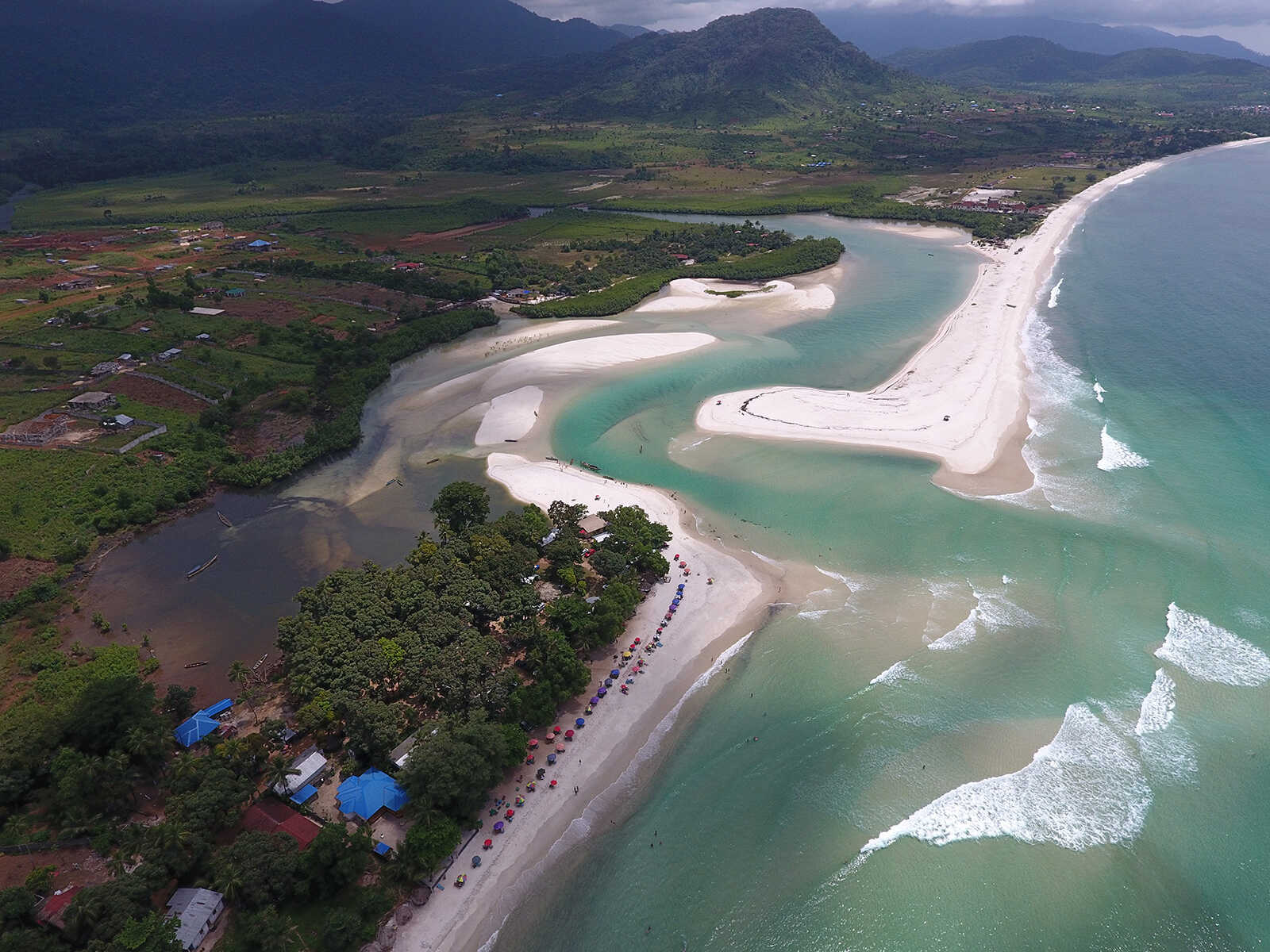
The Freetown Peninsula is renowned for some of West Africa's most breathtaking beaches, offering golden sands, clear waters, and a laid-back atmosphere. The dry season is unequivocally the prime time for beach lovers.
Imagine long days spent swimming, sunbathing, or trying your hand at surfing at places like Bureh Beach, known for its surf club. Or perhaps a leisurely afternoon savoring fresh seafood at River No 2 Beach, often lauded for its picturesque river meeting the ocean. Further south,Tokeh Beach offers a more upscale experience with beautiful resorts.
During these months, the waters are calmest, visibility for snorkeling is best, and the coastal roads are easily navigable, allowing you to beach-hop and discover your own slice of paradise. Evenings often come alive with beach bonfires and local music, adding to the enchanting ambiance.
Beyond the Beaches: Other Considerations
Wildlife Viewing
For wildlife enthusiasts, the dry season offers the best conditions. With less vegetation, animals are easier to spot as they gather around dwindling water sources. This is ideal for visiting places like the Tacugama Chimpanzee Sanctuary or exploring the remote Outamba-Kilimi National Park for forest elephants, hippos, and various primates.
Cultural Exploration
Freetown, the capital city, is a vibrant hub of history and culture. The dry season allows for comfortable exploration of its bustling markets, historical sites, and architectural gems. Don't miss the iconic Cotton Tree, a symbol of freedom and a central landmark in the city's history, or the Sierra Leone National Museum. While the city can be explored year-round, walking tours are much more pleasant under dry, sunny skies.
Practical Tips for Planning Your Trip
- Accommodation:During the peak dry season (December-February), popular beach resorts and guesthouses can book up quickly. It's advisable to reserve your lodging in advance.
- Transportation:Roads are generally in better condition during the dry season, making travel between towns and to remote attractions smoother. However, always be prepared for varying road quality.
- Packing:Light, breathable clothing is essential year-round. During the dry season, include sunscreen, a hat, and insect repellent. For the wet season, add lightweight rain gear and waterproof footwear.
- Health:Malaria prevention is crucial regardless of the season. Consult your doctor about recommended vaccinations well before your trip.
Making Your Decision: A Quick Guide
Ultimately, the "best" time to visit Sierra Leone depends on your priorities:
- For Beach Lovers & Outdoor Activities:November to May (Dry Season)is your prime window. Enjoy endless sunshine, calm waters, and easy travel.
- For Lush Greenery & Fewer Crowds:June to October (Wet Season)offers a unique perspective, cooler temperatures, and a chance to see waterfalls at their peak, though with more challenging travel conditions.
- For Festivals & Cultural Immersion:Check specific dates for Eid holidays. Independence Day in April is a fixed highlight during the dry season. Christmas and New Year also fall within the dry period.
Sierra Leone is a destination that rewards travelers with its natural splendor and warm hospitality, no matter when you choose to visit. With a little planning, you can tailor your trip to perfectly match your desired experience.