
A Brief History of Sierra Leone: Essential Background for Tourists
Understanding the rich and complex history of Sierra Leone is crucial for any visitor wishing to truly appreciate its vibrant culture, resilient people, and stunning landscapes. From its early indigenous settlements to its role in the transatlantic slave trade, and its journey through colonialism and civil conflict to its current era of peace and development, Sierra Leone's past shapes its present in profound ways. This article provides a concise overview, offering essential context for your travels.
Early Encounters and the Scars of Slavery
Long before European arrival, various indigenous groups, including the Temne, Mende, Susu, and Limba, inhabited the region now known as Sierra Leone, establishing complex societies and trade networks. The country's documented history with the outside world began in 1462 when Portuguese explorer Pedro de Sintra sailed along its coast. He named the region "Serra Leoa," meaning "Lion Mountains," either due to the shape of the hills surrounding the harbour or the roaring thunder frequently heard there.
For centuries following, Sierra Leone became a significant, albeit tragic, hub in the transatlantic slave trade. Its natural harbour and strategic location made it a convenient point for European traders – Portuguese, Dutch, French, and British – to transport enslaved Africans across the Atlantic. This period profoundly impacted the region, leading to immense human suffering and disrupting local communities.
The Province of Freedom and the Birth of Freetown
Paradoxically, the very region deeply scarred by the slave trade would become a beacon of freedom. In the late 18th century, British abolitionists established the "Province of Freedom" in 1787. Their goal was to resettle freed slaves from London, who often faced severe hardship and discrimination despite their legal freedom. This initial settlement struggled, facing disease, attacks from local Temne people, and logistical challenges.
A more successful venture began in 1792 with the founding of Freetown by the Sierra Leone Company. This new settlement became a haven for thousands of "Black Poor" from London, as well as Nova Scotian settlers – former enslaved Africans who had fought for the British during the American Revolutionary War and were granted land in Nova Scotia. Later, Maroons from Jamaica, who had rebelled against British rule, also joined the Freetown community. These diverse groups, along with recaptured Africans (known as "Krios") rescued from illegal slave ships by the British Royal Navy after the abolition of the slave trade, formed the unique Krio ethnic group and laid the foundations of modern Freetown.
A potent symbol of this history stands proudly in the heart of the capital: the Cotton Tree. Legend holds that the Nova Scotian settlers, upon arriving in Freetown, gathered under this massive kapok tree to offer prayers of thanksgiving for their freedom.
The founding of Freetown by freed slaves and abolitionists marks a pivotal moment, transforming a former slave trading post into a powerful symbol of liberty and a unique melting pot of cultures.
Colonial Rule and the Road to Independence
In 1808, Freetown and its surrounding areas became a British Crown Colony, primarily to serve as a base for the Royal Navy's anti-slavery patrols. Over the subsequent decades, British influence expanded, and in 1896, the hinterland was declared a British Protectorate. Colonial rule brought infrastructure development, including railways and roads, and the establishment of cash crop plantations for exports like palm oil, coffee, and cocoa. Mining, particularly for diamonds and iron ore, also became a significant part of the colonial economy.
Education flourished in Freetown, which earned the moniker "Athens of West Africa" due to Fourah Bay College, founded in 1827. It was the first Western-style university in sub-Saharan Africa, educating generations of leaders from across the continent. Nationalist sentiments grew in the mid-20th century, leading to a peaceful transition towards self-governance. On 27 April 1961, Sierra Leone gained its independence from Great Britain, with Sir Milton Margai becoming its first Prime Minister.
Post-Independence Challenges and the Civil War
The decades following independence were marked by political instability, coups, and a gradual erosion of democratic institutions. Economic mismanagement and corruption further exacerbated social tensions. These underlying issues tragically culminated in the devastating Sierra Leone Civil War, which raged from 1991 to 2002.
The war was characterized by extreme brutality, widespread human rights abuses, and the widespread use of child soldiers. The control of diamond-rich areas played a significant role in fueling the conflict, giving rise to the term "blood diamonds." Millions were displaced, and tens of thousands lost their lives. The war left deep physical and psychological scars on the nation and its people. A UN-backed Special Court for Sierra Leone was later established to prosecute those who bore the greatest responsibility for the atrocities committed during the conflict, marking a crucial step towards justice and reconciliation.
Reconstruction, Resilience, and a Brighter Future
Since the end of the civil war in 2002, Sierra Leone has embarked on a remarkable journey of peacebuilding, reconstruction, and reconciliation. The country has held several successful democratic elections, demonstrating a commitment to stable governance. Significant efforts have been made to rebuild infrastructure, strengthen institutions, and foster economic growth. While challenges remain, including poverty and the lingering effects of the 2014-2016 Ebola crisis, the resilience and spirit of the Sierra Leonean people shine through.
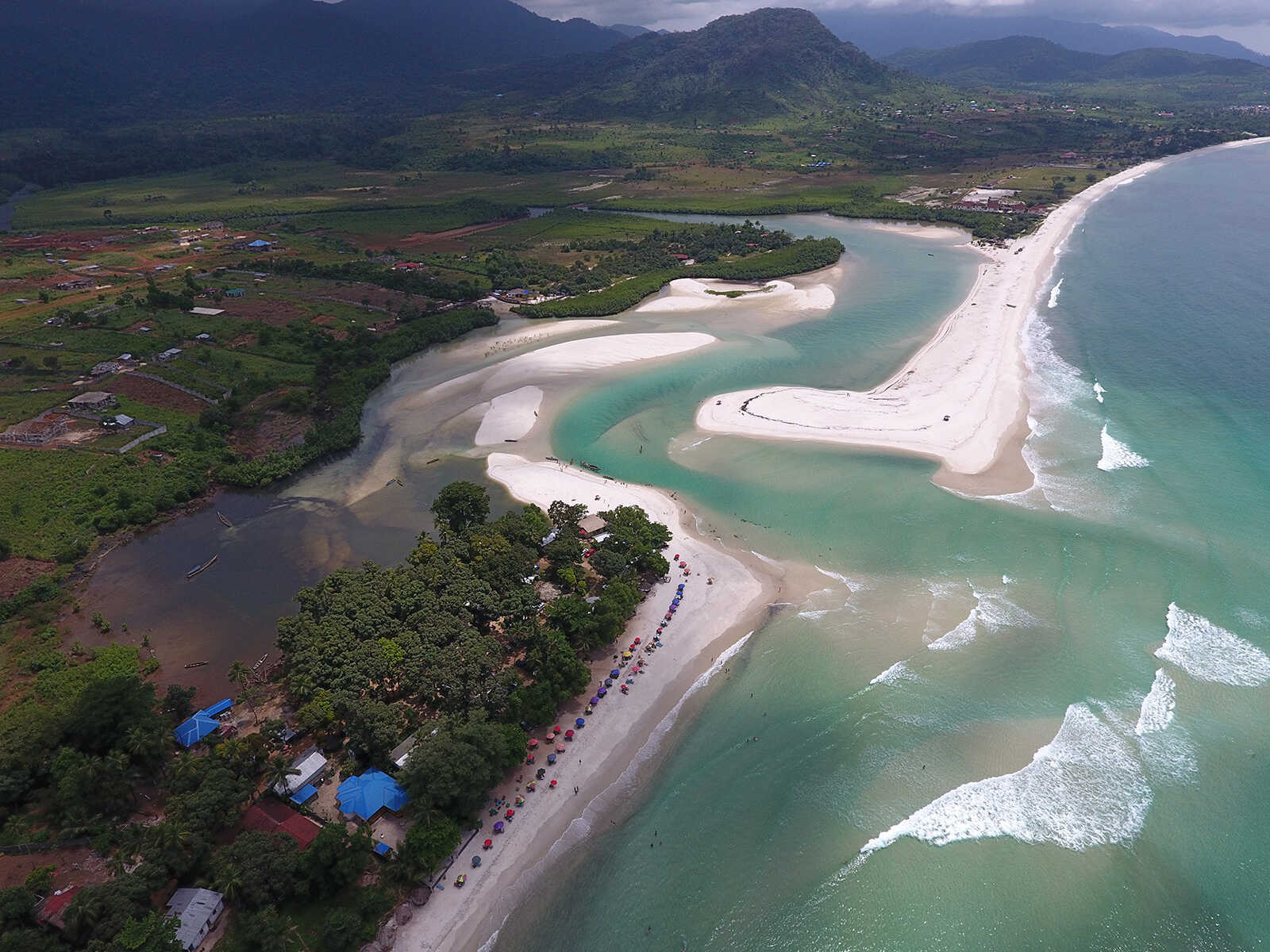
Today, Sierra Leone is a country focused on its future, welcoming visitors to discover its untouched natural beauty. From the bustling markets of Freetown to the pristine shores of its world-class beaches like Bureh Beach,River No 2 Beach, and Tokeh Beach, the country offers a unique and rewarding travel experience. Understanding its past allows tourists to appreciate the depth of its recovery and the warmth of its people, who are eager to share their culture and heritage with the world.
Why History Matters for Tourists
Engaging with Sierra Leone's history enriches your travel experience immensely. It provides context for the monuments you see, the stories you hear, and the vibrant culture you encounter. It fosters a deeper appreciation for the peace and progress the nation has achieved and encourages respectful interaction with its people and traditions. As you explore this fascinating West African gem, remember the journey it has taken to reach this moment, and you'll find your visit all the more meaningful.