
Best Time to Visit the Philippines: Weather, Events, and Travel Tips
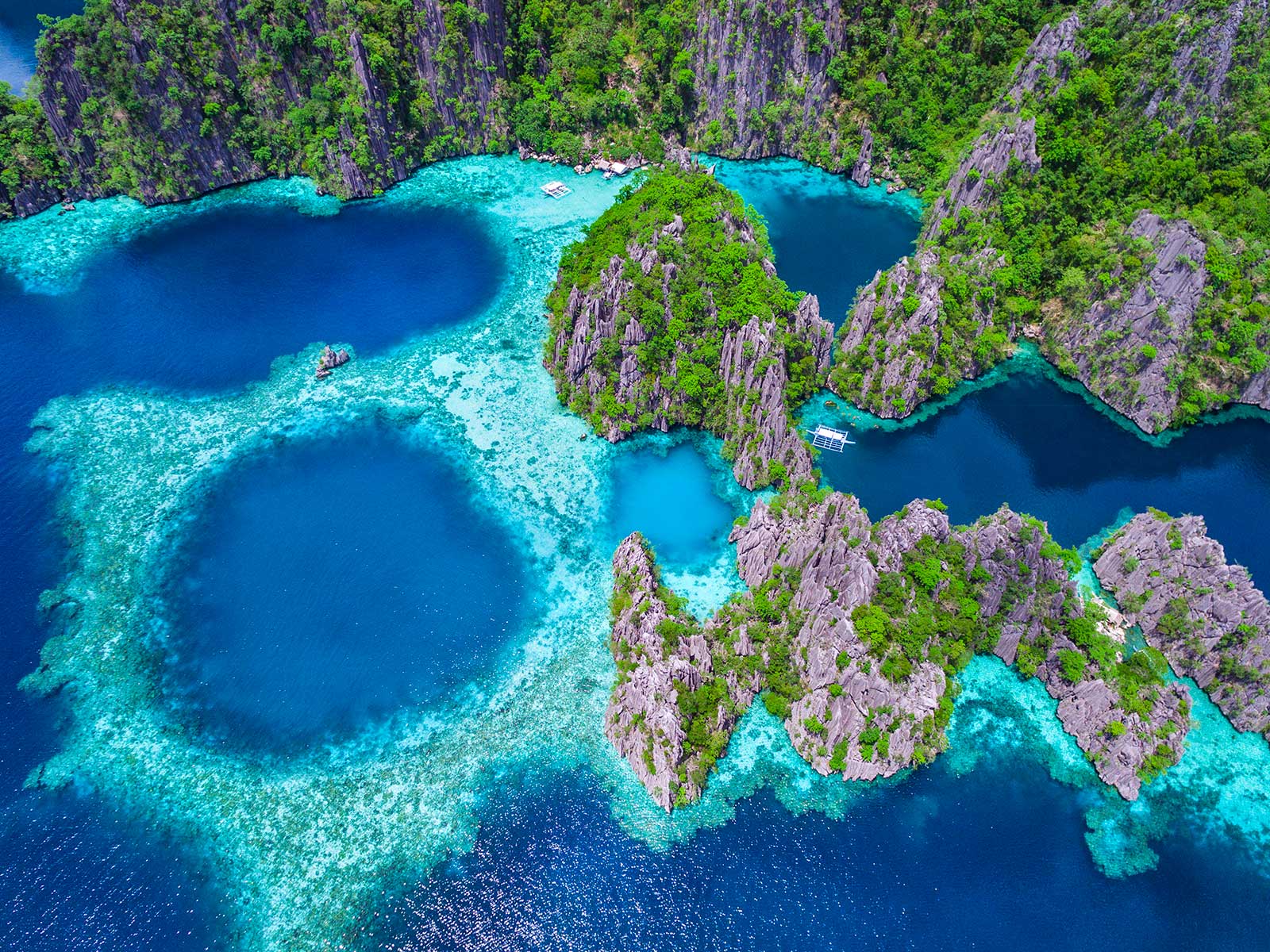
The Philippines, an archipelago nation boasting over 7,000 islands, offers a mesmerizing blend of pristine beaches, vibrant cultures, and breathtaking natural wonders. To truly maximize your tropical adventure, understanding the best time to visit is key to experiencing its unique charm, whether you're chasing sun-drenched shores or immersive cultural festivals.
Understanding the Philippine Climate
The Philippines has a tropical maritime climate, characterized by relatively high temperatures, high humidity, and abundant rainfall. Generally, the country experiences two main seasons: the dry season and the wet season, dictated by monsoon winds.
The Dry Season (December to May)
This is widely considered thebest time to visit the Philippinesfor most travelers, offering ideal conditions for beach holidays, island hopping, and outdoor activities. It can be further divided into two sub-seasons:
- Cool Dry Season (December to February):Characterized by cooler temperatures, lower humidity, and minimal rainfall. This period is perfect for those seeking comfortable weather for exploring. Popular destinations like Boracay,Cebu, and Palawan are at their prime.
- Hot Dry Season (March to May):Temperatures rise significantly, making it ideal for sunbathing and swimming. While still dry, the heat can be intense, so staying hydrated and seeking shade is crucial. This is also peak season for local tourism, as schools are out for summer break.
During the dry season, you can expect:
- Pros:Predictably sunny days, calm seas for island hopping and water sports, excellent visibility for diving and snorkeling, and perfect weather for hiking up peaks like Osmeña Peak.
- Cons:Higher tourist crowds, especially during Christmas, New Year, and Easter/Holy Week. Accommodation and flight prices tend to be at their peak, requiring advance booking.
Travel Tip:If planning a trip during the peak dry season, especially to popular spots like Boracay or Moalboal, book your flights and accommodations several months in advance to secure better rates and availability.
The Wet Season (June to November)
Also known as the rainy season or monsoon season, this period brings more frequent rainfall and higher humidity. While it might sound less appealing, traveling during this time has its own unique advantages and charm.
- Characteristics:Expect short, heavy downpours followed by sunshine, particularly in the mornings. However, the wet season also carries the risk of typhoons, especially from July to October.
- Pros:Fewer crowds, greener landscapes, potentially lower prices for flights and accommodations, and a more authentic local experience. Some areas, particularly on the Pacific coast, experience excellent surfing conditions during this time.
- Cons:Potential for travel disruptions due to heavy rains or typhoons, limited outdoor activities on some days, and higher humidity.
Despite the rain, many areas remain vibrant. Waterfalls like Kawasan Falls are particularly majestic after rainfall, and dive sites in protected areas can still offer incredible experiences. Places like Malapascua Island, famous for thresher sharks, often have good diving conditions year-round.
Shoulder Seasons
Consider the "shoulder seasons" – late May/early June and late November/early December – for a good balance. You might catch the tail end of good weather before the full monsoon or the beginning of the dry season, often with fewer crowds and potentially better deals.
Major Festivals and Events
The Philippines is renowned for its vibrant festivals (fiestas) that showcase its rich culture, history, and religious devotion. Timing your visit with a festival can be an unforgettable experience, but also means increased crowds and higher demand.
- January:The country kicks off the year with two of its grandest festivals. The Sinulog Festival in Cebu City honors the Santo Niño (Child Jesus) with spectacular street dances and parades. Simultaneously, the Ati-Atihan Festival in Kalibo, Aklan, is a lively celebration with tribal dances and painted participants.
- April:Holy Week (Semana Santa) is a significant religious observance across the predominantly Catholic nation. While deeply cultural, many locals travel home or to resorts, leading to packed transport and accommodations. Be mindful of closures on Maundy Thursday and Good Friday.
- May:The Pahiyas Festival in Lucban, Quezon, is a colorful harvest festival where houses are adorned with vibrant decorations made from agricultural produce.
- October:The MassKara Festival in Bacolod City, known as the "City of Smiles," features dancers in smiling masks and elaborate costumes, celebrating resilience and joy.
- December:The Christmas season in the Philippines is one of the longest in the world, starting as early as September. December is filled with festivities, carols, and vibrant decorations, culminating in Noche Buena (Christmas Eve dinner).
Best Time for Specific Activities
Beach & Island Hopping
Best Time: December to May (Dry Season).This period guarantees sunny skies and calm waters, perfect for exploring the pristine shores of Boracay, including its famous White Beach and Puka Shell Beach, or the serene beauty of Bantayan Island. Activities like cliff jumping at Ariel's Point or exploring Crystal Cove Island are best enjoyed under clear skies.
Diving & Snorkeling
Best Time: December to May for optimal visibility, but many sites are good year-round.The dry season generally offers the best underwater visibility. Dive with whale sharks in Oslob or encounter thresher sharks off Malapascua Island.Moalboal is famous for its sardine run, a spectacle that can be witnessed throughout the year.
Hiking & Trekking
Best Time: December to February (Cool Dry Season).The cooler, drier months are ideal for trekking to viewpoints like Osmeña Peak or exploring the lush interiors of islands without the challenges of muddy trails or intense heat.
Surfing
Best Time: July to October (Wet Season) for bigger waves.While certain spots like Bulabog Beach in Boracay offer wind sports during the dry season, the primary surf season for larger waves in the Philippines generally aligns with the wet season, particularly on the Pacific coast.
Cultural Exploration
Best Time: Year-round, but specific festivals offer unique insights.Historical sites like Magellan's Cross in Cebu or religious landmarks like Simala Shrine can be visited any time. Experiencing local markets, such as Carcar Public Market, offers a glimpse into daily Filipino life regardless of the season.
Travel Tips for Any Season
- Book in Advance:Regardless of the season, popular destinations and flights, especially domestic ones, can fill up quickly. Booking well ahead is always a good strategy.
- Pack Smart:Light, breathable clothing is essential. During the wet season, a lightweight waterproof jacket or umbrella is a must. Always bring sunscreen, insect repellent, and a wide-brimmed hat.
- Stay Hydrated:The tropical climate means you'll sweat a lot. Drink plenty of water.
- Check Weather Forecasts:Pay close attention to local weather reports, especially if traveling during typhoon season. Websites and apps can provide real-time updates.
- Be Flexible:Particularly during the wet season, travel plans might need to be adjusted due to weather. Embrace flexibility and have backup activities in mind.
- Travel Insurance:Always recommended, but particularly important if traveling during the wet season, as it can cover cancellations or delays due to adverse weather.
- Embrace the Filipino Spirit:Filipinos are known for their warmth and hospitality. Be open to new experiences, try local food, and engage with the friendly locals.
Conclusion
While the dry season from December to May generally offers the most favorable weather for a classic Philippine beach holiday, the "best time to visit" ultimately depends on your priorities. Whether you prefer bustling festivals, serene off-peak travel, or specific activities like surfing or diving, the Philippines has something magical to offer year-round. Plan according to your preferences, prepare for the climate, and get ready for an unforgettable adventure in this tropical paradise.