
What to Pack for a Namibia Trip: Essential Gear for Every Season
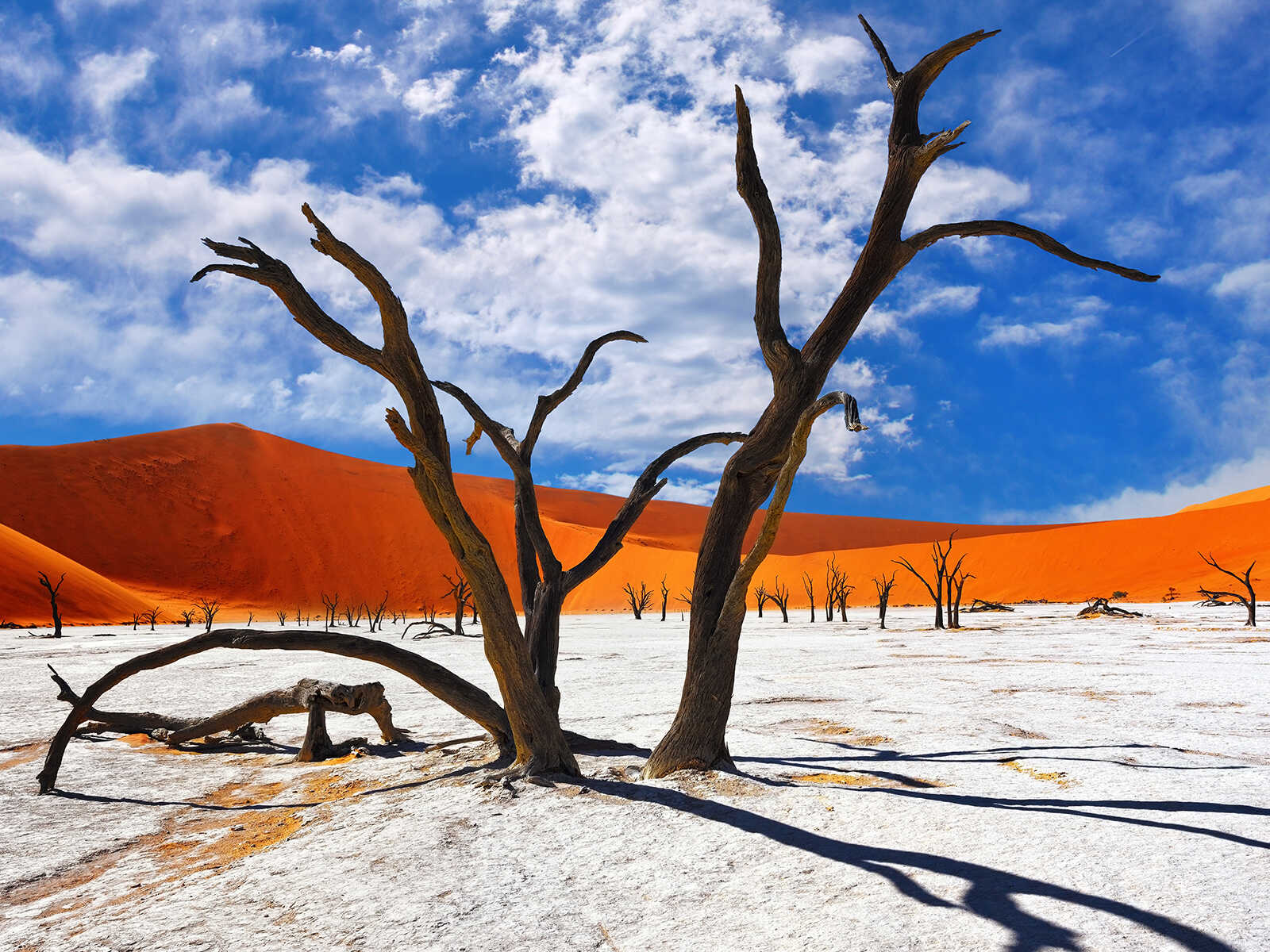
Namibia is a land of dramatic contrasts, from the towering red dunes of Sossusvlei to the wildlife-rich plains of Etosha National Park and the rugged beauty of the Skeleton Coast. Preparing for such a diverse landscape requires thoughtful packing to ensure comfort and readiness for every adventure, regardless of the time of year.
A journey through Namibia promises unforgettable experiences, but its unique environment demands a practical approach to your luggage. While days can be scorching hot, particularly in the desert regions like Namib-Naukluft National Park or the Kalahari Desert, nights and early mornings can drop to surprisingly chilly temperatures. Dust is a constant companion, and sun exposure is intense. Smart packing isn't just about convenience; it's about enhancing your entire Namibian adventure.
General Packing Principles for Namibia
To navigate Namibia's varied climate and activities, keep these core principles in mind:
- Layering is Key:Temperatures can fluctuate wildly within a single day. Pack items that can be easily added or removed.
- Neutral Colours:For wildlife viewing, especially in Etosha National Park or Damaraland, khaki, olive, beige, and brown help you blend into the environment. Bright colours can disturb animals.
- Dust Protection:Expect dust everywhere. Protect electronics and keep clothes practical.
- Sun Protection:The Namibian sun is powerful. Prioritize hats, sunglasses, and sunscreen.
- Comfort Over Fashion:Your trip will involve long drives, walking, and outdoor activities. Practical, comfortable clothing and footwear are paramount.
"Namibia's desert climate can be extreme. Expect significant temperature differences between day and night, especially in arid regions. Be prepared for hot days and surprisingly cold evenings, even in summer."
Essential Clothing for Your Namibian Adventure
Your wardrobe should be versatile, focusing on breathable fabrics and protective layers.
Tops and Bottoms
- Long-Sleeved Shirts:Lightweight, breathable long-sleeved shirts are crucial. They protect you from the sun during the day and offer warmth on cooler evenings, while also providing a barrier against insects.
- T-Shirts/Short-Sleeved Tops:Pack a few for hot daytime wear.
- Convertible Pants/Zip-Off Trousers:These are ideal, offering the flexibility of shorts for hot days and full-length trousers for evenings or sun protection.
- Comfortable Trousers/Jeans:A pair for evenings at lodges or cooler days.
- Shorts:For very hot days, particularly when exploring areas like Dune 7 or Sossusvlei.
Outerwear
- Fleece Jacket or Warm Sweater:Essential for chilly mornings, evenings, and cooler coastal areas like Walvis Bay or Cape Cross.
- Lightweight Windbreaker/Rain Jacket:While rain is infrequent, a windbreaker is excellent for open vehicle safaris or coastal breezes.
Footwear
- Sturdy Walking/Hiking Shoes:A comfortable, broken-in pair is vital for exploring dunes, nature walks in Damaraland, or hiking Fish River Canyon. Ensure they are suitable for uneven terrain.
- Sandals/Flip-Flops:Perfect for relaxing at lodges, around camp, or for hot, dusty areas.
- Comfortable Camp Shoes:Something easy to slip on and off.
- Socks:A mix of thin, breathable socks for hot days and warmer socks for cool evenings.
Other Clothing Items
- Swimwear:Many lodges and camps have swimming pools, a welcome relief from the heat.
- Undergarments:Pack enough for your trip, considering laundry facilities may be limited.
Sun Protection and Headwear
The Namibian sun is relentless. Protecting yourself is non-negotiable.
- Wide-Brimmed Hat:Essential for protecting your face, ears, and neck from the sun.
- Sunglasses:High-quality, UV-protective sunglasses are a must to combat glare, especially in desert environments.
- High SPF Sunscreen:Apply liberally and often.
- Lip Balm with SPF:To prevent chapped lips.
Health and Hygiene Essentials
- Personal Toiletries:Consider biodegradable options if you are staying in eco-sensitive areas like NamibRand-Naturreservat.
- Hand Sanitizer:Useful when water isn't readily available.
- Insect Repellent:Especially important during the wetter months or when visiting areas near water sources. Look for repellents with DEET or Picaridin.
- Basic First-Aid Kit:Include pain relievers, anti-diarrhea medication, antiseptic wipes, bandages, blister plasters, and any personal prescription medications.
- Rehydration Salts:Useful in hot climates.
Photography, Electronics, and Connectivity
To capture Namibia's breathtaking beauty and stay connected:
- Camera Gear:A good camera with a zoom lens is highly recommended for wildlife photography. Bring extra batteries, memory cards, and cleaning cloths for dust.
- Power Bank:For charging devices on the go, especially during long drives or at remote camps.
- Universal Travel Adapter:Namibia uses Type D and Type M sockets.
- Binoculars:Absolutely essential for spotting distant wildlife in Etosha National Park or observing birds.
- Headlamp or Flashlight:For navigating camps at night or during power outages.
- Dust-Proof Bags/Covers:Protect your valuable electronics from the pervasive desert dust.
Documents and Money
- Passport and Visa:Ensure your passport is valid for at least six months beyond your intended departure date and has sufficient blank pages. Check visa requirements well in advance.
- Driver's License and International Driving Permit:If you plan to self-drive.
- Travel Insurance Details:Always have a copy, both physical and digital.
- Copies of Important Documents:Keep digital copies on your phone/cloud and physical copies separate from the originals.
- Local Currency (NAD):While credit cards are accepted in many places, having some Namibian Dollars for small purchases, tips, or markets is advisable.
- Credit/Debit Cards:Inform your bank of your travel plans.
Miscellaneous Essentials
- Small Backpack/Daypack:For daily excursions, carrying water, snacks, camera, and extra layers.
- Reusable Water Bottle:Stay hydrated and reduce plastic waste.
- Wet Wipes/Hand Wipes:Invaluable for quick clean-ups on dusty days.
- Book/Entertainment:For downtime during transfers or evenings at the lodge.
- Sarong or Multi-Use Scarf:Can serve as a head covering, shoulder wrap, makeshift towel, or dust protection.
Seasonal Considerations
While the above covers general needs, a few seasonal nuances:
- Dry Season (May-October):This is winter in Namibia. Days are pleasant, but nights and early mornings are significantly colder, especially in the desert and high-altitude areas like around Spitzkoppe. Pack warmer layers, including a good jacket and possibly a hat and gloves for early morning game drives. This is prime wildlife viewing season.
- Wet Season (November-April):Summer brings higher temperatures and occasional thunderstorms. Pack lighter clothing, but still include a light rain jacket. Humidity can be higher. Insect repellent becomes even more crucial. The landscape transforms with lush greenery.
- Coastal Areas (e.g.,Walvis Bay,Skeleton Coast,Cape Cross):These regions experience cooler temperatures year-round, often accompanied by fog, especially in the mornings. Always pack warmer layers, even in summer, if your itinerary includes the coast.
What NOT to Pack
- Excessive Formal Wear:Namibia is a casual destination. Leave the fancy outfits at home.
- Too Many Bulky Items:Luggage space, especially on small safari planes, can be limited. Opt for lightweight, quick-drying fabrics.
- Valuables You Can't Bear to Lose:While generally safe, minimize the risk by leaving irreplaceable items at home.
Packing smart for Namibia means being prepared for its incredible diversity and dramatic shifts. By following these guidelines, you'll be well-equipped to enjoy every moment of your unforgettable journey through this spectacular country.