
Sustainable Travel in Namibia: Tips for Responsible Tourism
Namibia, a land of vast open spaces, ancient deserts, and incredible wildlife, offers unparalleled adventures for the intrepid traveler. To preserve its pristine landscapes and support its vibrant communities for generations to come, embracing sustainable travel practices is not just an option, but a necessity for every visitor.
Why Sustainable Travel Matters in Namibia
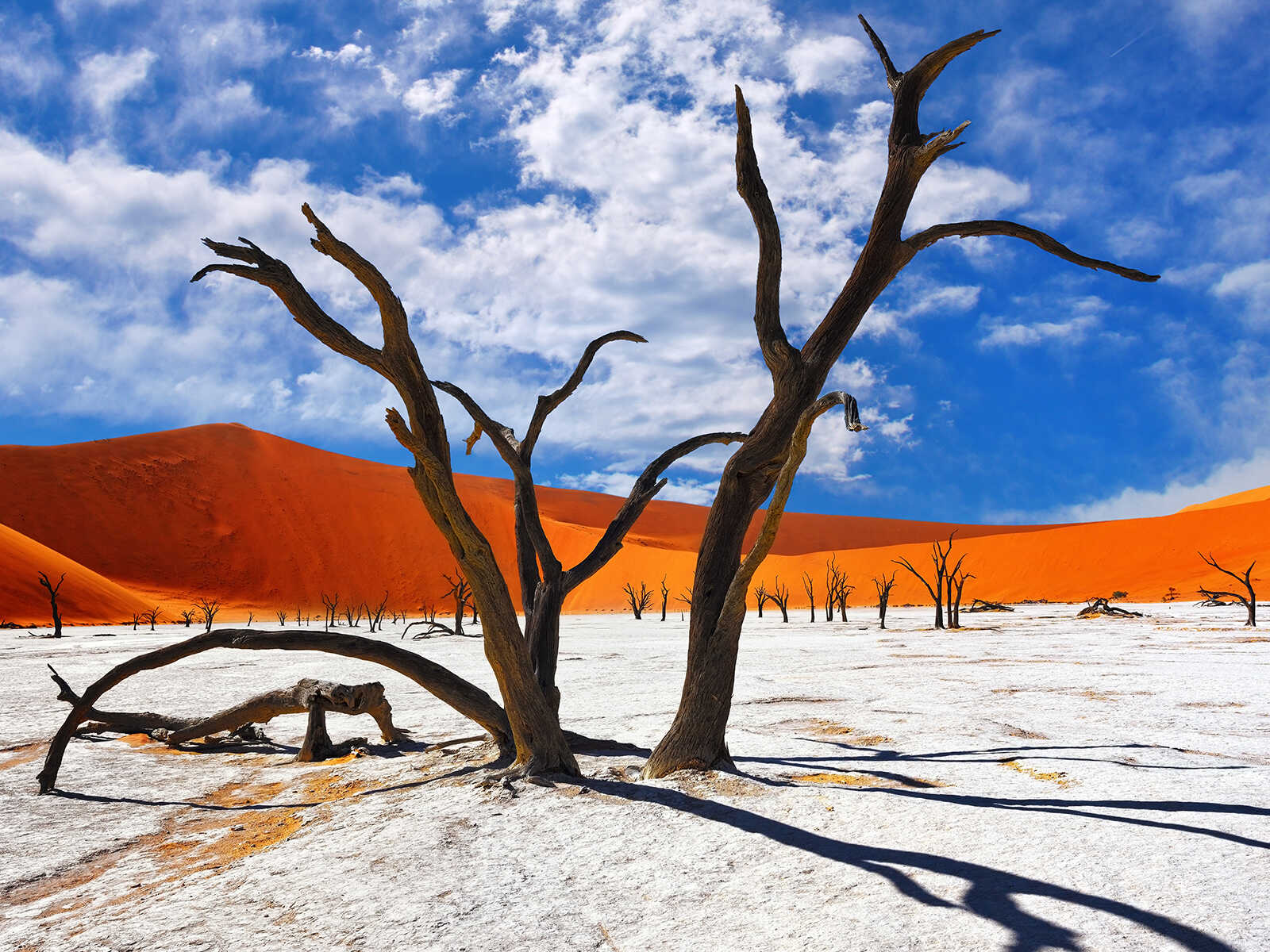
Namibia's beauty lies in its magnificent, yet incredibly fragile, ecosystems. From the towering red dunes of the Namib-Naukluft National Park to the unique desert-adapted wildlife of Damaraland and the rich biodiversity of Etosha National Park, the country's natural heritage is a powerful draw. However, its arid climate and sparse population mean that resources are precious and ecosystems are highly sensitive to human impact. Sustainable tourism plays a critical role in:
- Protecting Fragile Environments:Minimizing disruption to delicate desert flora and fauna.
- Conserving Wildlife:Supporting anti-poaching efforts and habitat preservation for iconic species like rhinos and elephants.
- Empowering Local Communities:Ensuring that tourism benefits directly reach the people who live alongside and protect these natural wonders.
- Preserving Cultural Heritage:Respecting and valuing the diverse traditions of Namibia's indigenous groups.
Practical Tips for Responsible Tourism in Namibia
Support Local Communities & Economies
Your travel choices have a direct impact. By consciously directing your spending, you can help build resilient local economies.
- Choose Local Operators:Prioritize tour companies, guides, and accommodation providers that are locally owned and operated. They often have a deeper understanding of the local environment and culture.
- Stay in Conservancy-Run Camps:Namibia is a world leader in community-based natural resource management. Many conservancies, particularly in regions like Damaraland, operate their own lodges and campsites. Staying there directly funds conservation and community development initiatives.
- Buy Local Crafts:Purchase souvenirs from local markets or artisan cooperatives. This supports traditional skills and provides income directly to the makers. Remember to haggle respectfully and fairly.
- Eat Local:Seek out restaurants that use locally sourced ingredients and offer traditional Namibian cuisine.
"Every purchase you make, from a handcrafted souvenir to a guided tour, directly contributes to the livelihoods of Namibian families and strengthens local economies."
Conserve Wildlife & Natural Habitats
Namibia is a haven for wildlife, from the desert-adapted species to the massive herds of Etosha National Park. Your actions can help ensure their continued survival.
- Keep Your Distance:Always observe wildlife from a respectful and safe distance. Never approach or feed animals, as this can alter their natural behavior and put both you and them at risk.
- Stay on Marked Trails:Whether hiking in the Fish River Canyon or driving through a national park, stick to designated roads and paths to prevent damage to fragile vegetation and ecosystems. Off-roading can cause irreparable harm.
- Do Not Litter:Pack out everything you pack in. Even biodegradable waste can take a long time to decompose in arid environments and can be harmful to wildlife.
- Support Conservation Efforts:Consider visiting organizations that are actively involved in wildlife rehabilitation or anti-poaching, such as those found near Okapuka Ranch, or contribute to reputable conservation funds.
Minimize Your Environmental Footprint
Given Namibia's extreme aridity, especially in regions like the Kalahari Desert and the coastal areas around Walvis Bay, every drop of water and unit of energy counts.
- Conserve Water:Namibia is one of the driest countries in sub-Saharan Africa. Take short showers, turn off taps while brushing teeth, and report any leaks.
- Reduce Waste:Carry a reusable water bottle and refill it. Say no to single-use plastics whenever possible.
- Manage Energy Use:Turn off lights and air conditioning when leaving your room. Unplug chargers when not in use.
- Choose Eco-Friendly Accommodation:Seek out lodges and guesthouses that actively practice sustainability, such as those in the NamibRand-Naturreservat, which is dedicated to conservation.
Respect Local Culture & Traditions
Namibia is a melting pot of diverse cultures. Engaging respectfully enriches your experience and honors the local people.
- Ask for Permission:Always ask before taking photographs of people, especially in rural areas or when visiting indigenous communities.
- Dress Modestly:When visiting villages, religious sites like the Christuskirche, or engaging with traditional communities, dress respectfully.
- Learn Basic Greetings:A simple "Hello" (e.g., "Moro" in Oshiwambo) in the local language can go a long way in showing respect.
- Be Mindful of Customs:Your guide can provide invaluable insights into local etiquette and customs.
Choose Responsible Tour Operators & Accommodations
The easiest way to ensure your trip is sustainable is to select partners who share your values.
- Research Their Policies:Look for operators and lodges that clearly state their commitment to sustainability, conservation, and community development.
- Look for Certifications:Some establishments hold environmental certifications, indicating adherence to specific sustainability standards.
- Inquire About Staffing:Responsible operators prioritize employing and training local staff, ensuring fair wages and good working conditions.
- Check Their Impact:Does the operator contribute to local conservation projects or community initiatives? Are they transparent about their environmental footprint?
Planning Your Sustainable Namibian Adventure
A little preparation can go a long way in ensuring your trip is as responsible as it is unforgettable.
- Research Before You Go:Familiarize yourself with Namibia's unique environmental challenges and cultural norms.
- Pack Smart:Bring a reusable water bottle, sunscreen (reef-safe if visiting coastal areas like Walvis Bay), a hat, and appropriate clothing for varied climates.
- Consider Carbon Offsetting:For international flights, consider offsetting your carbon emissions through reputable schemes.
- Be Flexible:Sometimes the most sustainable option might not be the most direct or luxurious, but it will be the most rewarding.
Embrace the Spirit of Namibia
From the iconic dunes of Sossusvlei and the stark beauty of the Skeleton Coast to the ancient rock art near Spitzkoppe and the bustling seal colony at Cape Cross, Namibia offers experiences that touch the soul. By traveling sustainably, you not only protect these wonders but also deepen your connection to this extraordinary land and its people. Your choices make a difference, ensuring that Namibia remains a pristine and welcoming destination for generations to come.