
Stargazing in Namibia: Best Dark Sky Reserves & Observatories
Namibia, a land of vast open spaces and unparalleled natural beauty, offers one of the most spectacular stargazing experiences on Earth. Far from the light pollution of urban centers, its pristine deserts and high-altitude plateaus provide an unobstructed canvas for the cosmos. Prepare to witness a celestial show unlike any other, where the Milky Way stretches across the sky in breathtaking detail.
Why Namibia is a Stargazer's Paradise
Namibia's status as a premier destination for astronomy isn't accidental; it's a combination of unique geographical and atmospheric conditions:
- Minimal Light Pollution:With one of the lowest population densities globally, vast swathes of Namibia remain untouched by artificial light, leading to exceptionally dark skies.
- Arid Climate:The country's desert environment means very low humidity and infrequent cloud cover, ensuring clear viewing nights for most of the year.
- High Altitude:Many stargazing locations are situated at elevations that place them above much of the atmospheric haze, offering sharper views.
- Stable Atmosphere:Namibia's relatively calm atmospheric conditions minimize "seeing" – the distortion caused by atmospheric turbulence – allowing for clearer telescopic observations.
These factors have earned Namibia international recognition, with significant areas designated as International Dark Sky Places, protecting them for future generations of stargazers and researchers.
Premier Dark Sky Reserves and Locations
NamibRand Nature Reserve: Africa's First International Dark Sky Reserve
At the forefront of Namibia's dark sky preservation efforts is the NamibRand Nature Reserve, the first International Dark Sky Reserve in Africa. Located within the larger Namib-Naukluft National Park area, this private reserve is a beacon for conservation and astro-tourism. Its commitment to maintaining pristine night skies is exemplary, ensuring an unparalleled viewing experience.
Visitors to NamibRand can expect to see the Milky Way in such vivid detail that it appears three-dimensional, along with countless constellations, planets, and even nebulae visible to the naked eye. Several lodges within the reserve offer dedicated observatories and expert guides to enhance the experience.
Fun Fact:The NamibRand Nature Reserve is classified as a "Gold Tier" Dark Sky Reserve, meaning its night skies are among the darkest and most pristine on Earth, often exceeding the darkness of natural parks.
Gamsberg Nature Reserve: A Hub for Astronomical Research
While not openly accessible to the public for casual stargazing in the same way as NamibRand, the Gamsberg Nature Reserve is significant for its exceptional dark skies. It is home to the High Energy Stereoscopic System (H.E.S.S.) array of telescopes, an international research facility dedicated to observing cosmic gamma rays. Perched atop the Gamsberg mountain plateau, one of Namibia's highest points, the site benefits from extreme elevation and isolation, making it ideal for cutting-edge astronomical research.
Other Stellar Dark Sky Locations
Beyond the designated reserves, numerous other remote areas across Namibia offer incredible stargazing opportunities:
- Kalahari Desert:The vast, sparsely populated regions of the Kalahari provide incredibly dark skies, particularly in remote lodges and campsites.
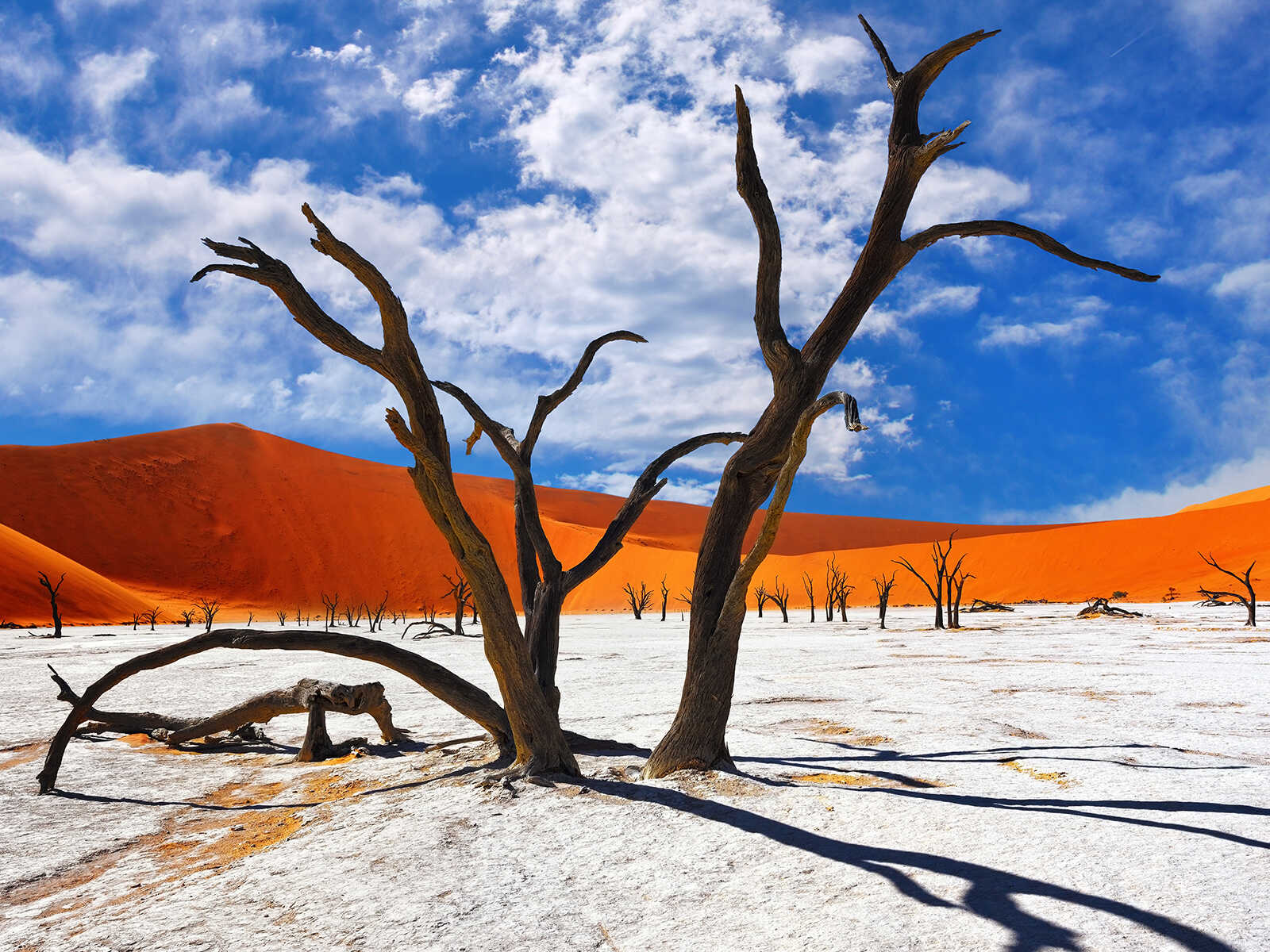
- Sossusvlei and Deadvlei:Imagine the iconic red dunes and ancient camel thorn trees silhouetted against a sky ablaze with stars. Camping near Sossusvlei offers a truly magical experience.
- Spitzkoppe:This dramatic granite inselberg, often called the "Matterhorn of Namibia," is a popular spot for camping and climbing. Its remote location and striking rock formations create a breathtaking foreground for astrophotography and stargazing.
- Remote Lodges and Campsites:Many establishments, particularly those situated deep within the Damaraland region or near Etosha National Park, prioritize their dark sky environments, offering guests unparalleled celestial views away from any light pollution.
Observatories and Stargazing Lodges
For those seeking a more guided and technologically enhanced stargazing experience, Namibia boasts several dedicated observatories and lodges equipped with powerful telescopes and expert astronomers:
- Cuno Hoffmeister Memorial Observatory:Located near the town of Gochas, this observatory is primarily focused on amateur astronomy and public outreach. It provides opportunities for visitors to view celestial objects through professional-grade telescopes and learn from knowledgeable guides.
- Private Lodge Observatories:Many high-end lodges and guest farms across Namibia have invested in their own observatories or dedicated stargazing platforms. These often include:
- Powerful computer-controlled telescopes for deep-sky viewing.
- Guided presentations by resident astronomers or passionate guides.
- Comfortable seating and viewing areas.
Best Time for Stargazing
While Namibia offers excellent stargazing year-round, certain periods are optimal:
- Dry Season (May to October):This is generally considered the best time. The dry winter months bring minimal cloud cover and very low humidity, resulting in consistently clear and crisp night skies. Nights can be cool to cold, so warm clothing is essential.
- New Moon Phases:To experience the darkest skies and see the faintest celestial objects, plan your trip around the new moon. The absence of moonlight allows the stars and Milky Way to shine with maximum intensity. Check a lunar calendar when planning.
- Avoid City Lights:Even small towns can cause light pollution. Always choose accommodations and viewing spots that are as far as possible from urban centers like Windhoek or Swakopmund to truly appreciate the dark skies.
Practical Tips for Stargazers
To make the most of your Namibian stargazing adventure, consider these practical tips:
- Dress Warmly:Even in the desert, nights can get surprisingly cold, especially during the dry season. Layered clothing, a warm jacket, hat, and gloves are highly recommended.
- Red-Light Headlamp:Bring a headlamp with a red light setting. Red light preserves your night vision, which takes 20-30 minutes to fully adapt to the dark. White light will ruin your adaptation instantly.
- Binoculars or Personal Telescope:While the naked-eye views are incredible, a good pair of binoculars can reveal countless more stars and objects. If you have a portable telescope, Namibia is the place to bring it.
- Stargazing Apps:Download a stargazing app (e.g., SkyView Lite, Star Walk) on your smartphone. These apps use your phone's gyroscope to identify constellations, planets, and satellites in real-time.
- Allow Eyes to Adjust:Give your eyes at least 20-30 minutes in complete darkness to fully adapt. The longer you wait, the more you'll see.
- Stay Hydrated:Even at night, it's important to drink water, especially in the dry desert air.
- Safety First:If you venture away from your lodge or campsite for viewing, inform staff of your plans and ensure you have a reliable way to navigate back. Be aware of your surroundings, especially in areas with wildlife.
Astrophotography in Namibia
For photographers, Namibia offers unparalleled opportunities for astrophotography. The combination of incredibly dark skies, unique landscapes (like the ancient Sossusvlei dunes, the dramatic Spitzkoppe, or quiver trees), and clear conditions creates a perfect studio for capturing the night sky.
Essential gear includes a sturdy tripod, a camera capable of manual settings and long exposures, and a wide-angle lens with a fast aperture. Experiment with different compositions, incorporating the stunning Namibian foregrounds to create truly memorable images.
Beyond Stargazing: Daytime Wonders
A stargazing trip to Namibia seamlessly combines with exploring its other magnificent attractions. By day, you can discover the colossal Dune 7, marvel at the geological grandeur of Fish River Canyon, explore the eerie beauty of the Skeleton Coast, or embark on a safari in Etosha National Park. The country's diverse landscapes offer adventures that perfectly complement the serene nights spent under the stars. Don't forget to visit the site of the Hoba meteorite, the largest known meteorite on Earth, a fitting terrestrial nod to the cosmos.
Conclusion
Namibia stands as a truly extraordinary destination for anyone passionate about the night sky. Its commitment to dark sky preservation, coupled with its natural environmental advantages, provides an unmatched celestial experience. Whether you're an amateur astronomer, a seasoned astrophotographer, or simply someone yearning to reconnect with the universe, a journey to Namibia promises nights filled with wonder and awe, leaving you with memories that shine as brightly as the stars above.