
Skeleton Coast National Park: Shipwrecks, Seals & Untamed Beauty
Namibia's Skeleton Coast National Park is a place of dramatic contrasts, where the formidable Kalahari Desert meets the cold Atlantic Ocean. This remote stretch of coastline, famous for its haunting shipwrecks and thriving seal colonies, offers an unparalleled adventure into a truly wild and untamed wilderness.
An Introduction to Namibia's Fabled Coastline
Stretching over 500 kilometers from the Ugab River in the south to the Kunene River on the Angolan border, the Skeleton Coast National Park is a testament to nature's raw power. Its name, derived from the whale and seal bones that once littered its shores and the numerous shipwrecks, evokes a sense of mystery and isolation. This is a land of extremes, where towering sand dunes plunge directly into the roaring surf, shrouded often by dense fog.
While the entire coastline of Namibia is often colloquially referred to as the Skeleton Coast, the national park itself is a protected area, divided into a more accessible southern section and a highly restricted northern section. It's a destination for the adventurous, offering a unique blend of desolate beauty, fascinating history, and remarkable wildlife adapted to one of Earth's harshest environments.
A Landscape Forged by Nature's Fury
The Skeleton Coast is an otherworldly landscape, shaped by the relentless forces of wind, sand, and sea. The cold Benguela Current, flowing north from the Antarctic, collides with the warm desert air, creating a perpetual fog bank that often blankets the coast for days. This fog, combined with strong currents and unpredictable sandbanks, historically made navigation incredibly perilous for passing ships.
The Haunting Shipwrecks
Perhaps the most iconic feature of the park are its skeletal shipwrecks, rusting hulks gradually being reclaimed by the shifting sands and crashing waves. Each wreck tells a silent tale of maritime disaster, a stark reminder of the ocean's unforgiving nature. From ancient wooden schooners to modern trawlers, these ghostly relics provide incredible photographic opportunities and a poignant connection to the past.
Did you know?The treacherous conditions of the Skeleton Coast were so feared by sailors that it was once dubbed "The Land God Made in Anger" by the Bushmen and "The Gates of Hell" by Portuguese explorers.
Desert Meets Ocean
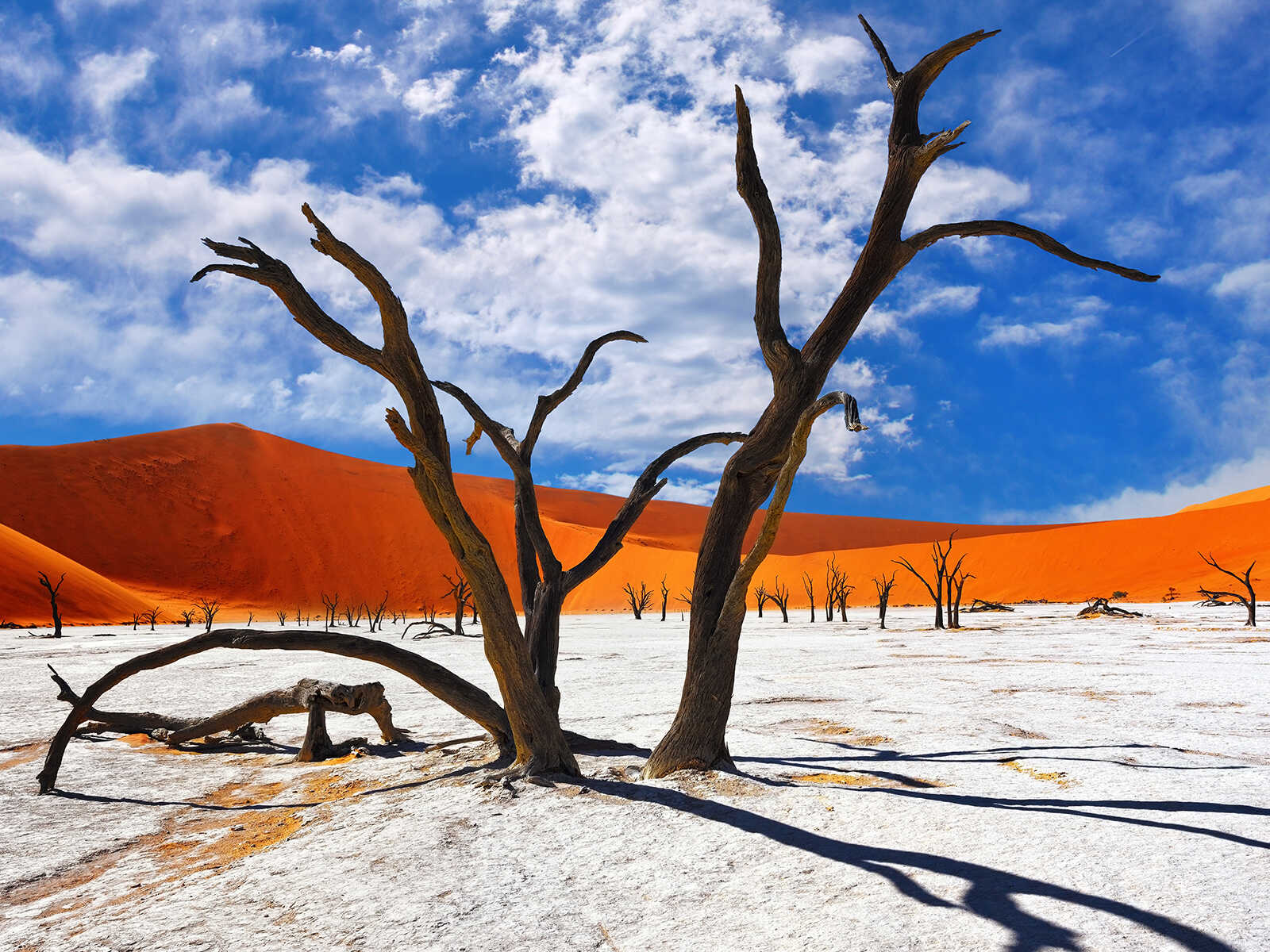
Beyond the wrecks, the landscape itself is a spectacle. Massive sand dunes, some among the largest in the world, dominate the southern section, resembling those found further south in Namib-Naukluft National Park or near Sossusvlei. Further north, the terrain transforms into vast gravel plains, rocky outcrops, and even freshwater springs that mysteriously emerge from the arid land, supporting pockets of unique vegetation.
Wildlife Adapted to Extremes
Despite its stark appearance, the Skeleton Coast National Park teems with life, especially species that have developed incredible adaptations to survive in this arid coastal environment.
Thriving Seal Colonies
The most numerous inhabitants are the Cape Fur Seals. Massive colonies, sometimes numbering in the hundreds of thousands, can be found along the coastline, including at places like Cape Cross, just south of the park's main entry. The sheer number of seals, their constant barking, and their playful antics in the surf are an unforgettable sight and sound. These colonies are a vital part of the coastal ecosystem, attracting predators that also thrive in this unique environment.
Desert-Adapted Predators and Prey
The seals are a primary food source for the legendary desert-adapted lions and brown hyenas, which roam the park's interior. These remarkable carnivores have learned to hunt along the shoreline, scavenging on seal carcasses or even preying on unwary individuals. Other resilient desert creatures include gemsbok, springbok, Hartmann's mountain zebra, and even occasional sightings of desert-adapted elephants and giraffes, which can also be found in areas like Damaraland.
Birdlife is also diverse, with numerous coastal and migratory species, including flamingos, pelicans, and various waders. The freshwater springs further inland provide crucial oases for many species, supporting a surprising array of smaller wildlife.
Exploring the Skeleton Coast National Park
Visiting the Skeleton Coast is not like a typical safari to Etosha National Park. Its remoteness and protected status mean access is tightly controlled, ensuring its pristine nature is preserved.
Accessibility and Entry Points
The park is divided into two main sections:
- Southern Section (Ugab Gate to Torra Bay/Terrace Bay):This part is more accessible to self-drive tourists with 4x4 vehicles, though permits are essential. The main entry point is the Ugab River Gate. You can drive along a designated route, exploring the coastline and seeing various shipwrecks. Accommodation is primarily at the government-run fishing camps of Torra Bay (seasonal) and Terrace Bay.
- Northern Section (North of Terrace Bay to the Kunene River):This is an extremely restricted area, accessible only via fly-in safaris operated by a few specialized tour companies. These exclusive tours offer a truly immersive experience, reaching remote corners of the park, including the stunning Kunene River mouth.
Activities and Experiences
- Scenic Drives:The drive through the southern section offers breathtaking vistas of dunes, gravel plains, and the dramatic coastline littered with wrecks.
- Photography:The unique landscapes, wildlife, and shipwrecks provide endless opportunities for stunning photography.
- Fishing:Torra Bay and Terrace Bay are renowned fishing spots, especially during the peak season (December to January) when species like kabeljou and steenbras are abundant.
- Fly-in Safaris:For those seeking the ultimate remote adventure, a fly-in safari into the northern section offers unparalleled views of the vast wilderness, access to inaccessible areas, and exclusive wildlife viewing.
- Wildlife Viewing:Keep an eye out for brown hyenas, jackals, seals, and the resilient desert-adapted mammals.
Planning Your Visit
A trip to the Skeleton Coast requires careful planning due to its remote nature and limited facilities.
- Best Time to Visit:The coastal climate is generally mild, but dense fog is common, especially during summer (December to March). Winter (June to August) offers clearer skies but can be cooler. For fishing, the summer months are popular.
- Permits:Obtain necessary permits well in advance, especially for self-driving in the southern section.
- Accommodation:Options are very limited. Book well ahead for Terrace Bay and Torra Bay (if open). Fly-in safaris typically include luxury lodge accommodation in the northern section.
- What to Pack:Layers of clothing (temperatures can vary), sturdy walking shoes, sun protection (even on foggy days), camera gear, binoculars, and plenty of water and snacks if self-driving.
- Safety:Always stay on designated roads, inform someone of your itinerary, and carry emergency supplies. The environment is harsh and unforgiving.
Beyond the Park Gates
While the Skeleton Coast National Park is a destination in itself, it can be seamlessly integrated into a broader Namibian adventure. Consider combining your visit with a trip to Walvis Bay for marine activities like dolphin cruises or kayaking with seals, or venture inland to explore the vast dunes of the Namib-Naukluft National Park. The dramatic landscapes of Damaraland, with its ancient rock art and desert-adapted elephants, also offer a fantastic contrast to the coastal environment.
The Skeleton Coast National Park is not just a place; it's an experience. It's a journey into a land where nature reigns supreme, where history whispers from every shipwreck, and where resilience is etched into the very landscape. For those who seek adventure and a profound connection with the wild, this untamed beauty awaits.