
Namibia's Dry Season vs. Wet Season: Best Time for Wildlife Viewing
Namibia, a land of stark contrasts and breathtaking beauty, offers unparalleled wildlife viewing experiences. However, the success of your safari often hinges on understanding its distinct dry and wet seasons, each presenting unique opportunities and challenges for spotting its incredible fauna.
Understanding Namibia's Climate: A Land of Extremes
Namibia is predominantly an arid to semi-arid country, characterized by vast deserts and sparse rainfall. This extreme climate dictates the rhythm of life for its wildlife, making seasonal changes particularly impactful on their behaviour and distribution. The year is broadly divided into two main periods: the dry season (winter) and the wet season (summer), with shoulder months offering transitional experiences.
The Dry Season: July to October (Peak Wildlife Viewing)
Often hailed as the prime time for traditional safari wildlife viewing, Namibia's dry season aligns with the cooler winter months in the Southern Hemisphere. This period offers predictable conditions and high chances of encountering large numbers of animals.
Characteristics of the Dry Season
- Lack of Rain:Rainfall is minimal to non-existent, leading to a landscape that gradually dries out.
- Shrinking Waterholes:Natural water sources dwindle, forcing animals to congregate at permanent waterholes, especially those maintained in national parks.
- Sparse Vegetation:The lack of rain causes vegetation to thin out, making it easier to spot animals from a distance.
- Temperatures:Days are generally warm and sunny, but mornings and evenings can be surprisingly cool, especially in desert areas. Night temperatures can drop significantly.
Wildlife Viewing Advantages
During the dry season, the sparse vegetation and scarcity of water are your greatest allies for wildlife spotting. Animals are drawn to predictable water sources, making game drives highly rewarding.
- Concentrated Wildlife:This is particularly true for Etosha National Park, where waterholes become bustling hubs of activity, attracting elephants, rhinos, lions, giraffes, and various antelope species. You can often sit at a waterhole for hours and watch a parade of different animals come to drink.
- Easier Spotting:With less foliage, animals have fewer places to hide, improving visibility and photo opportunities.
- Higher Visibility:Clear skies and less dust (compared to the very end of the dry season) contribute to excellent visibility for photography.
Other Considerations for Dry Season Travel
While excellent for wildlife, the dry season also has other implications for your Namibian adventure.
- Crowds:As the most popular time to visit, tourist numbers are higher, especially in prime locations like Etosha and Sossusvlei within Namib-Naukluft National Park. Booking accommodations and safaris well in advance is crucial.
- Dusty Roads:Unpaved roads can become very dusty, especially in areas with heavy traffic.
- Stargazing:The dry season offers consistently clear skies, making it an ideal time for stargazing, particularly in designated dark sky reserves like the NamibRand Naturreservat.
- Coastal Areas:Towns like Walvis Bay and destinations like Cape Cross maintain a milder climate year-round, offering a cool respite from the inland heat.
Fun Fact:Namibia is home to the world's largest free-roaming cheetah population, and the dry season often provides the best chances to spot these elusive predators as they hunt near water sources.
The Wet Season: November to April (Green Season & Calving)
The wet season, often referred to as the "Green Season," transforms Namibia into a vibrant, lush landscape. While it presents different challenges for wildlife viewing, it offers a unique and often more intimate experience.
Characteristics of the Wet Season
- Rainfall:Rains typically begin in November and peak between January and March. These are often short, intense thunderstorms in the late afternoon, leaving clear skies afterward.
- Lush Green Landscapes:The dry, brown plains burst into life, covered in fresh grass and blooming flora.
- Higher Temperatures & Humidity:Days are hotter and more humid than in the dry season, particularly from December to February.
- Full Rivers:Ephemeral rivers may flow, and natural pans fill with water.
Wildlife Viewing Advantages & Disadvantages
The wet season offers a different kind of safari experience, with its own set of pros and cons for spotting animals.
Advantages:
- Calving Season:This is a major draw! Many antelope species, zebras, and wildebeest give birth, attracting predators like lions, leopards, and cheetahs. Witnessing the circle of life unfold is a powerful experience.
- Birdwatching Paradise:Migratory birds arrive in large numbers, and resident species are in their breeding plumage, making it an exceptional time for bird enthusiasts.
- Fewer Tourists:With fewer visitors, you can often enjoy more exclusive game drives and lower accommodation prices.
- Stunning Photography:The dramatic thunderclouds, vibrant green landscapes, and incredible light provide spectacular backdrops for photographers.
Disadvantages:
- Dispersed Wildlife:With water plentiful everywhere, animals are more spread out across the landscape, making them harder to find compared to the dry season.
- Dense Vegetation:The lush growth can obscure views, requiring more patience and keen eyesight to spot animals.
- Road Conditions:Some gravel roads can become muddy and impassable after heavy rains, potentially limiting access to certain areas. A 4x4 vehicle is highly recommended.
- Insects:Mosquitoes are more prevalent, particularly in northern regions, necessitating malaria precautions.
Other Considerations for Wet Season Travel
Beyond wildlife, the wet season paints a different picture for other Namibian attractions.
- Dramatic Landscapes:Areas like Damaraland and the Kalahari Desert transform with greenery, offering incredible scenic drives and unique photographic opportunities.
- Accessibility:While some remote tracks might be challenging, major routes remain accessible. Destinations like Fish River Canyon are generally fine, though river crossings might be higher.
Which Season is Best for You?
The "best" time for wildlife viewing in Namibia truly depends on your priorities:
- For classic safari wildlife viewing and guaranteed sightings of large herds around waterholes, choose theDry Season (July-October).This is ideal for first-time safari-goers seeking iconic African wildlife experiences.
- For unique experiences, stunning photography, birdwatching, seeing young animals, and fewer crowds, opt for theWet Season (November-April).This season appeals to seasoned travelers and photographers looking for a different perspective.
- Shoulder Seasons (May-June & November):These months can offer a good compromise. May and June still have drying landscapes and concentrating wildlife but with fewer crowds than peak dry season. November sees the first rains, bringing a fresh feel and the promise of new life, often before the peak heat and heavy rains.
Beyond Wildlife: Other Namibian Experiences by Season
Namibia offers more than just wildlife. Consider these seasonal nuances for other activities:
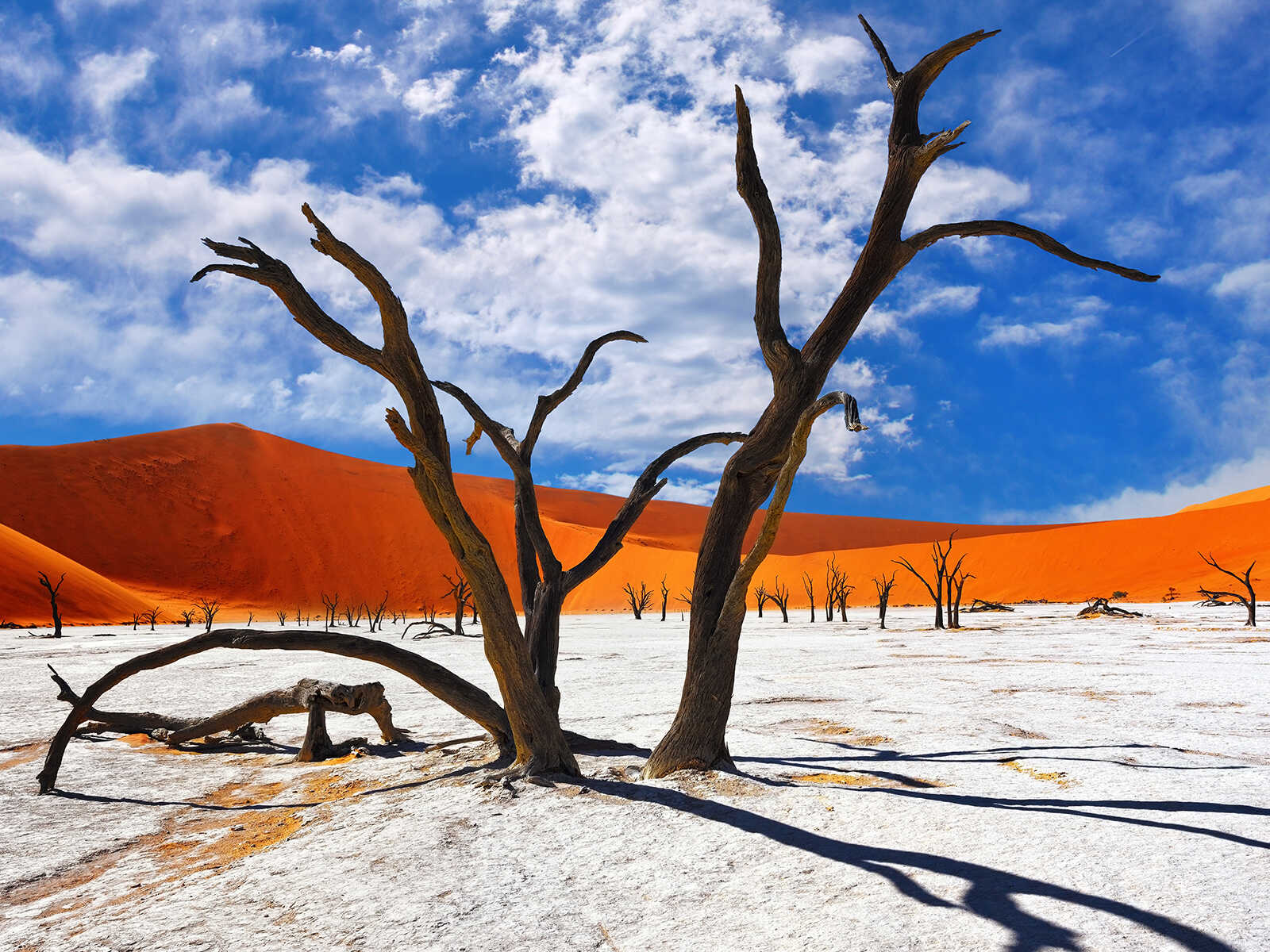
- Sossusvlei and Dune Climbing:The majestic dunes are spectacular year-round. Dry season mornings are often cooler for climbing. Wet season adds dramatic contrast with vibrant skies and occasional ephemeral water in the pan.
- Coastal Activities:Walvis Bay and Cape Cross(with its massive seal colony) have temperate climates and are excellent for marine wildlife and coastal excursions any time of year.
- Cultural Experiences:Exploring the ancient rock art of Damaraland or visiting local communities is largely unaffected by the seasons.
- Adventure Activities:Hiking and exploring areas like Spitzkoppe are often more pleasant in the cooler, drier months.
Essential Travel Tips for Namibia
- Book Ahead:Especially for the dry season, accommodations and safari tours fill up quickly.
- Pack Appropriately:Layers are key for both seasons, as temperatures can vary widely between day and night. Don't forget sun protection!
- Malaria Precautions:If traveling during the wet season, especially to northern areas, consult your doctor about anti-malarial medication and use insect repellent.
- Vehicle Choice:A 4x4 is highly recommended for self-drives, particularly during the wet season or if venturing off main routes.
- Stay Hydrated:Namibia's dry air means you need to drink plenty of water, regardless of the season.
Ultimately, Namibia's unique charm ensures an unforgettable journey regardless of when you visit. Both the dry and wet seasons present their own magnificent spectacles, promising an authentic African adventure filled with wonder and incredible wildlife encounters.