
Namibia Road Trip Planner: Self-Drive Routes & Expert Advice
Embarking on a self-drive adventure through Namibia offers unparalleled freedom to explore its vast, dramatic landscapes at your own pace. From towering red dunes to abundant wildlife, this southern African gem is a dream destination for independent travellers.
Why Namibia for a Self-Drive?
Namibia is uniquely suited for a self-drive itinerary. Its well-maintained gravel roads, sparse traffic, and clear signage make navigation relatively straightforward, even for first-timers. The sheer diversity of its natural beauty, from the ancient Namib-Naukluft National Park to the wildlife-rich Etosha National Park, unfolds majestically outside your window, offering a sense of true discovery.
Planning Your Namibia Road Trip
Best Time to Visit
The dry season, fromMay to October, is generally considered the best time for a Namibian road trip. Temperatures are milder, skies are clear, and wildlife congregates around waterholes, making game viewing particularly rewarding in places like Etosha National Park. The wet season (November-April) brings lush landscapes and migratory birds but also higher temperatures and occasional road closures due to rain.
Vehicle Choice
A4x4 vehicle is highly recommendedfor a Namibian self-drive. While many main routes are accessible with a 2WD, a 4x4 provides greater comfort, clearance, and safety on gravel roads, especially in more remote areas or when venturing off the main arteries towards destinations like Sossusvlei's deeper dunes. Many rental companies offer fully equipped 4x4s with rooftop tents, ideal for camping adventures.
Accommodation
Namibia boasts a range of accommodation options, from luxurious lodges and guesthouses to well-equipped campsites. Booking well in advance, especially during peak season, is crucial, particularly for popular spots within national parks or at sought-after destinations like Sossusvlei. Consider a mix of lodging and camping for a varied experience.
Packing Essentials
- Clothing:Layers are key – warm for cool mornings/evenings, light for hot days.
- Sun Protection:Hat, sunglasses, high-SPF sunscreen are non-negotiable.
- First-Aid Kit:Comprehensive kit for minor injuries and ailments.
- Photography Gear:Plenty of memory, spare batteries, and a good zoom lens for wildlife.
- Navigation:Offline maps (e.g., Maps.me, Google Maps offline) and a physical map.
- Vehicle Kit:Spare tire(s), basic toolkit, tire repair kit, air compressor (often provided by rental).
- Water & Snacks:Carry ample supplies, especially for long stretches between towns.
Essential Self-Drive Advice
Fuel & Supplies
Distances between towns and fuel stations can be vast.Always fill up your tank whenever you see a petrol station, even if it's only half-empty. Carry extra water (at least 5 litres per person per day) and non-perishable snacks, as amenities are scarce outside major centres.
Expert Tip:Many smaller fuel stations in remote areas may not accept credit cards. Always carry enough Namibian Dollars (NAD) or South African Rand (ZAR) cash for fuel and small purchases.
Road Conditions & Driving
Most roads outside major towns are gravel (dirt) roads. While generally well-maintained, they can be corrugated, sandy, or stony.Reduce your speedsignificantly on gravel roads to avoid losing control, especially around corners or when encountering oncoming traffic. Watch out for wildlife, particularly at dawn and dusk, as animals often cross roads unexpectedly. Avoid driving at night if possible.
Navigation & Communication
While offline maps are invaluable, a good old-fashioned paper map can be a lifesaver in areas with no signal. A reliable GPS device can also be helpful. Cell phone reception is limited outside major towns and along main highways. Consider renting a satellite phone for emergencies if venturing into very remote regions.
Safety & Security
Namibia is generally a safe country for tourists. However, standard precautions apply: keep valuables out of sight, lock your vehicle, and be aware of your surroundings, especially in urban areas like Windhoek or Swakopmund. Inform your accommodation or a contact person of your planned route and expected arrival times, especially when travelling to remote areas.
Popular Self-Drive Routes
The Classic Northern Loop (10-14 Days)
This route offers a fantastic blend of wildlife, culture, and dramatic landscapes.
- Windhoek:Start your journey in the capital. Explore the city, including the iconic Christuskirche.
- Etosha National Park:Head north for incredible wildlife viewing. Spend 2-3 days exploring the waterholes.
- Damaraland:Drive west to this rugged region known for desert-adapted elephants, ancient rock art at Twyfelfontein, and striking geological formations like Spitzkoppe.
- Swakopmund /Walvis Bay:Experience the Atlantic coast. Enjoy adventure activities in Swakopmund or visit Walvis Bay for flamingos, seals, and the towering Dune 7.
- Return to Windhoek:Depending on time, you can drive directly back or break the journey.
Southern Wonders (7-10 Days)
Focuses on Namibia's iconic desert landscapes and geological marvels.
- Windhoek:Begin your journey.
- Kalahari Desert:Head southeast towards the fringes of the Kalahari Desert for unique desert wildlife and red sand dunes.
- Fish River Canyon:Continue south to marvel at Africa's largest canyon, a truly awe-inspiring sight.
- Lüderitz:Drive to the quirky coastal town of Lüderitz, known for its German colonial architecture and nearby ghost town of Kolmanskop.
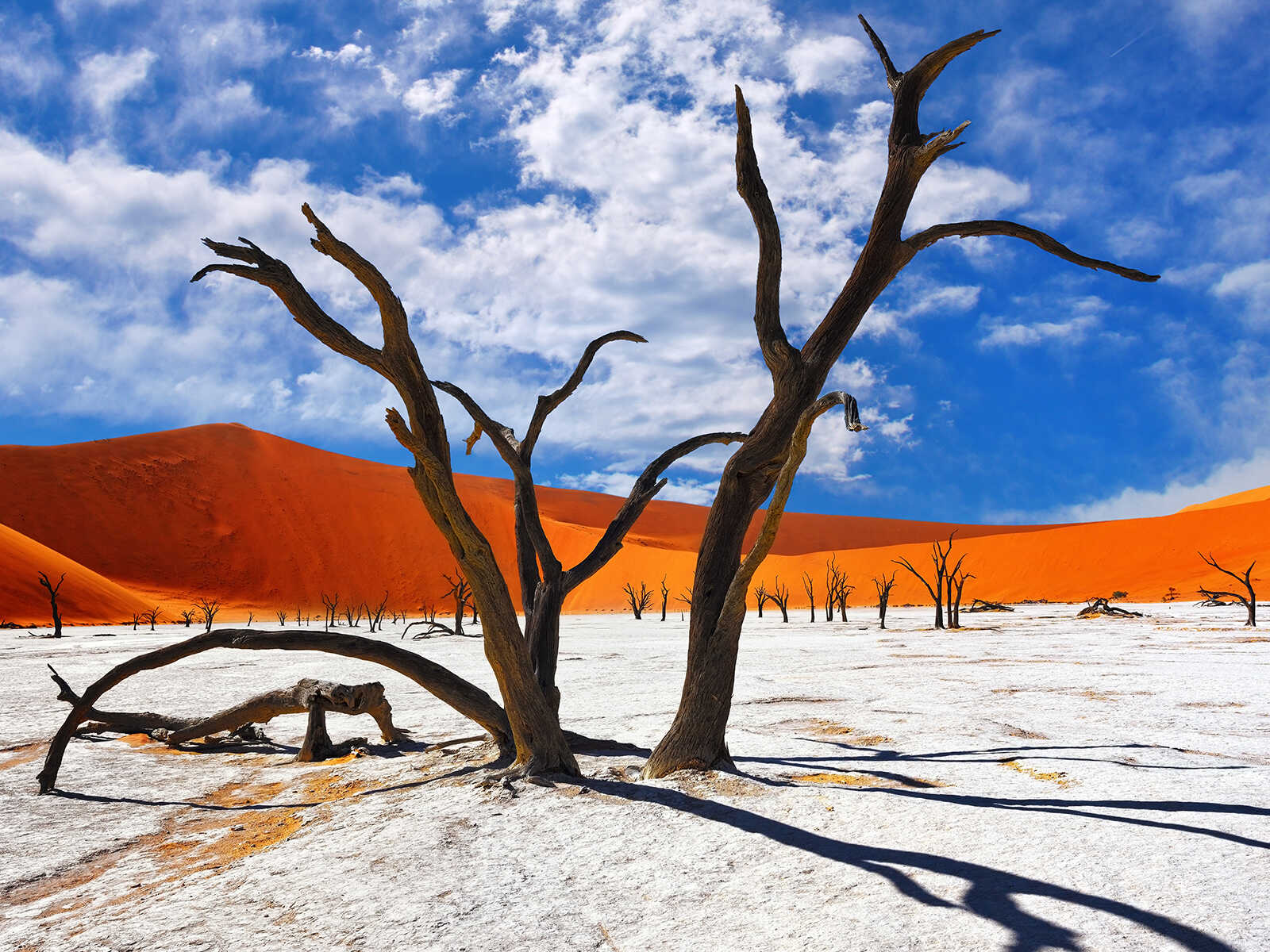
- Sossusvlei/Namib-Naukluft National Park:Head north into the heart of the Namib Desert to experience the monumental dunes of Sossusvlei and Deadvlei. Spend 2 days here to truly explore.
- Return to Windhoek:A longer drive, but with stunning scenery.
Desert & Coast Explorer (7-10 Days)
Combines the central desert with the wild Atlantic coast.
- Windhoek:Start your adventure.
- Sossusvlei/Namib-Naukluft National Park:Immerse yourself in the iconic red dunes of Sossusvlei and the vastness of the Namib-Naukluft National Park.
- Swakopmund /Walvis Bay:Transition from desert to ocean, enjoying the coastal towns and activities.
- Skeleton Coast or Cape Cross:Venture north along the infamous Skeleton Coast(note: permits often required for entry into certain parts) or visit the massive seal colony at Cape Cross.
- Return to Windhoek:Consider a stop at Spitzkoppe en route for its unique rock formations.
Beyond the Main Routes: Hidden Gems & Experiences
For those with more time or seeking unique detours:
- NamibRand Nature Reserve:A private conservation area offering exquisite desert scenery and some of the darkest night skies for stargazing.
- Okapuka Ranch:Located just outside Windhoek, it offers wildlife experiences and comfortable lodging, perfect for your first or last night.
- Hoba meteorite:Near Grootfontein, visit the largest known meteorite on Earth.
Conclusion
A self-drive road trip through Namibia is an unforgettable journey, offering an intimate connection with one of Africa's most stunning and diverse landscapes. With careful planning, the right vehicle, and an adventurous spirit, you'll uncover the magic of this incredible country at your own pace, creating memories to last a lifetime.