
Namibia Car Rental Guide: Choosing the Best Vehicle for Your Trip
Embarking on a self-drive adventure in Namibia is an unparalleled way to experience its vast landscapes, incredible wildlife, and stunning natural wonders. The freedom of the open road, however, comes with a crucial decision: selecting the right rental vehicle. Your choice of car will significantly impact your journey, dictating where you can go and how comfortably you’ll get there.
Why a Self-Drive Safari in Namibia?
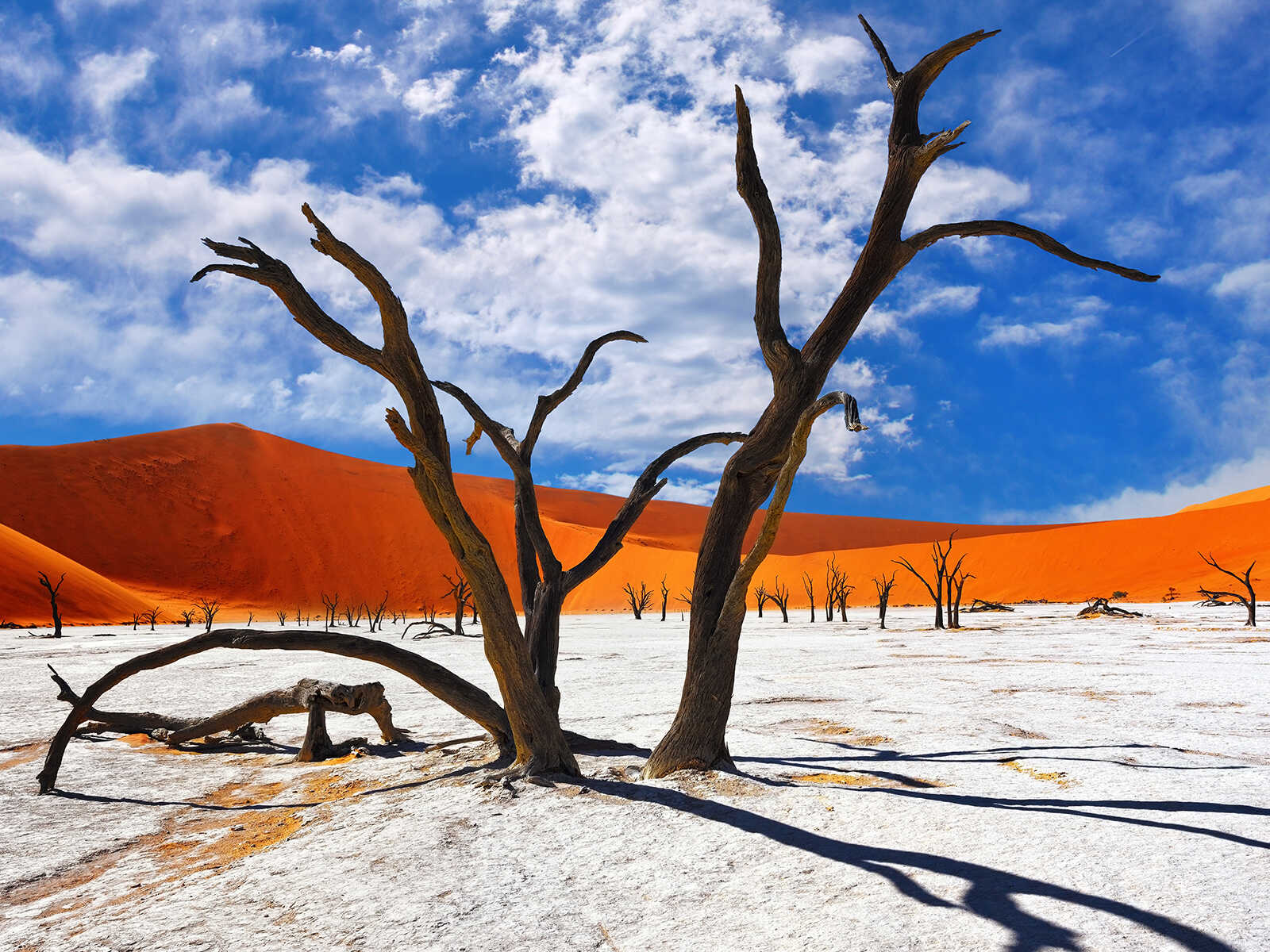
Namibia is a country tailor-made for exploration by road. A self-drive safari offers unmatched flexibility, allowing you to set your own pace, linger at captivating viewpoints, and deviate from the beaten path. It's an intimate way to connect with the desert's silence, encounter diverse cultures, and witness breathtaking sunsets in solitude. From the iconic red dunes of Sossusvlei to the wildlife-rich plains of Etosha National Park, the journey itself becomes an integral part of the adventure.
Understanding Namibia's Road Network
Before choosing a vehicle, it's essential to understand the country's diverse road conditions. Namibia's road network is generally well-maintained but varies significantly:
- Tarred (Paved) Roads:Primarily found between major towns like Windhoek, Swakopmund, and parts of the B1 highway. These roads are excellent and suitable for any vehicle.
- Gravel Roads (C & D Roads):These form the backbone of Namibia's tourist routes, connecting most national parks and attractions. While generally well-graded, they can become corrugated, sandy, or muddy, especially after rain. Constant vigilance and appropriate speed are crucial.
- Salt Roads:Common along the coast, particularly between Swakopmund and Walvis Bay. These are firm and smooth but can become slippery when wet.
- Deep Sand Tracks:Found in specific areas like the final stretch to Sossusvlei's Big Daddy dune parking, or within certain concessions like the NamibRand Naturreservat. These often require proper 4x4 capabilities and experience.
Key Factors When Choosing Your Rental Vehicle
Itinerary and Destinations
Your planned route is the most significant determinant for your vehicle choice. If you're sticking to the main tarred roads and popular, easily accessible sites (e.g., just Windhoek and a quick trip to Walvis Bay or Christuskirche), a 2WD sedan or crossover might suffice. However, to truly explore Namibia's iconic destinations:
- Desert Parks:For Namib-Naukluft National Park,Sossusvlei, and areas around Dune 7, a 4x4 is highly recommended, especially for accessing the deep sand parking at Sossusvlei.
- Northern Regions:Exploring Etosha National Park,Damaraland, and sites like Spitzkoppe involves extensive driving on gravel roads. A 4x4 offers superior comfort, safety, and capability.
- Southern Namibia:Reaching the Fish River Canyon or exploring the Kalahari Desert also means long stretches of gravel.
- Remote Areas:Destinations like the Skeleton Coast are often only accessible with specialized 4x4 vehicles, sometimes with permits and guides.
Number of Passengers and Luggage
Consider how many people will be traveling and the amount of luggage. Overpacking a small car can lead to discomfort and reduced visibility, especially on rough roads. Ensure there's ample space for everyone and their bags, plus any camping gear if applicable.
Travel Style (Camping vs. Lodging)
If you plan to camp, especially with rooftop tents, you'll need a vehicle that can accommodate this setup. Many 4x4 rentals come fully equipped with camping gear, kitchens, and rooftop tents, making them an ideal choice for an immersive outdoor experience.
Driving Experience
While driving in Namibia is generally straightforward, navigating long gravel roads, dealing with corrugations, and potentially driving through sand or mud requires some confidence. If you're unfamiliar with driving on unpaved surfaces or operating a 4x4, consider practicing before your trip or opting for a tour with a driver.
Time of Year
Namibia's rainy season (roughly November to April, peaking January to March) can transform gravel roads into muddy, challenging tracks. During this time, a 4x4 becomes even more indispensable for accessing certain areas and for overall safety.
Types of Rental Vehicles for Namibia
2WD Sedans/Compact SUVs
- Pros:Most economical, fuel-efficient, comfortable on tarred roads.
- Cons:Low ground clearance, prone to punctures on gravel, not suitable for most national parks or corrugated roads. Limited luggage space.
- Best for:Trips focused exclusively on tarred routes between major towns (e.g., Windhoek to Swakopmund, visiting sites like Christuskirche within cities), or short, very well-maintained gravel stretches in dry conditions.
2WD High-Clearance Vehicles (e.g., Crossover SUVs)
- Pros:Better ground clearance than sedans, more robust for gravel roads than a standard car, good comfort.
- Cons:Still lacks 4x4 capability for deep sand or very challenging terrain. Can struggle on severely corrugated roads.
- Best for:Travelers sticking to main gravel roads (C-roads) in dry conditions, who don't plan to venture into deep sand or very remote areas.
4x4 SUVs
This is often the recommended choice for a comprehensive Namibian adventure.
- Pros:Superior ground clearance, robust suspension for corrugated roads, ability to engage 4WD for sandy tracks (e.g., the last 5km to Sossusvlei's parking area or inside Etosha National Park), enhanced safety and comfort on all but the most extreme terrain. Available as single or double cabs, offering flexibility for passengers and luggage/gear.
- Cons:Higher rental cost, higher fuel consumption, can be more challenging to drive for inexperienced drivers on gravel.
- Best for:Almost all Namibian itineraries, including national parks,Damaraland, and remote lodges. Essential for peace of mind and access to the country's most spectacular sites.
Fully-Equipped 4x4 Campers (with Rooftop Tents)
- Pros:All-in-one solution for camping safaris, includes all necessary camping gear, kitchen equipment, and often a rooftop tent. Offers maximum flexibility for spontaneous stops and immersing yourself in nature.
- Cons:Can be bulky and challenging to maneuver for beginners, often the most expensive option, and requires more planning for campsites.
- Best for:Adventurous travelers who want to camp throughout their trip and have a fully self-sufficient experience.
Essential Considerations Beyond the Vehicle
Insurance
Always opt for the most comprehensive insurance cover available, preferably with zero excess or minimal excess. Standard insurance often doesn't cover damages incurred on gravel roads, undercarriage damage, or multiple tire punctures – all common occurrences in Namibia. Read the fine print carefully!
Spare Tyres and Repair Kits
Most reputable 4x4 rentals come with two spare tyres and a basic tire repair kit. This is absolutely critical due to the prevalence of punctures on gravel roads. Know how to change a tyre before you go!
Fuel and Range
Distances between fuel stations can be vast, especially in areas like the Kalahari Desert or en route to the Skeleton Coast. Always fill up your tank when you have the opportunity, and consider carrying an extra jerry can for longer, more remote stretches.
Navigation and Communication
A reliable GPS (downloaded offline maps are best, as mobile signal is sparse) and detailed paper maps are essential. A local SIM card is useful for towns, but don't rely on it elsewhere. For very remote travel, a satellite phone can be a lifesaver.
Roadside Assistance
Confirm what kind of roadside assistance your rental company offers and their response times, especially for breakdowns in remote areas.
Driving Safely in Namibia
Tip for Namibian Roads:Always reduce your speed significantly on gravel roads, especially when approaching bends, hills, or other vehicles. Dust reduces visibility to near zero, and corrugations can cause loss of control. Wildlife, both domestic and wild, can appear suddenly on roads, so drive defensively.
Booking Your Namibia Car Rental
Book your vehicle well in advance, especially if traveling during peak season (June to October). This ensures availability and often better rates. Compare offers from several reputable rental companies, carefully scrutinizing their terms, insurance policies, and what's included (e.g., mileage limits, cross-border permits, equipment).
Choosing the best vehicle for your Namibian adventure is a critical step in planning an unforgettable journey. By considering your itinerary, group size, and desired level of comfort and access, you can ensure your chosen wheels are perfectly suited to tackle the diverse and awe-inspiring landscapes of Namibia.