
Most Instagrammable Places in Namibia: Iconic Photo Spots
Namibia, a land of dramatic landscapes and breathtaking vistas, is a dream destination for photographers and Instagram enthusiasts alike. From towering red dunes to vast wildlife plains and ethereal coastal scenes, every turn offers an iconic photo opportunity waiting to be captured.
Prepare your lenses and pack your sense of adventure, as we guide you through Namibia's most visually stunning locations, ensuring your feed is filled with unforgettable moments from this incredible country.
The Majestic Dunes of Sossusvlei & Deadvlei
Undoubtedly the crown jewel of Namibian photography, the Sossusvlei region within the Namib-Naukluft National Park offers landscapes found nowhere else on Earth. The iconic towering red dunes, sculpted by millennia of wind, create a mesmerizing backdrop for truly epic shots.
Deadvlei: An Ancient Oasis Frozen in Time
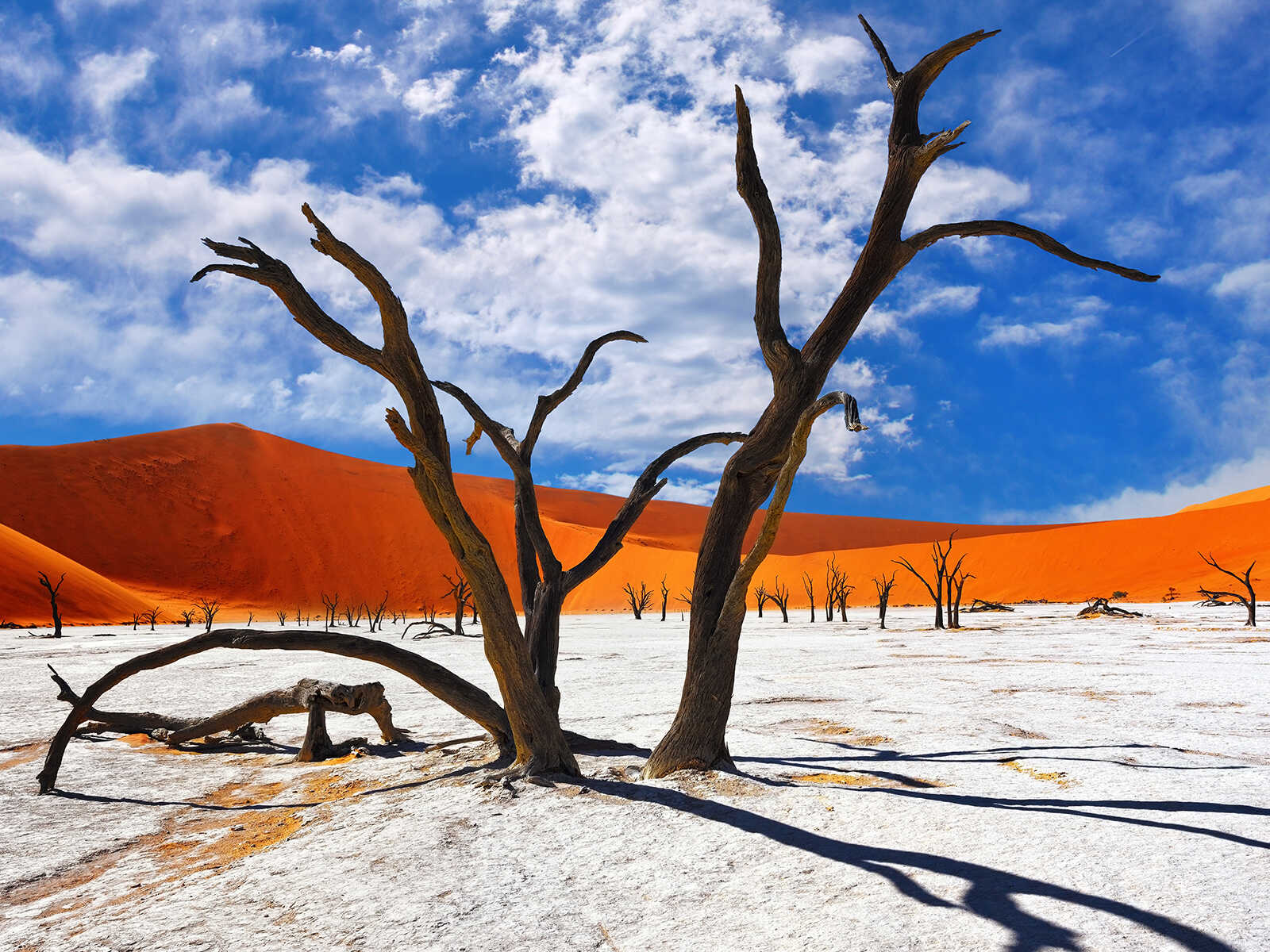
The stark beauty of Deadvlei is unparalleled. Here, ancient camel thorn trees, preserved by the arid climate, stand silhouetted against a cracked white pan and the vibrant orange dunes. Sunrise and sunset are the prime times to visit, as the shifting light creates dramatic shadows and intense colors. Focus on capturing the contrast between the dark trees, the white clay, and the fiery dunes, playing with perspective to emphasize the scale.
Big Daddy and Dune 45: Iconic Climbs and Views
For those seeking panoramic views, climbing "Big Daddy," one of the tallest dunes in the world, offers an incredible reward. From its summit, the endless expanse of the Namib Desert stretches before you, an awe-inspiring spectacle.Dune 45, easily accessible along the main road, is another popular spot for its perfect photographic shape and relatively easier ascent, ideal for capturing the sunrise's first rays painting the desert gold.
Photography Tip:Use a wide-angle lens to capture the vastness of the dunes, and don't forget a telephoto lens to compress perspectives and highlight distant features or wildlife.
Coastal Wonders: Where Desert Meets Ocean
Namibia's coast is a dramatic collision of the world's oldest desert and the wild Atlantic Ocean, creating unique and often eerie photographic opportunities.
Walvis Bay's Lagoon: A Birdwatcher's Paradise
The lagoon at Walvis Bay is a designated Ramsar site, famous for its enormous flocks of flamingos, pelicans, and other migratory birds. The vibrant pink against the serene blue waters, with distant salt pans, makes for stunning compositions. Capture the birds in flight, feeding, or simply reflected in the calm waters during golden hour for truly memorable shots.
Dune 7: The Playground Dune
Near Swakopmund,Dune 7 stands as a massive sand mountain, inviting adventurers and photographers alike. While perhaps not as remote as Sossusvlei, its sheer size and accessibility make it a fantastic spot for capturing grand desert landscapes or people enjoying sandboarding and quad biking, adding a human element to your shots.
Skeleton Coast: Eerie Beauty and Shipwrecks
The enigmatic Skeleton Coast lives up to its name with its fog-shrouded shores, desolate beauty, and haunting shipwrecks. Capturing the remains of vessels slowly reclaimed by the desert and ocean evokes a sense of timelessness and mystery. Further north, the massive seal colony at Cape Cross offers incredible wildlife photography, with thousands of Cape fur seals creating a bustling, if pungent, spectacle.
Wildlife & Wilderness: Etosha and Beyond
For wildlife enthusiasts, Namibia offers unparalleled opportunities to photograph magnificent animals in their natural habitats.
Etosha National Park: The Great White Place
Etosha National Park is renowned for its vast salt pan, which creates a shimmering, otherworldly backdrop, especially during the dry season. The park's numerous waterholes are magnets for wildlife, offering incredible close-up opportunities to photograph elephants, rhinos, lions, zebras, and giraffes. Patience is key here; set up at a waterhole and wait for the magic to unfold.
Damaraland: Desert-Adapted Wildlife
The rugged, arid landscapes of Damaraland are home to unique desert-adapted elephants and rhinos. Photographing these resilient creatures against the dramatic rocky outcrops and dry riverbeds provides a striking contrast and a testament to their survival. The ancient rock art at Twyfelfontein also offers a glimpse into Namibia's rich history, providing a different kind of cultural photo opportunity.
NamibRand Nature Reserve: A Stargazer's Dream
Designated as an International Dark Sky Reserve, the NamibRand Naturreservat offers some of the clearest night skies on Earth. Capturing the Milky Way stretching across the desert, with minimal light pollution, is an unforgettable photographic experience. Daytime also offers vast, untouched landscapes with subtle shifts in color.
Okapuka Ranch: Rhino Encounters
Just outside Windhoek,Okapuka Ranch provides a more accessible opportunity to photograph rhinos and other plains game. Its diverse habitats offer varied backdrops for wildlife photography, including savannah and rocky hills.
Geological Marvels & Ancient Landscapes
Namibia's geological formations are as ancient as they are breathtaking, offering incredible textures and shapes for your lens.
Spitzkoppe: The Matterhorn of Namibia
The granite inselberg of Spitzkoppe rises dramatically from the flat plains, resembling a natural cathedral. Its unique rock formations, natural arches, and ancient San rock art make it a photographer's playground. Capture the sunrise or sunset painting the rocks in warm hues, or experiment with astrophotography against its silhouette.
Fish River Canyon: Africa's Grand Canyon
The Fish River Canyon is the largest canyon in Africa and one of the largest in the world. Its sheer scale and dramatic geological layers create a powerful landscape. Find viewpoints that showcase its immense depth and intricate patterns, especially during the golden hours when shadows define its contours.
Kalahari Desert: The Red Sands
While often associated with Botswana, a significant portion of the Kalahari Desert stretches into eastern Namibia. Here, the landscape transforms into rolling red dunes, dotted with camel thorn trees and unique desert flora. The vibrant color of the sand, especially against a blue sky, provides a striking contrast and a different desert aesthetic from the Namib.
Urban & Cultural Snapshots
Beyond the wilderness, Namibia's towns offer their own unique photographic appeal.
Christuskirche, Windhoek: A Colonial Landmark
The Christuskirche(Christ Church) in Windhoek is an iconic landmark. Its neo-Romanesque architecture with Art Nouveau elements stands out against the modern cityscape, offering a charming subject for architectural photography, especially when framed against the clear Namibian sky.
Essential Photography Tips for Namibia
To maximize your photographic success in Namibia, consider these practical tips:
- Golden Hour is Gold:Always prioritize shooting during sunrise and sunset. The soft, warm light enhances colors and creates dramatic shadows, especially in the desert.
- Protect Your Gear:Dust is ubiquitous in Namibia. Carry dust-proof bags for your camera and lenses, and use a blower brush frequently.
- Bring the Right Lenses:A wide-angle lens (16-35mm) is essential for landscapes, while a telephoto lens (70-200mm or longer) is crucial for wildlife.
- Tripod is Your Friend:For low-light shots (sunrise/sunset, astrophotography) and sharp landscape images, a sturdy tripod is indispensable.
- Patience and Respect:Especially when photographing wildlife, be patient, keep your distance, and respect their natural behavior.
- Capture Scale:Include a human figure or a vehicle in your landscape shots to emphasize the immense scale of Namibia's natural wonders.
Namibia truly is a photographer's paradise, offering an unparalleled diversity of landscapes and subjects. From the ancient dunes of Sossusvlei to the wildlife-rich plains of Etosha and the mystical Skeleton Coast, every corner of this country promises an iconic shot for your collection. Prepare to be inspired and capture the raw, untamed beauty of Africa.