
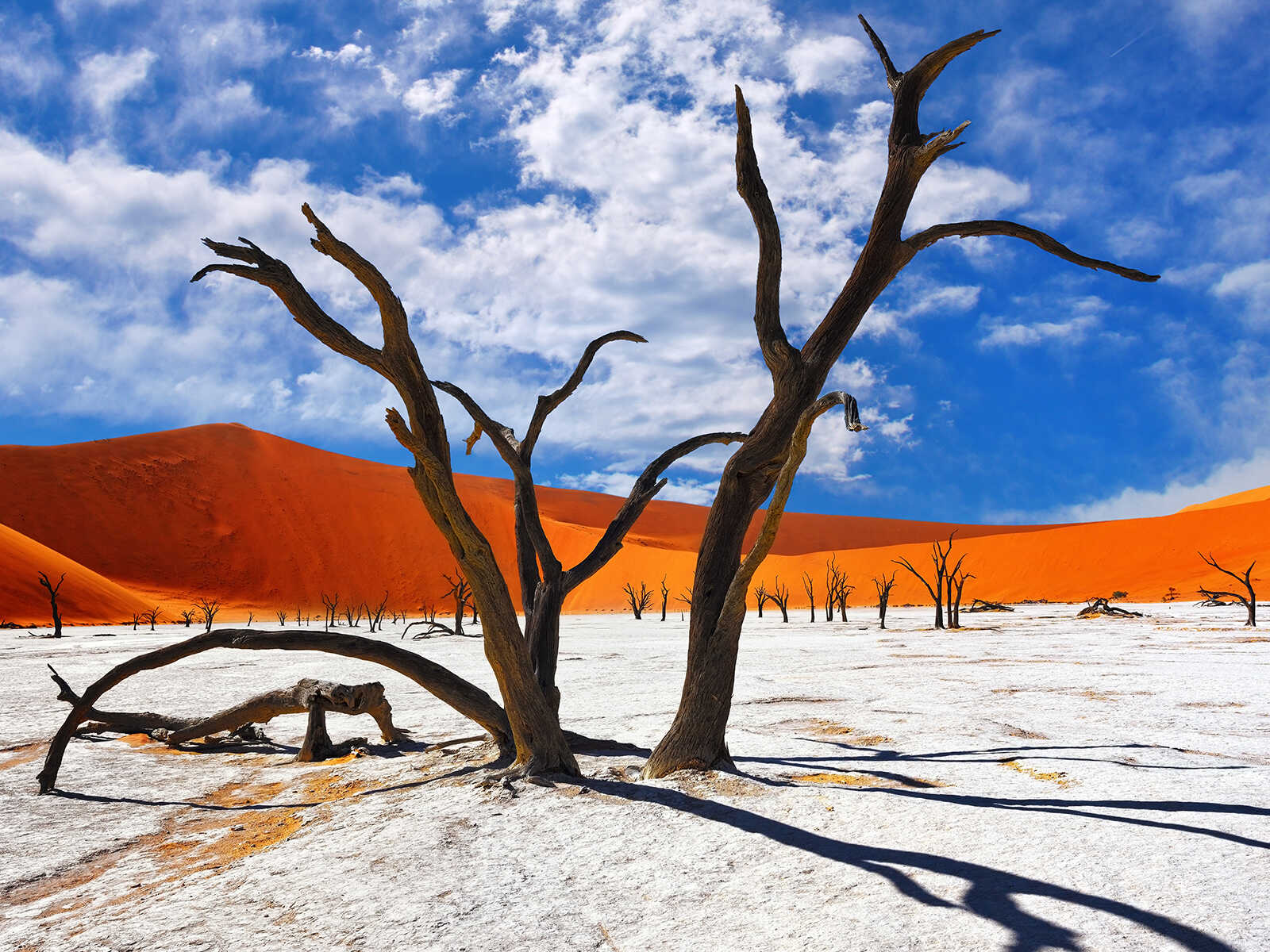
Is Namibia Safe for Tourists? Essential Safety Tips for Travelers
Namibia, with its vast deserts, stunning wildlife, and unique cultural experiences, beckons adventurers from around the globe. While generally considered one of Africa's safer destinations, like any travel, a trip to Namibia requires awareness and preparation. This guide will provide essential safety tips to ensure your Namibian adventure is both unforgettable and secure.
Overall Safety Assessment: A Haven of Tranquility
Namibia enjoys a reputation as a stable and relatively safe country for tourists. Its sparse population and focus on high-value, low-impact tourism contribute to a generally peaceful environment. Serious crime against tourists is rare, particularly outside of urban centers. However, travelers should still exercise caution and employ common-sense safety practices, much like they would in any unfamiliar destination.
Did you know?Namibia is one of the least densely populated countries in the world, offering immense open spaces perfect for self-drive adventures.
Common Safety Concerns & How to Mitigate Them
Petty Crime: Being Street Smart in Urban Areas
While the wilderness areas are remarkably safe, petty crime like pickpocketing, bag snatching, and vehicle break-ins can occur in larger towns and cities such as Windhoek, Swakopmund, and Walvis Bay. These incidents are usually opportunistic rather than violent.
- Secure Valuables:Keep passports, significant cash, and expensive electronics out of sight. Use hotel safes when available.
- Be Aware of Your Surroundings:Pay attention, especially in crowded markets or bus stations. Avoid walking alone at night in poorly lit areas.
- Vehicle Security:Never leave valuables visible in your car. Always lock doors and roll up windows, even when driving. Be cautious of "smash-and-grab" incidents.
- ATMs:Use ATMs during daylight hours, preferably inside banks or shopping centers. Be wary of anyone offering unsolicited help.
Road Safety & Driving in Namibia: Navigating the Vast Landscapes
Many travelers opt for self-drive tours to explore Namibia's incredible landscapes, from the iconic dunes of Sossusvlei to the wildlife-rich Etosha National Park. While incredibly rewarding, driving here comes with unique challenges.
- Road Conditions:Most roads outside major towns are gravel. These can be unpredictable, with corrugations, loose stones, and sharp turns. Reduce speed significantly on gravel roads.
- Wildlife on Roads:Animals, both wild and domestic, frequently cross roads, especially at dawn, dusk, and night. Collisions with wildlife are a significant hazard. Drive defensively and avoid driving at night if possible. This is particularly true near Etosha National Park,Damaraland, and the Kalahari Desert.
- Long Distances & Fatigue:Journeys between attractions can be very long. Plan your itinerary to allow for sufficient rest stops and avoid driving while tired.
- Fuel & Spares:Fuel stations can be far apart. Always fill up when you have the opportunity. Carry at least two spare tires, a jack, and basic tools, as punctures are common on gravel roads.
- Inform Others:If undertaking a remote journey (e.g., to Skeleton Coast or Fish River Canyon), inform your accommodation or a trusted contact of your route and estimated arrival time.
Wildlife Encounters: Respecting the Wild
Namibia is a premier safari destination, offering incredible opportunities to see diverse wildlife. While thrilling, interactions with wild animals require respect and caution.
- Follow Park Rules & Guide Instructions:Always adhere to regulations in national parks like Etosha National Park or private reserves like NamibRand Nature Reserve. If on a guided safari, listen carefully to your guide; they are experts in animal behavior.
- Stay in Your Vehicle:In areas with dangerous wildlife, remain inside your vehicle unless in designated safe zones. Never approach wild animals on foot.
- Do Not Feed Animals:Feeding wildlife habituates them to humans, which can lead to aggressive behavior and is detrimental to their natural instincts.
- Camping Safety:If camping in unfenced areas, be aware of your surroundings, store food securely, and use a strong tent.
Health & Medical Safety: Prioritizing Well-being
Ensuring your health is paramount for an enjoyable trip.
- Malaria:Malaria risk exists, particularly in the far north (Kunene, Kavango, Zambezi regions) and during the rainy season (November to April). Consult your doctor about anti-malarial medication. Always use mosquito repellent, sleep under nets, and wear long sleeves and trousers at dusk.
- Sun Protection & Hydration:The Namibian sun is intense. Use high-SPF sunscreen, wear a wide-brimmed hat, and sunglasses. Drink plenty of water to prevent dehydration, especially when exploring arid regions like the Namib-Naukluft National Park or Kalahari Desert.
- Food & Water:Drink bottled or filtered water. Be cautious with street food; stick to reputable restaurants. Wash hands frequently.
- Travel Insurance:Comprehensive travel insurance is non-negotiable. Ensure it covers medical emergencies, evacuations, and any adventurous activities you plan.
- First Aid Kit:Carry a basic first aid kit with essentials like pain relievers, antiseptic wipes, bandages, and any personal medications.
Natural Hazards: The Desert's Demands
Namibia's stunning natural environment, while beautiful, can also present challenges if unprepared.
- Extreme Temperatures:Daytime temperatures, especially in the desert, can be very high. Night-time temperatures can drop significantly. Pack appropriate clothing for both extremes.
- Getting Lost:The vast, sparsely populated landscapes mean it's easy to get lost if you stray from marked paths. Stick to established routes, especially in areas like Dune 7 or Spitzkoppe. Consider hiring a local guide for remote expeditions.
- Flash Floods:During the rainy season, dry riverbeds (riviers) can quickly become raging torrents. Never attempt to cross a flooded riverbed.
Essential Safety Tips for a Smooth Trip
- Stay Informed:Check your government's travel advisories before and during your trip. Follow local news for any developments.
- Respect Local Culture:Namibia is a diverse country with various ethnic groups. Dress modestly in conservative areas, especially when visiting religious sites. Ask for permission before taking photos of people.
- Emergency Contacts:Save local emergency numbers (Police: 10111, Ambulance: 211111) and your embassy's contact details in your phone.
- Communication:Mobile network coverage can be patchy outside of towns. Consider a local SIM card for better coverage. For very remote areas, a satellite phone might be a wise investment.
- Trust Your Instincts:If a situation or person feels off, politely remove yourself.
- Responsible Tourism:Support ethical tour operators and accommodations that prioritize safety and sustainability.
Why Namibia is Worth the Trip
Despite the necessary precautions, Namibia remains an extraordinary and incredibly rewarding travel destination. Its unparalleled natural beauty, from the ancient dunes of Sossusvlei to the dramatic Fish River Canyon, combined with unique wildlife viewing and a welcoming atmosphere, makes it a truly unique experience. By being prepared and following these safety guidelines, you can confidently explore this incredible country and create memories that will last a lifetime.
Traveling safely in Namibia is largely about preparation, awareness, and respecting both the people and the powerful natural environment. Armed with these tips, you're ready for an unforgettable adventure!