
Geology of Namibia: Uncovering Deserts, Canyons & Unique Landscapes
Namibia's landscapes are a testament to billions of years of geological activity, shaping a land of dramatic contrasts. From ancient deserts to colossal canyons and towering inselbergs, its geology tells a compelling story of continental shifts, volcanic eruptions, and relentless erosion. Discover how these forces have sculpted one of Africa's most visually stunning countries.
Namibia's Deep Geological Story
Namibia sits on one of Earth's oldest continental crusts, a cornerstone of the ancient supercontinent Gondwana. The dramatic rifting that tore Gondwana apart, combined with millennia of wind and water erosion, has left behind an extraordinary geological legacy. Understanding this deep history enhances any visit to this captivating nation, revealing the powerful forces that continue to shape our planet.
The Namib Desert: A Sand Sea Forged by Time
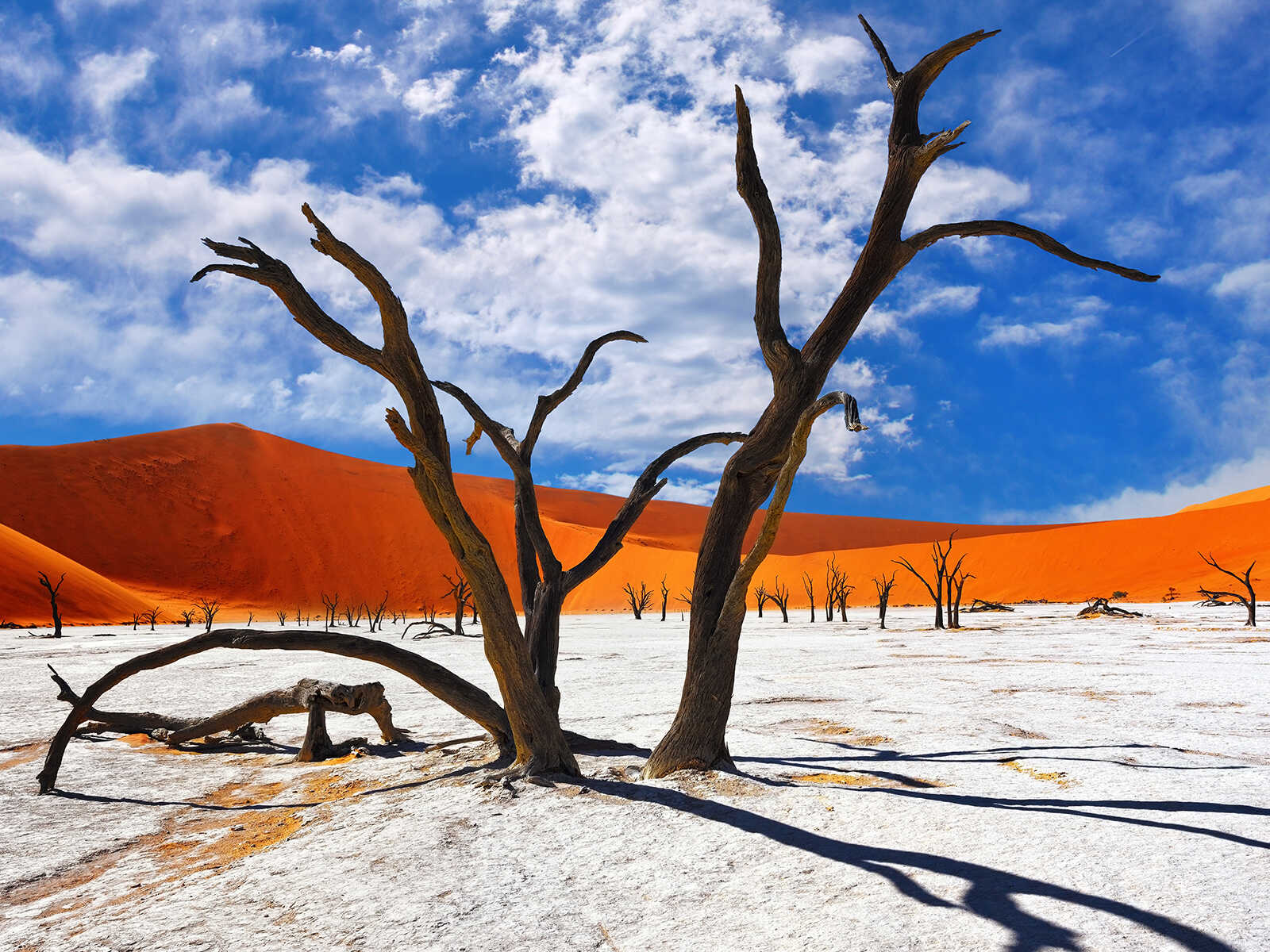
The Namib-Naukluft National Park is home to the world's oldest desert, the Namib, a name meaning "vast place." Its iconic red dunes are a result of iron oxidation and millennia of wind-blown sand primarily carried north from the Orange River. This sand, originating from the Drakensberg mountains, has been deposited over millions of years, forming colossal dunes that stretch for hundreds of kilometers.
The most famous of these are found in Sossusvlei, where monumental star dunes rise dramatically from the desert floor, some reaching over 300 meters in height. Nearby,Dune 7 near Walvis Bay offers another impressive example of these wind-sculpted giants. The unique coloration of the sand, ranging from pale yellow near the coast to deep terracotta inland, reflects its varied mineral composition and age.
The NamibRand Naturreservat showcases a diverse range of desert landforms, including gravel plains, inselbergs, and vegetated dunes, demonstrating the complex interplay of geology, climate, and ecology. The desert's edge also meets the Atlantic Ocean, creating the unique fog belt crucial for much of the desert's life.
Did you know? The red color of the Namib Desert's dunes comes from a thin layer of iron oxide (rust) coating the quartz sand grains, which intensifies with age and exposure to the elements.
Canyons and Escarpments: Sculpted by Water and Tectonics
Beyond the dunes, Namibia's geological story unfolds in its monumental canyons. The Fish River Canyon, the second-largest canyon in the world, is a spectacular testament to both tectonic uplift and prolonged river erosion. Over 500 million years ago, the region experienced significant faulting and subsidence, creating the initial rift. Subsequently, the Fish River, carving its way through ancient shales and quartzites, deepened and widened this fissure over millions of years. Its sheer scale and dramatic bends offer breathtaking vistas, revealing layers of Earth's history.
The Great Escarpment, running roughly parallel to the coast, is another defining geological feature. This abrupt rise in elevation separates the coastal desert from the central plateau, influencing rainfall patterns and creating distinct ecological zones. It's a key element in understanding Namibia's diverse climates and landscapes, including the transition to the more savanna-like Kalahari Desert further east.
Volcanic Activity and Ancient Intrusions
Namibia's geological past is also marked by significant igneous activity. Ancient volcanic eruptions and subsequent intrusions of magma have left behind remarkable formations.Spitzkoppe, often called the "Matterhorn of Namibia," is a magnificent example of a granite inselberg, a remnant of a larger granitic intrusion that solidified underground millions of years ago. Over time, the softer surrounding rock eroded away, leaving this dramatic, smooth-domed peak exposed.
The Damaraland region, in particular, is a treasure trove of these geological wonders. Here, you'll find evidence of ancient volcanic pipes, basaltic lavas, and other igneous and metamorphic rocks that tell a story of intense geological forces. The Brandberg Massif, Namibia's highest mountain, is another colossal granitic intrusion, providing a stark contrast to the surrounding desert plains.
Minerals and Resources: Namibia's Hidden Wealth
Namibia's rich geological heritage extends to its significant mineral wealth. The coastal regions, particularly along the Skeleton Coast, are famed for their diamond deposits. These diamonds originated far inland, carried by the Orange River to the Atlantic Ocean, and then transported northwards by the Benguela Current and onshore by prevailing winds, concentrating them in ancient beach terraces. This unique geological process has made Namibia a significant global diamond producer. Beyond diamonds, the country is rich in uranium, zinc, copper, and gold, all testament to its complex and ancient geology.
Unique Geological Phenomena
Namibia also hosts some truly unique geological features. The Hoba meteorite, the largest known single meteorite on Earth, lies near Grootfontein. Its nickel-iron composition and immense size (estimated at over 60 tons) make it a fascinating extraterrestrial visitor, impacting the Earth approximately 80,000 years ago and preserved by the country's dry climate.
Another intriguing phenomenon, though still debated between geological and ecological explanations, are the mysterious Fairy Circles. These circular barren patches surrounded by rings of grass are found predominantly in the Namib Desert, creating striking patterns that puzzle scientists to this day.
Experiencing Namibia's Geology
To truly appreciate Namibia's geological grandeur, consider guided tours that delve into the specifics of rock formations and landscapes. Whether you're hiking in the Fish River Canyon, climbing the dunes of Sossusvlei, exploring the ancient rocks of Damaraland, or marveling at Spitzkoppe, the sheer scale and beauty of these formations are awe-inspiring. Remember to bring plenty of water, sun protection, and a camera to capture these incredible natural wonders. Respect the delicate ecosystems and always adhere to local park regulations to preserve these ancient landscapes for future generations.
Conclusion
Namibia's geology is far more than just rocks and sand; it's the very foundation of its identity, shaping its climate, ecosystems, and cultural history. From the shifting sands of the Namib to the monumental cliffs of its canyons and the ancient intrusions that punctuate its plains, the country offers an unparalleled journey through Earth's deep time. Exploring these landscapes is not just a visual feast, but an educational adventure into the powerful forces that continue to shape our planet.