
Exploring the Kalahari Desert in Namibia: Landscapes & Local Life
Often perceived as a vast, barren expanse, the Kalahari Desert in Namibia is in fact a vibrant, living landscape brimming with unique wildlife and ancient cultures. This semi-arid savannah, characterized by its iconic red sands and sparse vegetation, offers a profoundly different experience from the coastal dunes of the Namib, inviting travelers to discover its hidden depths and the resilience of life within its borders.
Understanding the Kalahari: More Than Just a Desert
While its name suggests a traditional desert, the Kalahari is more accurately described as a "fossil desert" or a vast semi-arid savannah. Unlike the hyper-arid Namib-Naukluft National Park with its towering dunes at Sossusvlei, the Kalahari receives enough rainfall to support a surprising array of plant and animal life, especially during the summer months. Its distinctive landscape is shaped by ancient geological processes, featuring stable longitudinal dunes covered by vegetation, vast grasslands, and remnants of old riverbeds that occasionally flow after heavy rains, transforming the scenery into a temporary oasis.
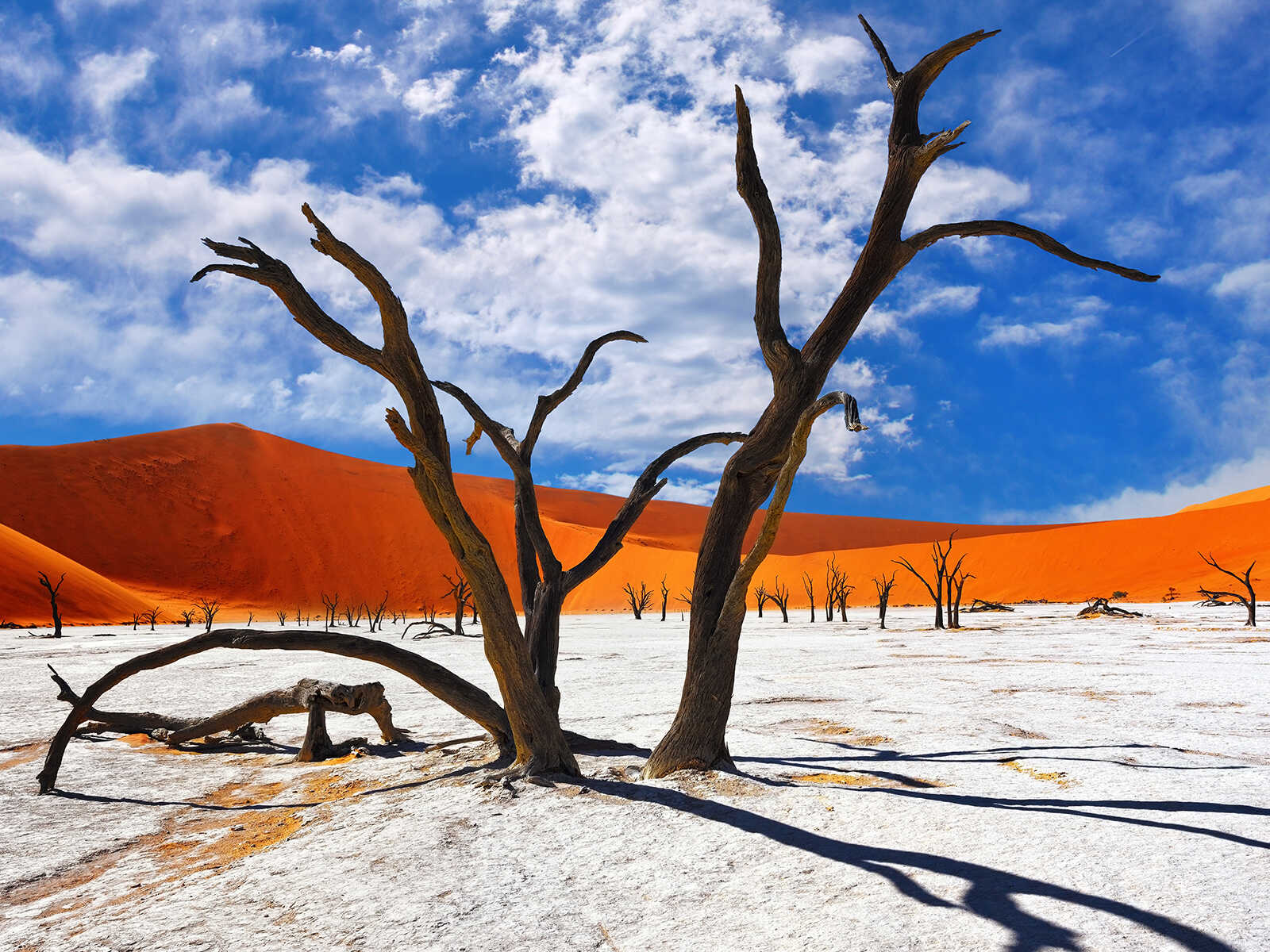
The Kalahari's iconic red sands are rich in iron oxide, giving the landscape its distinctive fiery hue. These aren't shifting dunes like those found in the Namib, but rather ancient, stabilized formations covered by hardy grasses and acacia trees.
Diverse Landscapes of Namibia's Kalahari
The Namibian portion of the Kalahari is a tapestry of varied ecosystems, each contributing to its unique character:
- Red Dunes:The most recognizable feature, these fossil dunes stretch for miles, their slopes softened by grasses, shrubs, and acacia trees. They are a stark contrast to the barren, wind-sculpted dunes closer to the Atlantic coast, such as those near Dune 7.
- Savannah Grasslands:Expansive plains covered in golden grasses define much of the Kalahari, providing grazing for large herds of antelope. These areas pulse with life after seasonal rains.
- Salt Pans & Ancient Riverbeds:Scattered throughout are vast salt pans and dry riverbeds, like the Auob and Nossob, which only flow intermittently. These ephemeral water sources are critical for wildlife, especially during the dry season.
- Kalahari Acacia-Baikiaea Woodlands:In certain areas, denser woodlands of camel thorn (Acacia erioloba) and Kalahari apple-leaf (Lonchocarpus nelsii) trees provide shade and shelter, attracting a different set of species. While different in flora, the conservation efforts here share parallels with those at the NamibRand-Naturreservat.
Wildlife Encounters in a Semi-Arid World
Life in the Kalahari is a testament to adaptation. Animals here have evolved remarkable strategies to survive the heat and aridity. Game viewing, while perhaps less concentrated than in Etosha National Park, offers a more intimate and often solitary experience, allowing for observation of unique behaviors.
Iconic Kalahari Species:
- Oryx (Gemsbok):The quintessential desert antelope, easily identifiable by its striking black and white markings and long, spear-like horns. They can go for long periods without drinking water, relying on moisture from plants.
- Springbok:Agile and graceful, these smaller antelopes are known for their distinctive "pronking" display.
- Meerkats:These charismatic creatures are a delight to watch as they stand sentinel, foraging, and interacting in their family groups.
- Predators:The Kalahari is home to formidable predators, including cheetahs, lions (particularly the black-maned Kalahari lion), leopards, and the elusive brown hyena. Night drives can offer glimpses of nocturnal hunters.
- Birdlife:A surprising diversity of birds, from impressive raptors like the martial eagle to ground-dwelling ostriches and bustards, thrive here.
The best time for wildlife viewing generally aligns with the dry season (May to October), when animals congregate around dwindling water sources. However, the rainy season brings lush landscapes and newborn animals, offering a different kind of photographic opportunity.
The San People: Guardians of Ancient Knowledge
For thousands of years, the San people, often referred to as Bushmen, have been the traditional inhabitants of the Kalahari. Their deep understanding of this seemingly harsh environment is unparalleled, making them true masters of survival. Their culture is rich in oral tradition, intricate tracking skills, and a profound respect for nature.
Engaging with the San people offers a unique cultural immersion. Ethical tourism initiatives allow visitors to learn about their ancient hunter-gatherer lifestyle, traditional plant uses for medicine and food, and their fascinating storytelling. These experiences provide invaluable insights into a heritage that has endured for millennia, a stark contrast to the modern developments seen in places like Walvis Bay or around historical landmarks like Christuskirche.
Experiences and Activities in the Kalahari
A visit to the Namibian Kalahari promises a range of authentic experiences:
- Game Drives:Both day and night drives offer opportunities to spot wildlife. Night drives are particularly exciting for observing nocturnal animals not seen during the day.
- Bush Walks:Guided walks with experienced San trackers or local guides provide an intimate perspective on the ecosystem, identifying tracks, plants, and insects.
- Stargazing:With minimal light pollution, the Kalahari skies offer some of the most spectacular stargazing opportunities on Earth, a truly humbling experience.
- Photography:The unique landscapes, vibrant sunsets, and fascinating wildlife create endless photographic possibilities.
- Cultural Experiences:Participate in guided walks with San communities to learn about their traditions, hunting techniques, and plant knowledge.
While the focus is on nature and culture, some private reserves, like Okapuka Ranch, offer additional activities such as cheetah feeding or lion tracking, providing diverse experiences for visitors.
Planning Your Kalahari Adventure
To make the most of your trip, consider these practical tips:
Best Time to Visit:
- Dry Season (May - October):Cooler temperatures, less vegetation, and animals congregate around waterholes, making wildlife viewing easier. Clear skies are perfect for stargazing.
- Rainy Season (November - April):The landscape transforms into a vibrant green, with lush grasses and blooming wildflowers. Excellent for birdwatching and seeing newborn animals, though wildlife can be more dispersed.
Accommodation:
Options range from luxurious lodges offering guided activities to more rustic campsites for the self-sufficient traveler. Many are situated on private reserves, ensuring exclusive access to large tracts of land.
Getting There:
The Kalahari is accessible by tar roads and well-maintained gravel roads. A 4x4 vehicle is recommended if you plan to explore off the main routes or during the rainy season. Many lodges are a comfortable drive from Namibia's capital.
What to Pack:
Essential items include lightweight, neutral-colored clothing, a wide-brimmed hat, sunglasses, high-SPF sunscreen, insect repellent, good walking shoes, a camera with a telephoto lens, and binoculars. Evenings can get cool, so layers are key.
Responsible Tourism:
Always respect wildlife by maintaining a safe distance and never disturbing their natural behavior. When engaging with local communities, be respectful of their culture and traditions, and support ethical tourism initiatives.
Beyond the Kalahari: Exploring More of Namibia
Namibia's diverse landscapes offer an abundance of natural wonders. After experiencing the unique charm of the Kalahari, consider extending your journey to other iconic destinations:
- Witness the geological grandeur of the Fish River Canyon, one of the largest canyons in the world.
- Explore the rugged beauty of Damaraland, home to desert-adapted elephants and ancient rock engravings.
- Discover the hauntingly beautiful coastline of the Skeleton Coast, where desert meets ocean.
- Visit the unique granite inselberg of Spitzkoppe, a photographer's paradise.
- Don't miss the chance to see the Hoba meteorite, the largest known meteorite on Earth.
- Observe the massive seal colony at Cape Cross.
Each region offers a distinct experience, contributing to the rich tapestry of a Namibian adventure.
Conclusion
The Kalahari Desert in Namibia is a land of subtle beauty and profound resilience. From its iconic red dunes and sprawling grasslands to its incredible wildlife and the ancient wisdom of the San people, it offers an unforgettable journey into the heart of a truly unique ecosystem. A visit here is not just a trip; it's an immersion into a world where nature's rhythms dictate life, leaving visitors with a deep appreciation for this remarkable corner of Africa.