
Etosha National Park Safari Guide: Wildlife, Waterholes & Best Times to Visit
Embark on an unforgettable journey into Etosha National Park, Namibia's premier wildlife destination. Renowned for its unique landscapes and incredible animal sightings, Etosha offers a safari experience like no other. This comprehensive guide will help you navigate the park, understand its magnificent wildlife, and choose the perfect time for your visit.
Discovering Etosha National Park
Spanning over 22,000 square kilometers in northern Namibia,Etosha National Park is dominated by a vast, shimmering white salt pan – a geological wonder so immense it can be seen from space. While the pan itself is mostly barren, its fringes and the surrounding mopane woodlands are teeming with life, all drawn to the precious water sources that define this unique ecosystem.
A Unique Safari Experience
Unlike many other African safari destinations, Etosha's flat, open terrain and sparse vegetation make wildlife viewing exceptionally rewarding, especially during the dry season. The park's well-maintained network of gravel roads makes it ideal for both guided tours and self-drive adventures, offering a sense of freedom and discovery as you explore at your own pace.
Wildlife Encounters: The Spectacle of Etosha
Etosha is a sanctuary for a remarkable array of wildlife, home to 114 mammal species, over 340 bird species, and numerous reptiles and amphibians. The park is particularly famous for its large herds of plains game and its thriving populations of predators.
The Big Four and Beyond
While Etosha boasts four of the 'Big Five' (it lacks buffalo), it offers exceptional chances to spot them. Keep your eyes peeled for:
- Elephants:Often seen bathing in waterholes, marching in impressive herds, or gracefully browsing on trees.
- Lions:Frequently spotted resting under trees, especially during the heat of the day, or stalking prey near water sources at dawn or dusk.
- Leopards:Elusive and shy, but present, often seen around rocky outcrops or dense bushes, particularly at night or in the early morning.
- Rhinoceros:Both black and white rhinos call Etosha home. The endangered black rhino is a significant conservation success story here, and nocturnal sightings at floodlit waterholes are legendary.
Beyond these iconic species, you'll encounter vast herds of springbok, zebra, wildebeest, and gemsbok. Giraffes gracefully browse the trees, while hyenas, cheetahs, and various antelopes add to the park's rich tapestry of life. Birdwatchers will be delighted by the abundance of raptors, waterbirds, and endemic species.
The Power of the Waterholes
The heart of the Etosha safari experience lies in its waterholes. These vital oases, some natural springs and others boreholes, act as magnets for animals, especially during the dry season. Sitting patiently by a waterhole can offer unparalleled viewing opportunities, as animals come and go throughout the day, providing continuous drama and interaction.
"Etosha's waterholes are nature's own reality show. You never know who will arrive next – a solitary rhino, a pride of lions, or a procession of elephants, all sharing the same life-giving source."
Some of the most famous waterholes include Okaukuejo, Halali, and Namutoni, each offering unique viewing prospects. The floodlit waterholes at the main camps provide incredible nocturnal sightings, allowing you to witness predators and rare species under the stars.
Planning Your Etosha Safari: Best Times to Visit
The timing of your visit significantly impacts your Etosha experience. Namibia experiences distinct dry and wet seasons, each with its own advantages for wildlife viewing, photography, and overall atmosphere.
Dry Season (May to October): Prime Wildlife Viewing
This is generally considered thebest timefor a safari in Etosha. As the landscape dries out, animals congregate around the remaining permanent waterholes, making them easier to spot. The vegetation is sparse, offering unobstructed views, and the dusty plains create dramatic backdrops for photography. Temperatures are generally pleasant during the day, though nights can be cool.
- Pros:Excellent wildlife concentrations, clearer visibility, lower risk of malaria (though always consult medical advice).
- Cons:Higher visitor numbers, dusty conditions, can be very hot in October, especially towards the end of the dry season.
Wet Season (November to April): A Different Kind of Beauty
The wet season transforms Etosha into a lush, green paradise. While wildlife disperses due to abundant water sources, this period offers unique advantages.
- Pros:Stunning photographic opportunities with vibrant green landscapes and dramatic storm clouds, migratory birds arrive in their thousands, newborn animals are prevalent, fewer tourists, often lower prices for some accommodations.
- Cons:Wildlife can be harder to find as they don't rely on specific waterholes, some roads might be challenging due to rain, higher temperatures and humidity, increased mosquito activity.
Essential Tips for Your Etosha Adventure
To make the most of your safari, consider these practical tips:
Self-Drive vs. Guided Safaris
Etosha is one of the best parks in Africa for aself-drive safari. Roads are generally well-maintained, and signage is clear. A 4x4 vehicle is recommended, especially if traveling during the wet season, but a 2WD can suffice on main routes in the dry season. Alternatively, opting for aguided safariprovides expert knowledge, higher chances of spotting elusive animals, and eliminates the stress of driving and navigation, allowing you to relax and soak in the experience.
Accommodation Options
The park offers several government-run rest camps (Okaukuejo, Halali, Namutoni, Onkoshi, Dolomite) with various lodging options, from campsites to comfortable chalets. These camps are strategically located near waterholes, some of which are floodlit for incredible night viewing. Outside the park, numerous private lodges and campsites cater to different budgets and preferences, providing alternative bases for your explorations.
What to Pack
Consider packing:
- Lightweight, neutral-colored clothing for game drives.
- Warm layers for cool mornings and evenings, especially during the dry season.
- Sun protection: Hat, sunglasses, high SPF sunscreen.
- Insect repellent, particularly during the wet season.
- Binoculars and a good camera with a zoom lens are essential for capturing wildlife moments.
- A basic first-aid kit and any personal medications.
- Plenty of water and snacks, especially for self-drivers as facilities within the park are limited between camps.
Beyond Etosha: Exploring Namibia
While Etosha National Park is a highlight, Namibia offers a wealth of diverse and unforgettable experiences. Consider extending your journey to:
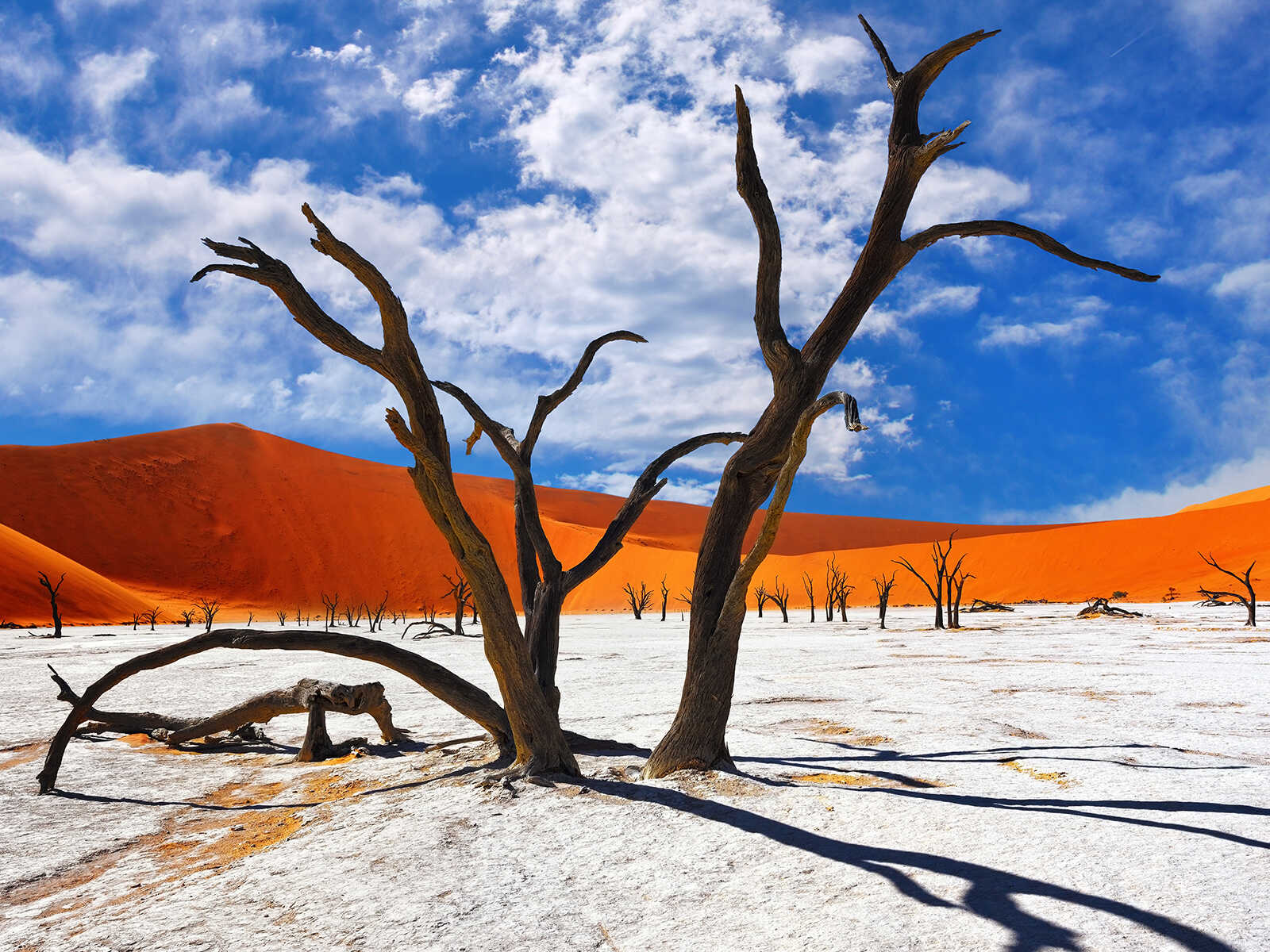
- The towering red dunes of Sossusvlei and the vast landscapes of Namib-Naukluft National Park.
- The ancient geological wonders, rock art, and desert-adapted wildlife of Damaraland.
- The charming coastal town of Walvis Bay, known for its abundant birdlife and marine activities.
- The stark and dramatic beauty of the Skeleton Coast.
- The expansive semi-arid plains and unique ecosystems of the Kalahari Desert.
Conclusion
Etosha National Park truly offers an unparalleled safari adventure, a place where wildlife thrives and dramatic landscapes captivate the soul. Whether you choose the dry season's intense waterhole action or the lush beauty of the wet season, a visit to Etosha promises memories that will last a lifetime. Prepare to be amazed by the raw power and delicate balance of nature in this remarkable corner of Namibia.