
Christuskirche Windhoek: A Landmark Guide to the Iconic Church
Standing proudly amidst the bustling capital of Namibia, the Christuskirche in Windhoek is more than just a place of worship; it's a profound historical monument and an architectural marvel. This iconic Lutheran church serves as a striking symbol of peace and a must-visit landmark for anyone exploring the heart of Windhoek.
A Glimpse into History: The Origins of Christuskirche
The Christuskirche, or Christ Church, was consecrated in 1910, marking a significant period in Namibia's history as a German colony. Designed by architect Otto Busch, its construction began in 1907 following the conclusion of the wars between the Germans and the Herero, Nama, and Ovambo peoples. It was deliberately built as a "Peace Church" (Friedenskirche) to commemorate the peace between the German colonialists and the indigenous tribes of Southern Africa.
Financed largely by contributions from the local German community and donations from Germany, including Kaiser Wilhelm II, the church stands as a testament to the era's aspirations and the lasting European influence on the region. Its strategic location on a traffic island at the top of a hill in the city center ensures its visibility and prominence.
Architectural Marvel: Neo-Romanesque Meets Art Nouveau
The Christuskirche's architecture is a captivating blend of Neo-Romanesque, Art Nouveau, and Gothic revival elements, making it truly unique. Constructed primarily from local quartz sandstone, sourced from the surrounding areas of Windhoek, the church showcases a warm, earthy hue that changes with the light throughout the day.
Key architectural features include:
- The Spire:A towering 42-meter high spire dominates the skyline, topped with a cross, visible from various points across the city.
- Stained-Glass Windows:Perhaps its most striking interior feature, the three magnificent stained-glass windows in the sanctuary were a gift from Kaiser Wilhelm II. They depict various biblical scenes and important figures, bathing the interior in a kaleidoscope of colors.
- The Altar:Crafted from Italian marble, the altar adds an element of refined elegance to the otherwise robust stone structure.
- Bells:The church houses three bronze bells, cast in Apolda, Germany, each with its own distinct tone, adding to the church's auditory charm during services.
The intricate details, from the carved stonework to the ornate wooden doors, reflect the craftsmanship of the early 20th century. It’s a place where European architectural styles found a distinctive expression in an African setting.
Did you know?The Christuskirche's foundation stone contains a time capsule, preserving documents and coins from its construction period, offering a tangible link to the past for future generations.
Christuskirche's Enduring Symbolism
Beyond its aesthetic appeal, the Christuskirche holds profound symbolic value. Conceived as a peace monument, it continues to represent a hope for harmony and understanding in a nation that has seen its share of conflict and transformation. It stands as a silent witness to Namibia's journey from colonial rule to independence, a constant presence in the changing urban landscape of Windhoek.
For many, it's not just a religious building but a cultural touchstone, embodying a significant chapter of Namibian history. Its image is frequently used in tourism promotions, cementing its status as an unofficial emblem of Windhoek.
Visiting Christuskirche: Practical Information for Travelers
A visit to the Christuskirche is an enriching experience, offering insights into history, architecture, and culture. Here's what you need to know for your trip:
Location and Accessibility
The Christuskirche is centrally located in Windhoek, making it easily accessible for visitors. It sits adjacent to the Parliament Gardens and the historic Tintenpalast (the Namibian Parliament building), creating a picturesque ensemble of historical sites. Most city center hotels are within easy walking distance, and ample parking is available nearby if you're driving.
Best Time to Visit
The church is best viewed and photographed during daylight hours. Early morning or late afternoon light often enhances its sandstone hues, making for stunning photographs. While the interior is often open to visitors during specific hours (which can vary), attending a Sunday service provides an opportunity to experience its spiritual atmosphere and hear the magnificent bells. It's advisable to check local listings for current opening times for visitors.
Etiquette and Photography
As an active place of worship, visitors are requested to dress respectfully and maintain a quiet demeanor inside the church. Photography is generally permitted from the exterior and often allowed inside without flash, but it's always courteous to confirm with church staff if you plan extensive interior photography, especially during services.
Nearby Attractions and Activities
The area around Christuskirche is rich with other attractions, perfect for a combined sightseeing excursion:
- Parliament Gardens and Tintenpalast:Stroll through the tranquil gardens and admire the impressive Tintenpalast, a beautiful example of German colonial architecture.
- Alte Feste:Just a short walk away, the Alte Feste (Old Fort) houses the National Museum of Namibia, offering deeper insights into the country's history and heritage.
- Independence Memorial Museum:Located directly opposite the Alte Feste, this modern museum provides a comprehensive look at Namibia's struggle for independence.
- Craft Markets:Explore local craft markets in Windhoek for authentic Namibian souvenirs, from wood carvings to gemstone jewelry.
Christuskirche and the Heart of Windhoek
The Christuskirche isn't merely a static monument; it's an integral part of Windhoek's vibrant urban fabric. It stands as a beacon, guiding visitors and locals alike, framing countless city views, and serving as a constant reminder of the city's layered past and dynamic present. Its presence contributes significantly to the unique charm and character of Namibia's capital.
Beyond Windhoek: Exploring Namibia's Wonders
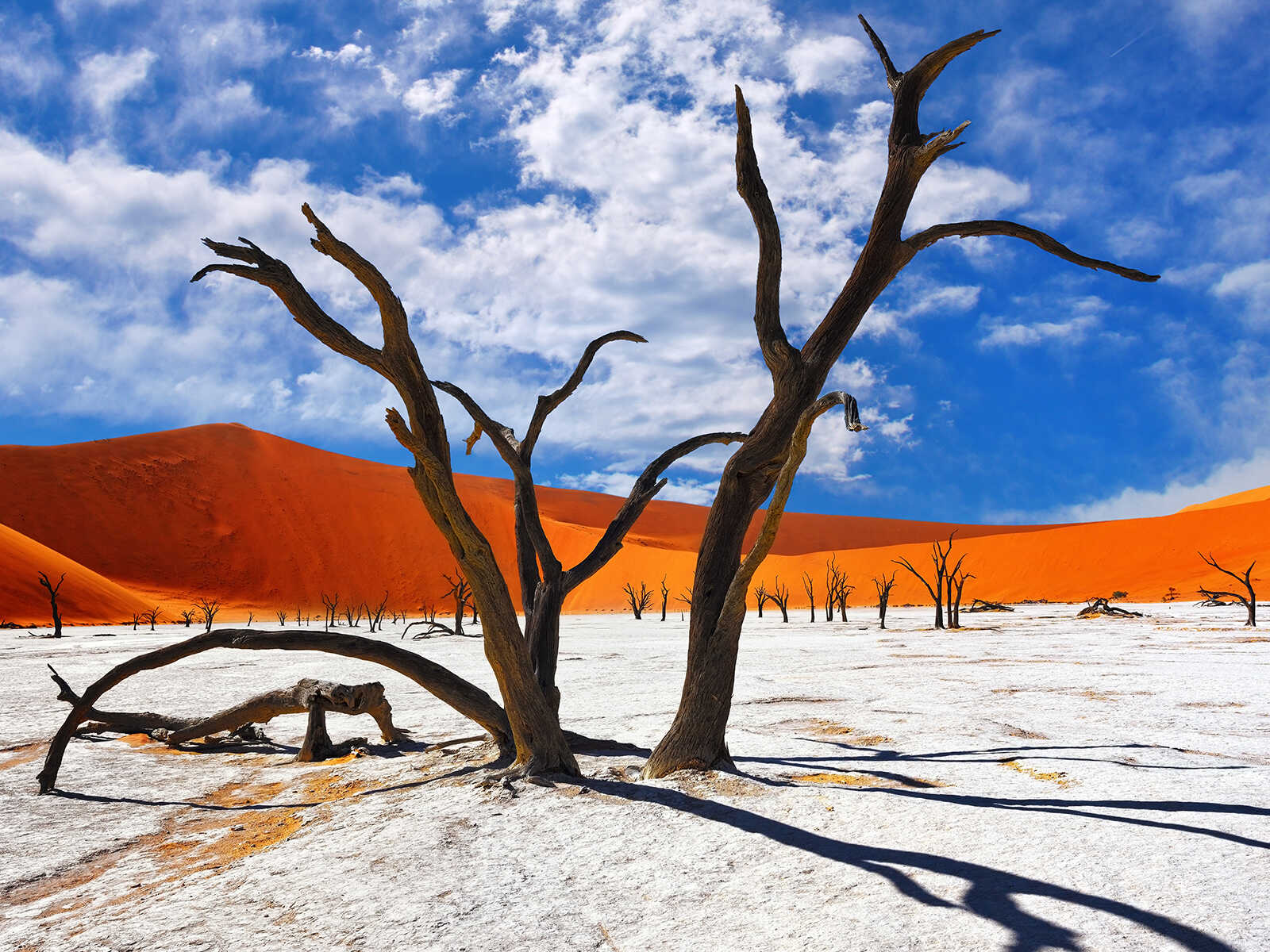
While the Christuskirche offers a fascinating start to your Namibian adventure, the country holds an incredible array of diverse landscapes and experiences. From the red dunes of Sossusvlei in the Namib-Naukluft National Park to the wildlife-rich plains of Etosha National Park, Namibia promises unforgettable memories.
Venture north to the rugged beauty of Damaraland, home to desert-adapted elephants and ancient rock art, or explore the dramatic coastline of the Skeleton Coast and the seal colony at Cape Cross. For a taste of coastal life, the vibrant city of Walvis Bay offers lagoon tours and marine wildlife encounters, with the towering Dune 7 nearby for adventure seekers. If you're seeking geological wonders, don't miss the imposing granite inselberg of Spitzkoppe or the colossal Fish River Canyon in the south, one of the largest canyons in the world. Discover the vast plains of the Kalahari Desert or the conservation efforts at the NamibRand Naturreservat. For unique attractions, seek out the incredible Hoba meteorite, the largest known meteorite on Earth. Even a visit to Okapuka Ranch just outside Windhoek can offer wildlife viewing and relaxation.
The Christuskirche is an essential stop on any Namibian itinerary, offering a blend of history, architectural splendor, and cultural significance. Its peaceful presence in the heart of Windhoek invites contemplation and provides a beautiful backdrop for your exploration of this remarkable Southern African nation. Don't miss the opportunity to witness this iconic landmark for yourself.