
Best Time to Visit Namibia: Weather, Wildlife & Activities
Namibia, a land of vast open spaces, dramatic landscapes, and abundant wildlife, offers an unforgettable adventure for every traveler. Deciding thebest timeto visit this incredible country depends largely on your priorities, whether you're chasing prime wildlife sightings, seeking perfect photographic light, or simply avoiding crowds.
Namibia's climate is predominantly arid to semi-arid, characterized by hot, dry periods and a short rainy season. The country experiences distinct seasons, each offering a unique perspective on its diverse ecosystems. Understanding these patterns is key to planning your ideal Namibian journey.
Namibia's Seasons at a Glance
Dry Season (May - October): The Peak Travel Window
Often considered the prime time for a Namibian safari, the dry season brings clear skies, comfortable temperatures, and exceptional wildlife viewing opportunities. This period is characterized by:
- Weather:Days are warm and sunny, with average temperatures ranging from 20-30°C (68-86°F). Nights can be surprisingly cool, especially in the desert regions, sometimes dropping close to freezing in June and July. Rainfall is minimal to non-existent, making for consistently dry conditions.
- Wildlife:As water sources diminish, animals congregate around permanent waterholes, making them easier to spot. This is particularly true in Etosha National Park, where wildlife spectacles are common. You'll have excellent chances of seeing elephants, rhinos, lions, giraffes, and various antelope species.
- Activities:
- Safari:Game drives are at their best, especially in Etosha National Park and private reserves like Okapuka Ranch.
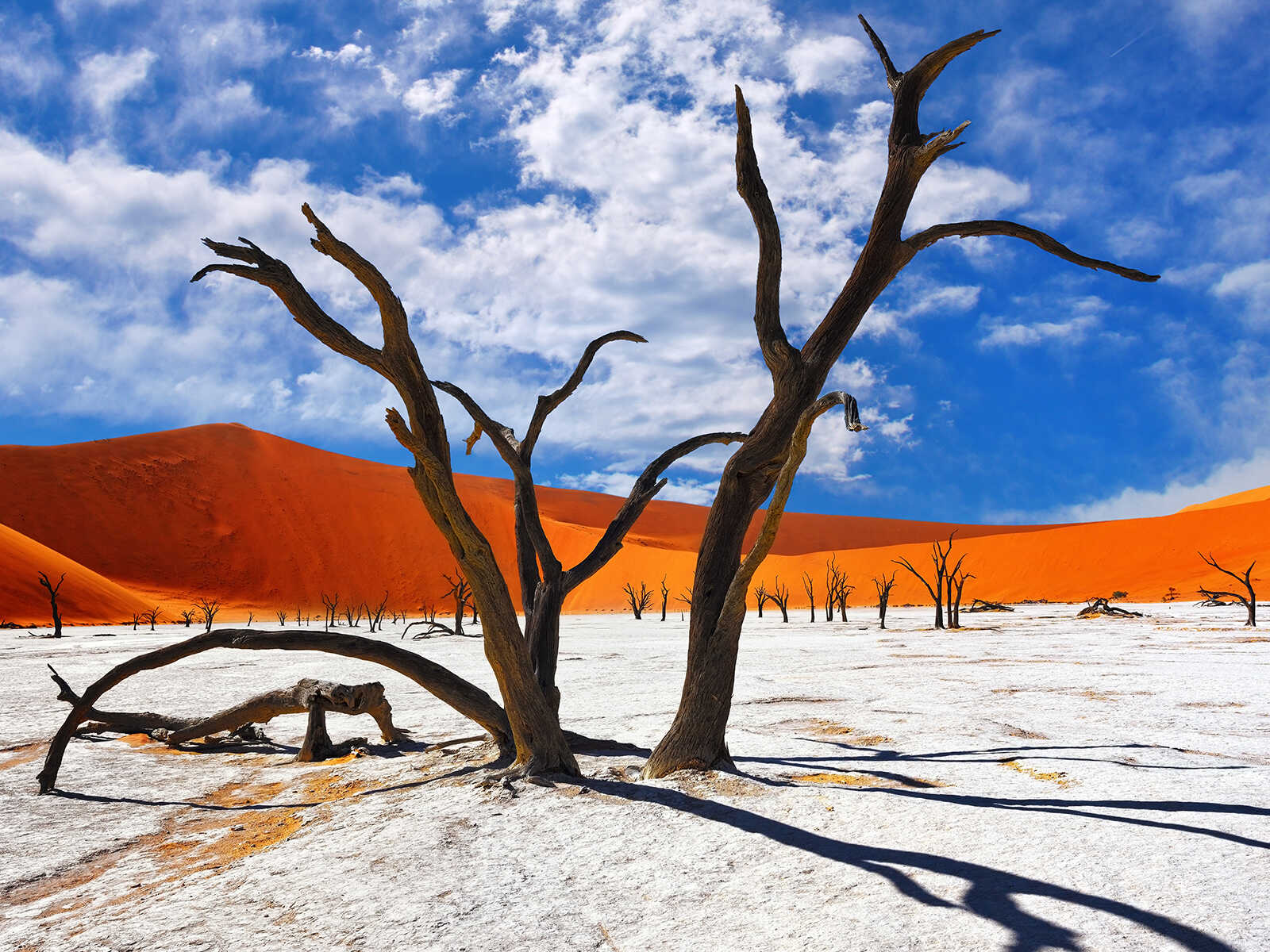
- Desert Exploration:Perfect conditions for exploring the iconic red dunes of Sossusvlei and Namib-Naukluft National Park, climbing Dune 7, or admiring the ancient rock formations of Spitzkoppe.
- Coastal Adventures:Ideal weather for activities around Walvis Bay, such as kayaking with seals, boat cruises, or visiting the seal colony at Cape Cross.
- Stargazing:The clear, unpolluted night skies, especially in areas like the NamibRand-Naturreservat, offer some of the world's best stargazing experiences.
Travel Tip:While the dry season is popular, remember to book accommodations and activities well in advance, especially for June, July, and August, as these are peak months for international visitors.
Shoulder Seasons (April & November): The Transition
These months offer a delightful balance for those seeking a blend of good weather, reasonable wildlife viewing, and fewer crowds.
- Weather:April sees the tail end of the rains, with landscapes still relatively green. Temperatures are pleasant, often milder than the peak dry season or the hot wet season. November marks the transition from dry to wet, with increasing temperatures and the occasional afternoon thundershower.
- Wildlife:Game viewing remains good, though animals might be more dispersed than in the absolute peak dry months. Birdwatching begins to pick up in November as migratory species return.
- Activities:Excellent for photography with dramatic skies and clearer air after the rains. Exploring Damaraland for desert-adapted elephants or visiting the Fish River Canyon is very enjoyable during these months.
Wet Season (December - March): The Green Season
Though less popular for traditional safari, the wet season (also known as the green season) offers a dramatically different and equally rewarding experience.
- Weather:Days are hot and humid, with average temperatures often exceeding 30°C (86°F), particularly in the central and northern regions. Afternoon thunderstorms are common, bringing spectacular lightning displays and brief, heavy downpours that transform the arid landscape into a vibrant green.
- Wildlife:Game viewing can be more challenging as animals disperse with abundant water and food. However, this is the time for newborns, with many antelope species dropping their young, attracting predators. It's also a birder's paradise, with resident species in breeding plumage and countless migratory birds.
- Activities:
- Photography:The lush landscapes, dramatic storm clouds, and incredible light provide unique photographic opportunities.
- Birdwatching:Unparalleled opportunities for bird enthusiasts.
- Cultural Experiences:Engaging with local communities can be particularly rewarding.
- Northern Regions:Areas like the Caprivi Strip (Zambezi Region) truly come alive.
- Other sights:Visiting the Hoba meteorite or the historical Christuskirche in Windhoek can be done year-round, but might be more comfortable on a hot wet season day.
Considering Your Priorities
Wildlife Viewing Focus
For prime wildlife viewing, especially the classic safari experience with animals congregating at waterholes, thedry season (May - October)is unequivocally the best. Visibility is excellent, and the chances of seeing predators are higher.
Photography & Landscapes
If stunning photography is your goal, theshoulder seasons (April & November)and even thewet season (December - March)can offer spectacular opportunities. The vibrant green landscapes, dramatic skies, and golden light after rain provide a stark contrast to the dry season's muted tones. The iconic red dunes of Sossusvlei pop against a stormy sky, and the vastness of the Kalahari Desert takes on a new beauty.
Avoiding Crowds
Theshoulder seasons (April & November)and thewet season (December - March)generally see fewer tourists. This means a more intimate experience, easier booking, and a greater sense of solitude in Namibia's vast wilderness. Even the remote and rugged Skeleton Coast can be explored with fewer fellow travelers.
Specific Activities
- Hiking & Outdoor Adventures:The cooler months of the dry season (June - August) are ideal for strenuous activities like hiking the Fish River Canyon or exploring the challenging terrains of Damaraland.
- Coastal Activities:The coast around Walvis Bay maintains a cooler, foggier climate year-round due to the Benguela current, making it a good escape from the interior heat, even in summer.
- Stargazing:Anytime during the dry season (May - October) offers consistently clear nights for unparalleled celestial displays, especially in dark sky reserves like the NamibRand-Naturreservat.
Regional Nuances
Namibia is a large country with varied microclimates. While the general seasonal trends apply, some regions have specific considerations:
- Coastal Strip:The Atlantic coast, including Swakopmund and Walvis Bay, experiences cooler temperatures and frequent fog year-round, making it a good escape from the interior heat, even in summer.
- Northern Regions (e.g., Caprivi Strip/Zambezi Region):These areas receive significantly more rainfall during the wet season and can become very hot and humid. However, the lushness and abundant birdlife are a major draw.
- Southern Regions (e.g.,Fish River Canyon):Can experience extreme temperatures, both hot and cold. The dry season is generally preferred for hiking.
Conclusion: Your Ideal Namibian Adventure Awaits
Ultimately, the "best" time to visit Namibia is subjective and depends on what you wish to experience. Whether you dream of thrilling wildlife encounters in the dry season, capturing dramatic landscapes during the shoulder months, or embracing the vibrant green transformation of the wet season, Namibia promises an extraordinary journey. With careful planning, you can tailor your trip to perfectly align with your travel aspirations and discover the magic of this captivating desert nation.