
A Brief History of Namibia: From Ancient Times to Modern Day
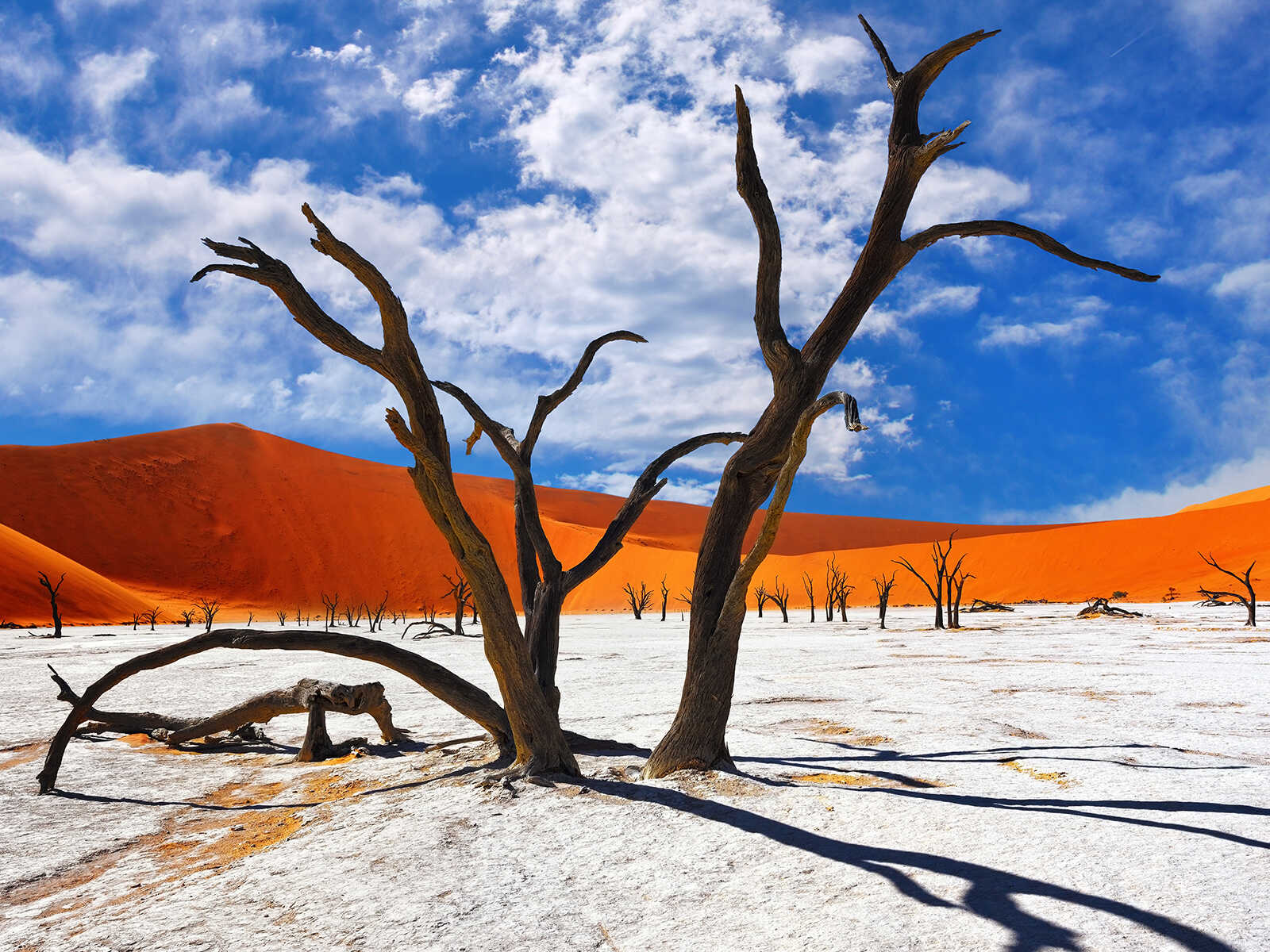
Namibia is a land of breathtaking landscapes, from towering red dunes to vast, arid plains. But beneath its stunning surface lies a history as rich and profound as its natural beauty. Journey with us through the fascinating past of this Southern African nation, from its earliest inhabitants to its vibrant modern identity.
Ancient Roots: The First Inhabitants
The story of human presence in Namibia stretches back tens of thousands of years. The earliest inhabitants were the San people (often referred to as Bushmen), renowned hunter-gatherers whose rock art can still be found in various parts of the country, particularly in areas like Damaraland. These ancient paintings and engravings offer a precious glimpse into their spiritual beliefs and daily lives, showcasing a deep connection to the land and its wildlife.
Following the San, other groups migrated into the region. The Khoikhoi, primarily pastoralists, moved southwards, bringing their livestock and establishing communities. The Damara, a distinct ethnic group with a unique language, also settled in central Namibia, coexisting and sometimes interacting with the San and Khoikhoi populations. Their resilience and adaptability allowed them to thrive in the challenging environment of the Kalahari Desert and beyond.
Bantu Migrations and Early Kingdoms
Around the 14th to 17th centuries, Bantu-speaking groups, including the Ovambo and Herero, began migrating into Namibia from the north. The Ovambo settled in the fertile northern regions, where they developed sophisticated agricultural practices and established powerful kingdoms, forming the largest ethnic group in the country today.
The Herero, known for their cattle-herding traditions, moved further south, populating the central and eastern parts of the country. Their nomadic lifestyle, centered around their herds, often brought them into conflict with the Nama (a Khoikhoi group) over grazing lands and water resources, setting the stage for complex inter-tribal dynamics that would later be exploited by colonial powers.
European Contact and Colonial Scramble
The first European contact with Namibia's coast was made in 1486 by the Portuguese navigator Diogo Cão, who erected a stone cross at Cape Cross. However, the arid coastline offered little appeal, and sustained European interest only began in the 19th century with the arrival of traders, missionaries, and prospectors.
By the late 19th century, the "Scramble for Africa" was in full swing. In 1884, Germany officially declared South West Africa (Deutsch-Südwestafrika) a protectorate, marking the beginning of a brutal colonial period. German rule brought significant infrastructure development, including railways and towns like Lüderitz, Swakopmund, and Windhoek. However, it also led to widespread land dispossession and violent suppression of indigenous resistance.
The German colonial period significantly shaped Namibia's infrastructure and legal system, leaving a complex legacy that is still discussed today. Historic buildings like the iconic Christuskirche in Windhoek stand as a poignant testament to this era.
The most tragic chapter of this period was the Herero and Namaqua Genocide (1904-1908), in which German forces systematically suppressed uprisings, leading to the deaths of tens of thousands of Herero and Nama people. This event is recognized as one of the first genocides of the 20th century.
South African Mandate and Apartheid
With the outbreak of World War I, South Africa invaded and defeated the German forces in South West Africa in 1915. After the war, the League of Nations granted South Africa a mandate to administer the territory. However, after World War II, South Africa refused to hand over South West Africa to United Nations trusteeship, effectively annexing it and treating it as a fifth province.
Under South African rule, the oppressive system of apartheid was extended to South West Africa, enforcing racial segregation, discrimination, and the brutal exploitation of resources and labor. This sparked international condemnation and a growing struggle for self-determination within the territory.
The Struggle for Independence
The resistance against South African rule intensified in the mid-20th century. In 1960, the South West Africa People's Organisation (SWAPO) was formed, evolving into the primary liberation movement. SWAPO launched an armed struggle in 1966, marking the beginning of the Namibian War of Independence, often intertwined with the broader Angolan Border War.
The United Nations played a crucial role, repeatedly calling for South Africa to withdraw and recognizing SWAPO as the legitimate representative of the Namibian people. UN Security Council Resolution 435, adopted in 1978, provided a blueprint for Namibia's independence, though its implementation was delayed for over a decade by Cold War politics and regional conflicts.
Independent Namibia: A Young Nation
Finally, on March 21, 1990, after decades of struggle, Namibia achieved full independence. Sam Nujoma became the country's first president, leading a newly democratic, multi-party nation. Namibia embarked on a path of national reconciliation, economic development, and the establishment of a robust constitutional democracy.
Today, Namibia is celebrated as a stable and peaceful democracy, known for its commitment to conservation and its stunning natural heritage. Tourism has become a vital sector, drawing visitors from around the globe to experience its unique attractions. From the iconic red dunes of Sossusvlei and the vast landscapes of Namib-Naukluft National Park, including the colossal Dune 7, to the abundant wildlife of Etosha National Park, Namibia offers unparalleled adventures.
Beyond the national parks, visitors can explore the marine life of Walvis Bay, the haunting beauty of the Skeleton Coast, or the dramatic expanse of the Fish River Canyon. Unique natural wonders like the Spitzkoppe and the immense Hoba meteorite further add to its allure. Conservation efforts are exemplary, with initiatives such as the NamibRand-Naturreservat leading the way in sustainable tourism. For those seeking immersive experiences, places like Okapuka Ranch offer a taste of Namibian hospitality and wildlife interaction.
Namibia's journey from ancient lands to a modern, independent state is a testament to the resilience of its people and the enduring spirit of its diverse cultures. It's a history that continues to shape its identity, making it a truly captivating destination for any traveler.