
The Rich History of Riga Old Town: From Medieval to Modern
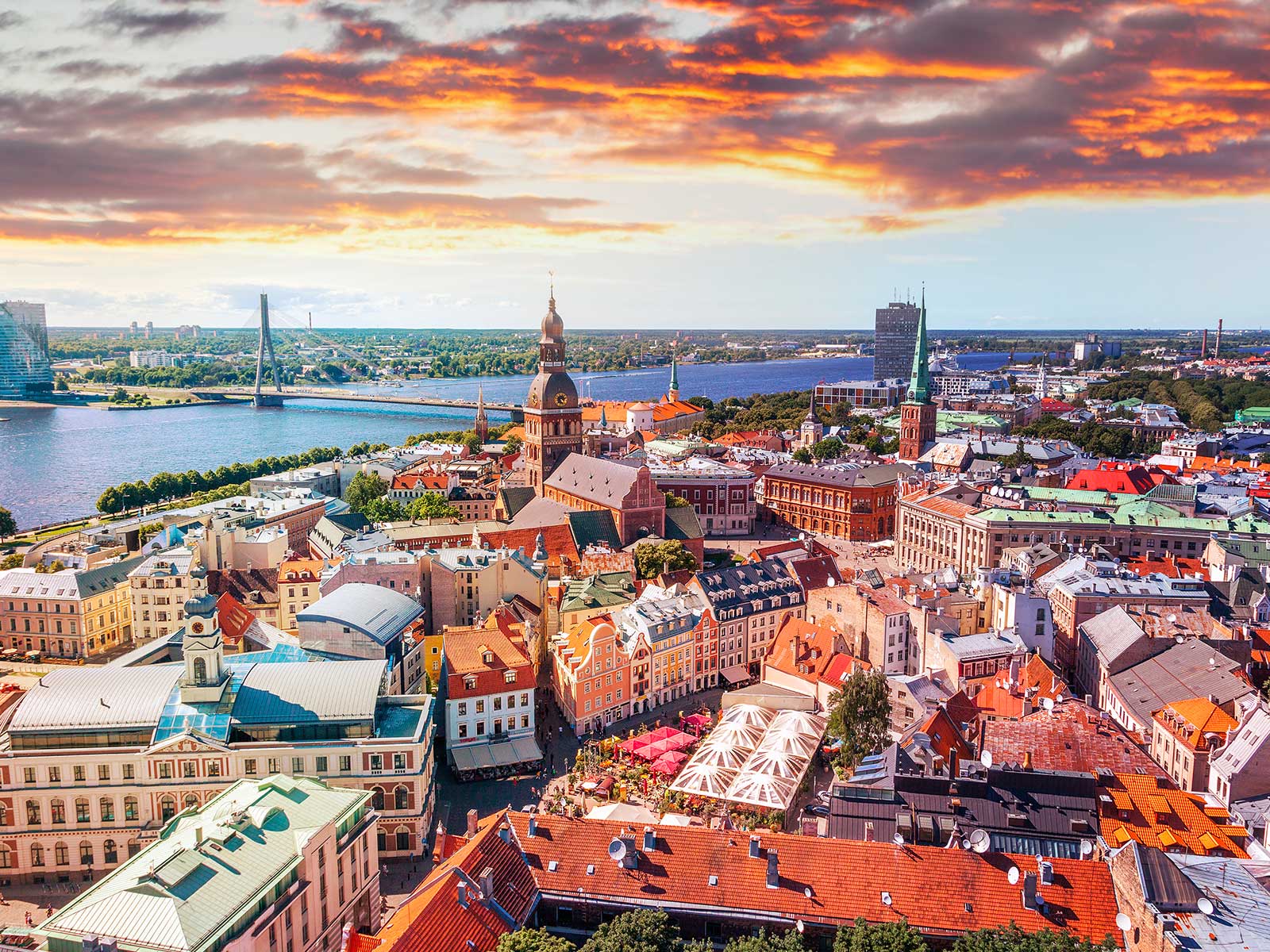
Step into the captivating cobblestone streets of Riga Old Town, a UNESCO World Heritage site that truly embodies a living museum. This historic heart of Latvia’s capital city offers an unparalleled journey through centuries of European history, architectural evolution, and cultural resilience. From its medieval origins as a bustling Hanseatic port to its modern-day vibrancy, Riga's Old Town tells a compelling story around every corner.
A Journey Through Time: Riga's Enduring Legacy
The story of Riga begins on the banks of the Daugava River, a strategic location that would shape its destiny as a major trade hub and cultural crossroads. Its rich history is not merely confined to textbooks but is etched into the very fabric of its buildings, squares, and fortifications.
The Founding and the Hanseatic League (13th-16th Centuries)
Riga's official founding in 1201 by German Bishop Albert of Buxthoeven marked the beginning of its transformation from a Livonian settlement into a formidable medieval city. Its advantageous position made it a crucial member of the Hanseatic League, a powerful medieval trade confederation. This affiliation brought immense wealth and influence, attracting merchants and craftsmen from across Europe. The city's economic prosperity during this period is still visible in the grand guild houses and churches that dominate the Old Town Riga skyline, such as the original structures that inspired the later House of the Blackheads and St. Peter's Church.
Did you know?Riga's strategic location at the mouth of the Daugava River made it a gateway for trade between Western Europe and Russia, a role it played for centuries.
Swedish, Polish, and Russian Dominance (17th-19th Centuries)
As the centuries progressed, Riga found itself a coveted prize in the geopolitical struggles of Northern Europe. It transitioned from Swedish rule following the Polish–Swedish War (1600–1629) to Russian control after the Great Northern War in the early 18th century. Each period left its indelible mark, from defensive structures like the Swedish Gate and the Gunpowder Tower to the burgeoning Baroque and Neoclassical architecture that began to appear alongside the medieval core. Under Russian rule, Riga became one of the empire's most important ports and industrial centers, fostering significant growth and development, including the expansion of its distinctive Art Nouveau district just outside the Old Town walls.
Independence and Interwar Prosperity (Early 20th Century)
The tumultuous early 20th century saw Latvia declare its independence in 1918. Riga, as the capital, entered a period of national resurgence and cultural flourishing. The Old Town, despite its age, remained the vibrant heart of the city, adapting to modern life while retaining its historic charm. This era was characterized by an optimistic spirit and a burgeoning national identity.
Soviet Era and World War II (Mid 20th Century)
World War II and the subsequent Soviet occupation brought immense hardship and significant changes to Latvia. Riga suffered damage during the war, and its Old Town, like many historic centers in the Soviet bloc, faced challenges in preservation. Despite ideological pressures, efforts were made to maintain its historical integrity, recognizing its unique value. This period of occupation is a stark reminder of Latvia's complex history, with sites like the Salaspils Memorials serving as powerful monuments to the past.
Rebirth and Modern Recognition (Late 20th Century - Present)
With the restoration of Latvia's independence in 1991,Riga Old Town experienced a remarkable rebirth. Extensive restoration projects revitalized its ancient buildings and squares, breathing new life into its historical narrative. In 1997, the recognition of Riga's historic center as a UNESCO World Heritage site cemented its status as a place of outstanding universal value. Today, it stands as a testament to centuries of endurance, a place where history is not just preserved but actively lived and celebrated.
Architectural Tapestry: Styles That Tell a Story
Walking through Riga Old Town is akin to traversing an open-air architecture museum. Each building, from its foundations to its rooftops, contributes to a rich visual narrative of the city's development.
Gothic Grandeur and Medieval Might
The earliest surviving structures proudly display Gothic elements, characterized by their soaring spires, pointed arches, and robust brickwork. Key examples include the majestic Riga Cathedral, with its imposing facade, and St. Peter's Church, famous for its towering spire. The iconic "Three Brothers" – the oldest residential complex in Riga – also showcase the evolution of medieval housing, with their narrow facades and steep roofs.
Baroque Flourishes and Renaissance Remnants
As the city prospered, Renaissance and Baroque styles introduced more ornate details, elaborate facades, and grander scales. While less dominant than Gothic or Art Nouveau, elements can be seen in the modifications of older buildings and specific structures. The Swedish Gate, a remnant of the city's defensive walls, and the nearby Gunpowder Tower, showcase the utilitarian architecture of later medieval and early modern periods.
Art Nouveau's Elegant Embrace
While the most spectacular examples of Art Nouveau architecture are found just outside the Old Town, its influence permeated the urban fabric. Riga boasts one of the finest collections of Art Nouveau buildings in the world, reflecting the city’s economic boom at the turn of the 20th century. Although the medieval core largely predates this style, its proximity and significance contribute to Riga's overall architectural renown, making it a natural extension of any historical exploration.
Iconic Landmarks and Their Stories
Many specific sites within Riga Old Town stand as powerful symbols of its enduring history and cultural significance.
Riga Cathedral
The largest medieval church in the Baltics,Riga Cathedral is a masterpiece of Gothic and Romanesque architecture. Its foundation stone was laid in 1211, and over centuries, it has been rebuilt and modified, showcasing various architectural styles. Home to one of the world's most magnificent organs, its cloister and museum offer a deeper dive into Riga's ecclesiastical past.
St. Peter's Church
With its striking green spire piercing the sky,St. Peter's Church is an unmistakable landmark. Originally built in the 13th century, it has been repeatedly destroyed and rebuilt, most recently after World War II. An elevator ascent to its observation deck offers unparalleled panoramic views of the Old Town, the Daugava River, and beyond, including glimpses of modern Riga.
House of the Blackheads
A symbol of Riga's medieval merchant prosperity, the original House of the Blackheads was built in the 14th century for the Brotherhood of Blackheads, a guild of unmarried merchants. Destroyed in World War II, it was meticulously reconstructed to its former glory, serving as a vibrant reminder of Riga's Hanseatic heritage and a popular venue for cultural events.
The Three Brothers
This charming complex of three houses is the oldest surviving residential dwelling group in Riga, each representing different periods of medieval architecture. The oldest, at M. Pils street 17, dates back to the 15th century, offering a unique glimpse into the domestic life of Riga's early inhabitants. Today, it houses the Latvian Museum of Architecture.
Riga Castle
Standing proudly on the banks of the Daugava,Riga Castle has served various roles since its construction in 1330, from the residence of the Livonian Order to the seat of foreign rulers. Today, it is the official residence of the President of Latvia and also houses the National History Museum of Latvia, similar in grandeur and historical importance to other significant Latvian strongholds like Rundale Palace.
Swedish Gate and Gunpowder Tower
These fortifications are stark reminders of Riga's medieval defenses. The Swedish Gate, built in 1698, is the only remaining gate from the city's original defensive walls, now a picturesque passage. The Gunpowder Tower, a formidable circular tower, once protected the city and now houses a part of the Latvian War Museum.
Experiencing Riga's History Today
Exploring Riga Old Town is best done on foot, allowing you to immerse yourself in its atmosphere. Wander through narrow alleyways, discover hidden courtyards, and pause at bustling squares. Many historical buildings now house charming cafes, artisan shops, and museums, offering a blend of past and present.
Travel Tip:Consider taking a guided walking tour to uncover the fascinating stories and lesser-known facts behind Riga's historic landmarks. Local guides often share personal insights that bring the past to life.
Beyond its historical core, Riga serves as an excellent base for exploring more of Latvia's diverse offerings. From the natural beauty of Gauja National Park to the charming towns of Cesis and Kuldiga(home to The Venta Rapid), and the coastal allure of Liepaja, Latvia has much to offer. However, it is in Old Town Riga that the nation's rich tapestry of history truly begins to unfold.
Conclusion
The rich history of Riga Old Town is a compelling narrative of resilience, prosperity, and cultural evolution. From its medieval Hanseatic roots to its rebirth as a modern European capital, the Old Town stands as a vibrant testament to Latvia's enduring spirit. It's a place where every cobblestone has a story, every facade holds a secret, and every visit offers a deeper connection to a past that continues to shape its dynamic present. Explore its depths, and let the history of Riga captivate you.