
Riga vs. Vilnius: Choosing Your Baltic City Break Destination
Planning a trip to the Baltics often brings up the delightful dilemma: Riga or Vilnius? These two captivating capital cities, while geographically close, offer distinctly different experiences for travelers. Let's delve into what makes each unique to help you decide which gem is perfect for your next city break.
Latvia's Riga and Lithuania's Vilnius are both UNESCO World Heritage sites, rich in history, culture, and charm. While Riga is often lauded for its Art Nouveau grandeur and a vibrant port city feel, Vilnius entices with its sprawling Baroque Old Town and a more intimate, spiritual atmosphere. Your choice will likely hinge on your personal interests, whether you're drawn to architectural splendor, historical depth, bustling nightlife, or serene cultural immersion.
Architectural Splendor: Art Nouveau vs. Baroque Beauty
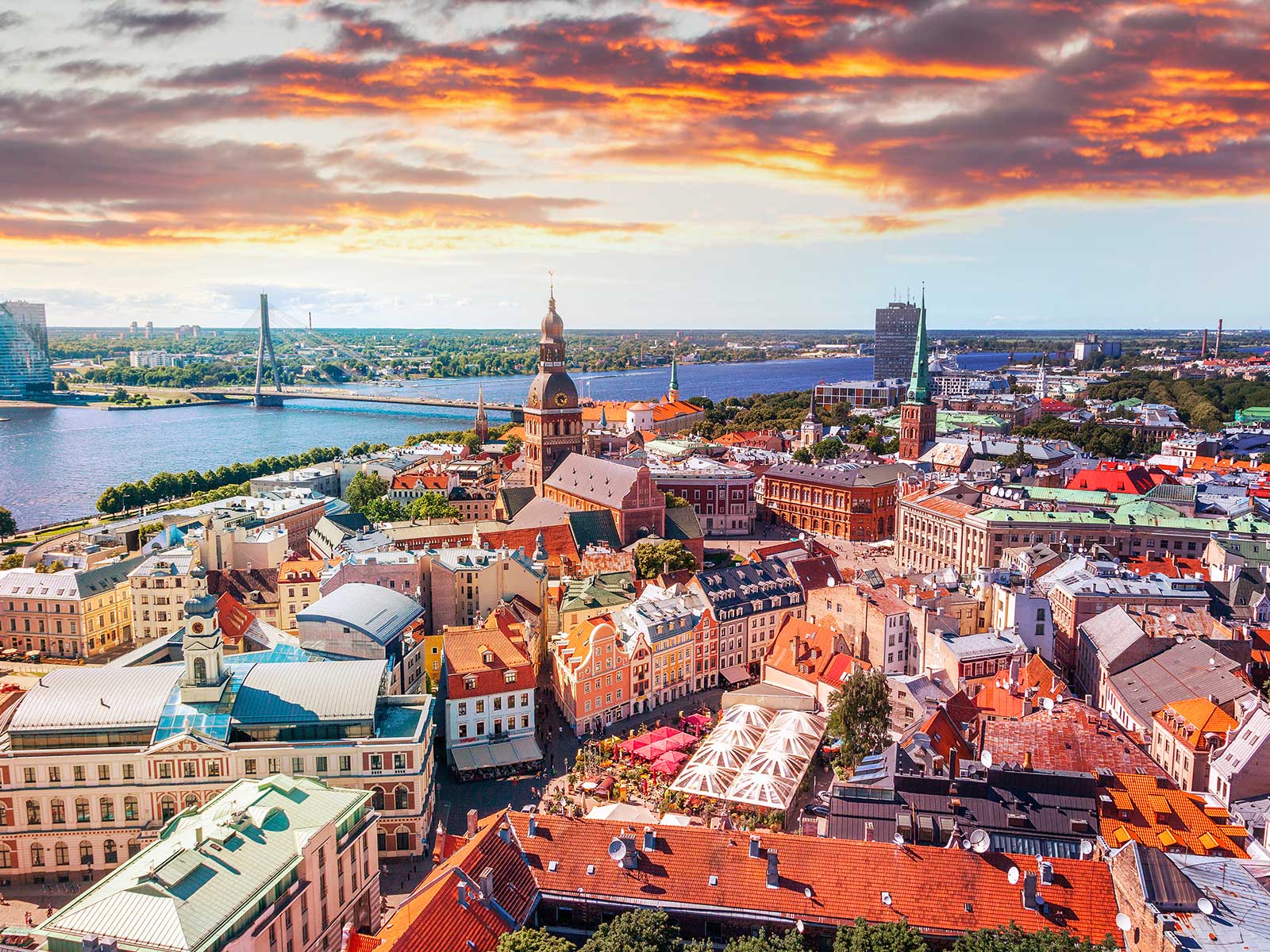
One of the most striking differences between Riga and Vilnius lies in their dominant architectural styles. Riga is a paradise for architecture enthusiasts, boasting one of the finest collections of Art Nouveau buildings in the world. Stroll through the city's "Quiet Centre" and along Alberta Street, and you'll be treated to an open-air museum of ornate facades, intricate carvings, and whimsical designs that define this early 20th-century movement. Beyond Art Nouveau,Old Town Riga itself presents a stunning tapestry of Gothic, Baroque, and Neoclassical structures, reflecting centuries of trade and influence.
Did you know?Riga's Art Nouveau district is so extensive that it makes up about one-third of all buildings in the city center, a testament to its economic boom at the turn of the 20th century.
Vilnius, on the other hand, is renowned for its vast and impeccably preserved Baroque Old Town, one of the largest in Eastern Europe. Its cobblestone streets wind past hundreds of churches, chapels, and historical buildings, each contributing to a harmonious, almost theatrical, urban landscape. The Vilnius Cathedral, St. Anne's Church (a Gothic masterpiece), and the Gates of Dawn are just a few examples of the city's profound architectural and spiritual heritage. The compact nature of Vilnius's Old Town makes it incredibly walkable, inviting visitors to get lost in its enchanting alleyways.
Historical Depth and Vibe: Merchant Hub vs. Spiritual Heart
Riga's history is deeply intertwined with its status as a major Hanseatic League port city, fostering a pragmatic, cosmopolitan spirit. Its past as a significant trading hub has instilled a lively, sometimes bustling, energy. The city has a grander, more expansive feel, reflecting its historical importance as a gateway between East and West. Visitors can explore the charming narrow streets of Old Town Riga, visit the Домская площадь (Dome Square), and feel the echoes of centuries of commerce and cultural exchange.
Vilnius, by contrast, feels more introspective and spiritual, shaped by its history as a grand duchy and a center of diverse religious communities. It has a more bohemian and artistic atmosphere, partly due to its significant university population and independent spirit. The Uzupis Republic, a self-declared artists' republic within the city, perfectly encapsulates Vilnius's quirky and creative soul, offering a delightful counterpoint to the historical gravitas of its Baroque churches.
Cultural Scene: Museums, Arts, and Galleries
Both cities offer a rich cultural tapestry. Riga boasts numerous museums, from the Latvian National Museum of Art showcasing national and international works, to the Occupation Museum of Latvia, which provides a sobering look at the country's 20th-century struggles. The city also has a thriving performing arts scene, with opera, ballet, and concerts regularly held in its grand venues. For something unique, consider a visit to the Ethnographic Open-Air Museum, a short bus ride from the city center, offering insight into Latvian rural life.
Vilnius's cultural offerings often lean towards its artistic and historical heritage. The National Museum of Lithuania (encompassing several sites), the Palace of the Grand Dukes of Lithuania, and the Museum of Occupations and Freedom Fights (housed in the former KGB building) are must-visits. The city's numerous art galleries, especially those in Uzupis, and its vibrant street art scene contribute to a dynamic contemporary culture that complements its historical foundations.
Culinary Delights and Nightlife
When it comes to food, both cities offer a delightful blend of traditional Baltic fare and modern international cuisine. Riga is known for its bustling Central Market, one of the largest in Europe, housed in former Zeppelin hangars, where you can sample local produce, smoked fish, and traditional snacks. Its restaurant scene ranges from cozy traditional eateries serving hearty Latvian dishes like grey peas with bacon, to upscale establishments pushing culinary boundaries. Riga's nightlife is particularly vibrant, with a wide array of pubs, bars, and clubs, especially concentrated in and around the Old Town Riga, catering to all tastes.
Vilnius also offers a robust culinary scene, with a strong emphasis on hearty Lithuanian dishes likecepelinai(potato dumplings) and a growing number of innovative restaurants. The city has a burgeoning craft beer scene and numerous cozy cafes perfect for people-watching. Its nightlife tends to be slightly more laid-back than Riga's, with a focus on wine bars, intimate pubs, and live music venues, though there are certainly options for those looking to dance the night away.
Day Trips and Surrounding Nature
Both cities serve as excellent bases for exploring their respective countries. From Riga, a wealth of natural and historical attractions are easily accessible. Venture to the stunning Gauja National Park, often called "Latvian Switzerland," for medieval castles (like Turaida and Sigulda) and picturesque landscapes. The magnificent Rundale Palace, a Baroque masterpiece often compared to Versailles, is another popular day trip. For a different historical perspective, the Salaspils Memorials offer a somber yet important experience. Charming towns like Cesis and Kuldiga(home to The Venta Rapid) are also within easy reach, offering a glimpse into Latvia's diverse regional beauty. For those interested in Soviet history, the abandoned military town of Skrunda-1 offers a unique, albeit eerie, experience.
Vilnius is also well-positioned for exploring Lithuania. The most popular day trip is to Trakai Island Castle, a stunning medieval fortress set on an island in Lake Galvė. The Curonian Spit, a UNESCO World Heritage site known for its unique sand dunes and pine forests, is a longer but incredibly rewarding trip, though often requiring an overnight stay. Other options include the charming spa town of Druskininkai or the Hill of Crosses, a powerful site of religious pilgrimage near Šiauliai.
Who Should Choose Riga?
- You are anArt Nouveau enthusiastor appreciate grand, diverse architecture.
- You enjoy a morecosmopolitan, bustling atmosphereand a vibrant nightlife.
- You're keen on exploring a major historical trading port.
- You want easy access to stunning natural parks like Gauja National Park and magnificent palaces like Rundale Palace.
Who Should Choose Vilnius?
- You are drawn to aBaroque wonderlandand a more intimate, spiritual Old Town.
- You appreciate a slightly morebohemian and artistic vibe, with unique areas like Uzupis.
- You prefer exploring a city with a strong emphasis on its historical and religious heritage.
- You're looking for a slightly more relaxed pace with charming cafes and traditional pubs.
The Verdict: Why Not Both?
Ultimately, both Riga and Vilnius offer unforgettable experiences. If time and budget allow, consider visiting both. They are well-connected by bus, making a dual-city trip a popular and highly recommended option for experiencing the best of the Baltics. However, if you must choose just one, let your personal interests in architecture, history, and atmosphere guide your decision. Whether you opt for Riga's Art Nouveau grandeur or Vilnius's Baroque charm, a magical Baltic adventure awaits.