
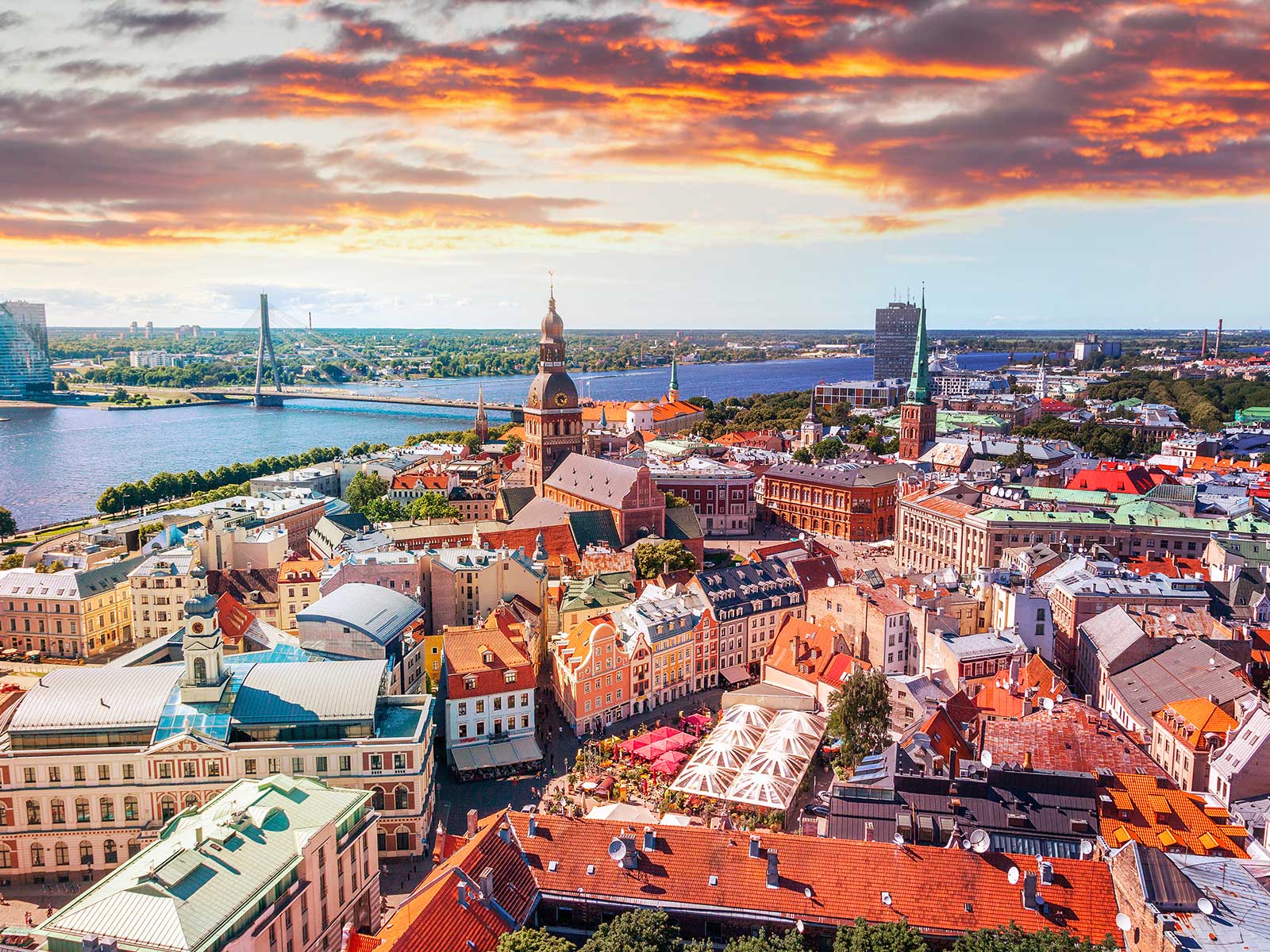
Is Latvia Safe for Tourists? Essential Travel Safety Tips
Latvia, a captivating Baltic gem, offers travelers a rich tapestry of history, culture, and natural beauty. For those planning a visit, a common question arises: Is Latvia safe for tourists? The good news is that Latvia is generally considered a very safe destination, comparable to many Western European countries, making it an excellent choice for an unforgettable trip.
Overall Safety Assessment
Latvia boasts a relatively low crime rate, particularly concerning violent crime against tourists. Most visits are trouble-free, with travelers enjoying the country's welcoming atmosphere and beautiful landscapes. Like any travel destination, however, common sense and awareness are your best allies. Petty crime, while not rampant, can occur, especially in busy tourist areas, so being vigilant is key to a smooth and enjoyable experience.
Common Concerns and How to Avoid Them
Petty Theft and Pickpocketing
The most common crime tourists might encounter in Latvia is petty theft, particularly pickpocketing. This is primarily an issue in crowded areas, especially in the capital city of Riga.
- Old Town Riga: Be extra cautious in popular spots like the Riga Central Market, the main train and bus stations, and during large festivals or events in Old Town Riga.
- Buses and Trams: Keep an eye on your belongings on crowded public transport.
- Prevention: Always keep your valuables secure and out of sight. Use a cross-body bag or a money belt. Avoid flashing expensive items or large sums of cash.
Scams and Overcharging
While not widespread, a few scams target tourists, especially around nightlife and transport.
- Taxi Scams: Unofficial taxis might overcharge, especially from the airport or late at night. Always use official taxis (usually identifiable by their company branding and meter) or ride-sharing apps like Bolt, which are prevalent and reliable. Confirm the price or ensure the meter is running.
- Bar Scams: Be wary of strangers inviting you to bars, especially those off the main tourist routes. There have been isolated incidents of tourists being lured into bars and presented with exorbitant bills. Stick to reputable establishments.
- ATM Skimming: Always check ATMs for tampering before use. It's best to use ATMs inside banks or well-lit, busy areas.
Travel Tip:When using taxis, ensure the driver starts the meter or agree on a price beforehand. For airport transfers, consider pre-booking or using official airport taxis.
Nightlife Safety
Riga's nightlife can be vibrant and enjoyable, but like any city, exercising caution is advisable.
- Alcohol Consumption: Drink responsibly and be aware of your limits. Spiked drinks are rare but possible. Don't leave your drink unattended.
- Walking Alone at Night: While generally safe, it's always safer to walk in groups or use official transport, especially in less familiar areas or late at night.
Traffic and Pedestrian Safety
Road safety standards are generally good, but be aware of local driving habits.
- Crossing Streets: Always use designated crossings and pay attention to traffic signals. Drivers may not always yield to pedestrians as readily as in some other countries.
- Driving: If you plan to drive, be aware that roads can be icy in winter. Speed limits are enforced, and drink-driving laws are strict.
Public Transport
Public transport in Latvia, including buses, trams, and trolleybuses in Riga, is efficient and generally safe. Just apply the same common-sense precautions as you would in any crowded urban setting.
Specific Situations and Locations
Riga and Urban Areas
Riga, particularly Old Town Riga and the city center, is very safe for tourists. The main concerns are petty theft and occasional scams, as mentioned above. Outside the immediate city center, residential areas are generally quiet and safe, though less frequented by tourists.
Rural Areas and Smaller Towns
Beyond Riga, Latvia's rural areas and smaller towns are exceptionally safe and offer a tranquil escape. Places like Gauja National Park,Rundale Palace,Cesis,Kuldiga(home to The Venta Rapid),Liepaja, and Aluksne are very welcoming. The pace of life is slower, and crime rates are even lower than in the capital. The biggest concern here might be language barriers, as English proficiency can be lower outside Riga.
Specific Attractions
- Skrunda-1: This former Soviet ghost town attracts urban explorers. While fascinating, exercise caution due to decaying structures and potential hazards. Do not enter abandoned buildings unless explicitly permitted and deemed safe.
- Salaspils Memorials: A solemn historical site. It is safe for visitors, requiring only respectful behavior.
- Nature Parks (Gauja National Park,Tervete Nature Park): These beautiful areas are safe for hiking and exploring, but always be aware of natural hazards like ticks (especially in warmer months) and changing weather conditions.
Health and Medical Safety
Latvia has a decent healthcare system, but access to English-speaking medical staff might be more limited outside major cities. For serious medical emergencies, Riga offers good facilities.
- Emergency Number: The universal emergency number in Latvia is112for police, ambulance, and fire services.
- Travel Insurance: It is highly recommended to have comprehensive travel insurance that covers medical emergencies, evacuation, and trip cancellations.
- Tap Water: Tap water in Latvia is generally safe to drink in major cities, but if you have a sensitive stomach, bottled water is always an option.
Environmental Safety
Latvia experiences distinct seasons, each with its own considerations.
- Winter (December-March): Can be very cold with significant snowfall and ice. Roads and sidewalks can be slippery. Dress warmly in layers and wear appropriate footwear.
- Summer (June-August): Generally pleasant, but strong sun can occur. Protect yourself from UV radiation. Ticks are also prevalent in forested and grassy areas (Gauja National Park,Tervete Nature Park), so take precautions like wearing long sleeves and using repellent if hiking.
Fun Fact:Latvia is one of Europe's greenest countries, with over half of its territory covered by forests, making tick awareness particularly important for nature lovers.
Important Contacts and Resources
- Emergency Services: 112 (Police, Ambulance, Fire)
- Your Embassy/Consulate: Keep their contact details handy, especially if you lose your passport or encounter serious issues.
- Local Police: While 112 is for emergencies, for non-urgent matters or reporting minor crimes, you can find local police station contacts online.
Tips for a Smooth and Safe Trip
- Stay Aware of Your Surroundings: Especially in crowded tourist areas or late at night.
- Secure Your Valuables: Use anti-theft bags, money belts, and avoid carrying all your cash and cards in one place.
- Trust Your Gut: If a situation or person feels off, it probably is. Remove yourself from uncomfortable situations.
- Learn Basic Latvian Phrases: While many Latvians speak English, especially the younger generation and in Riga, knowing a few basic phrases like "Labdien" (hello), "Paldies" (thank you), and "Lūdzu" (please) can go a long way and is always appreciated.
- Respect Local Customs: Latvians are generally polite and reserved. Understanding and respecting local etiquette will contribute to a positive experience.
- Stay Informed: Check your government's travel advisories for Latvia before and during your trip for any updated information.
Conclusion
Latvia is a wonderfully safe and rewarding destination for tourists. By exercising common sense, staying aware of your surroundings, and taking basic precautions against petty crime, you can confidently explore its beautiful cities, charming towns like Kuldiga and Cesis, and stunning natural landscapes. Prepare for your trip with these tips, and you're sure to have an incredible and safe adventure in the heart of the Baltics.