
Santa Catalina Arch in Antigua: History & Photo Spots
The Santa Catalina Arch stands as Antigua Guatemala's most recognizable landmark, an iconic stone passage that whispers tales of colonial history and frames breathtaking views. More than just a photo opportunity, this beautifully preserved archway is a window into the city's rich past and vibrant present, inviting travelers to step back in time.
The Enduring Symbol of Antigua Guatemala
Nestled amidst the cobblestone streets and colorful colonial architecture of Antigua, the Santa Catalina Arch(Arco de Santa Catalina) is an undisputed star. Its distinctive yellow façade and the clock tower perched atop it are instantly recognizable, often featured with the majestic Volcán de Agua looming in the background. This picturesque scene has become synonymous with Antigua, drawing countless visitors eager to capture its charm and delve into its fascinating origins.
A Glimpse into History: The Arch's Origins
To truly appreciate the Santa Catalina Arch, one must understand the context of its creation within colonial Antigua, then known as Santiago de los Caballeros de Guatemala.
Colonial Antigua and the Santa Catalina Convent
Antigua was once the third capital of the Captaincy General of Guatemala, a significant administrative center for the Spanish Empire in Central America. During this period, religious orders played a crucial role in society. The Convent of Santa Catalina Mártir, established in 1694, was one such institution. It housed cloistered nuns who adhered to strict rules of seclusion from the outside world.
Fun Fact:The rules of cloistered convents often meant nuns could not be seen by the public, even when moving between different parts of their own sprawling complex.
The Need for Secrecy: Building the Arch
As the convent grew, it expanded across what is now 5a Avenida Norte, a public street. For the nuns to move between the main convent building and their school or other annexes without breaking their vow of seclusion, a private passageway was essential. Thus, the Santa Catalina Arch was constructed in the late 17th century. It served as an enclosed bridge, allowing the nuns to cross the street unseen by the townsfolk below, maintaining their segregation and religious discipline.
Earthquakes and Rebuilding
Antigua's history is heavily marked by seismic activity. Major earthquakes in 1717 and especially the devastating Santa Marta earthquake of 1773 caused widespread destruction throughout the city. While much of Antigua lay in ruins, the Santa Catalina Arch, being a robust stone structure, largely withstood these tremors. Like many other buildings, it underwent repairs and renovations over the centuries, maintaining its original purpose for a time.
Following the 1773 earthquake, the Spanish Crown ordered the capital to be moved to a safer location, eventually becoming present-day Guatemala City. Antigua was largely abandoned, but gradually, people returned, rebuilding and preserving its unique colonial heritage.
From Convent Passage to Icon
Over time, with the decline of the convent's original function, the arch transitioned from a private religious passage to a public landmark. Its historical significance, architectural beauty, and strategic location on one of Antigua's main thoroughfares cemented its status as the city's most enduring symbol. The addition of a clock tower, likely in the 19th or early 20th century, further enhanced its distinctive silhouette, making it instantly recognizable.
Capturing the Magic: Best Photo Spots at the Santa Catalina Arch
The Santa Catalina Arch is undeniably Antigua's most photographed spot. Here's how to capture its magic from various angles:
The Classic Shot: Arch with Volcán de Agua
This is the quintessential Antigua postcard view. Stand a little further down 5a Avenida Norte, south of the arch, looking north. From this vantage point, the arch perfectly frames the majestic Volcán de Agua in the distance. The best times for this shot are:
- Early Morning:Before 8:00 AM, the street is quieter, and the rising sun illuminates the arch and the volcano with a soft, warm glow. This is ideal for avoiding crowds and getting clear shots.
- Late Afternoon:As the sun begins to set, the light can be beautiful, though crowds might be heavier.
- After a Rain Shower:The cobblestones gleam, reflecting the light and adding depth to your photos.
Street Level Perspectives
Don't just focus on the arch from afar. Get closer and capture the vibrant street life around it. The cobblestone street itself, the colorful colonial buildings lining the avenue, and the bustling activity of vendors and visitors all contribute to the arch's charm. Try shooting from directly underneath the arch, looking up, or from the sides to include the charming shops and cafes.
Creative Angles and Details
- The Clock:The clock tower atop the arch is a distinctive feature. Capture close-ups of its intricate details.
- Reflections:After a rain shower, puddles on the cobblestones can create stunning reflections of the arch and the sky.
- Framing:Use the arch itself to frame other elements, such as distant buildings or people passing through.
- Architectural Details:Look for the textures of the stone, the colonial plasterwork, and the intricate ironwork on nearby balconies.
Night Photography
The arch takes on a different, magical quality at night. The streetlights cast warm glows, and the colonial buildings are subtly illuminated. Long exposure shots can capture the movement of people and vehicles as light trails, creating a dynamic and atmospheric image.
Experiencing Antigua Beyond the Arch
While the Santa Catalina Arch is a must-see, Antigua offers a wealth of other attractions. Wander through the city's Parque Central, admire the Cathedral de Santiago, or explore the ruins of various convents and churches like La Merced and Santa Clara. The city is a UNESCO World Heritage site, and every corner holds a piece of history.
For those looking to explore further afield, Antigua serves as an excellent base for various excursions:
- Volcano Hikes:Challenge yourself with a hike up Pacaya, one of Guatemala's most active volcanoes, or embark on a more strenuous overnight trek to Acatenango for unparalleled views of Fuego volcano erupting.
- Cultural Markets:Take a day trip to the famous Chichicastenango Market, a vibrant hub of indigenous culture and commerce.
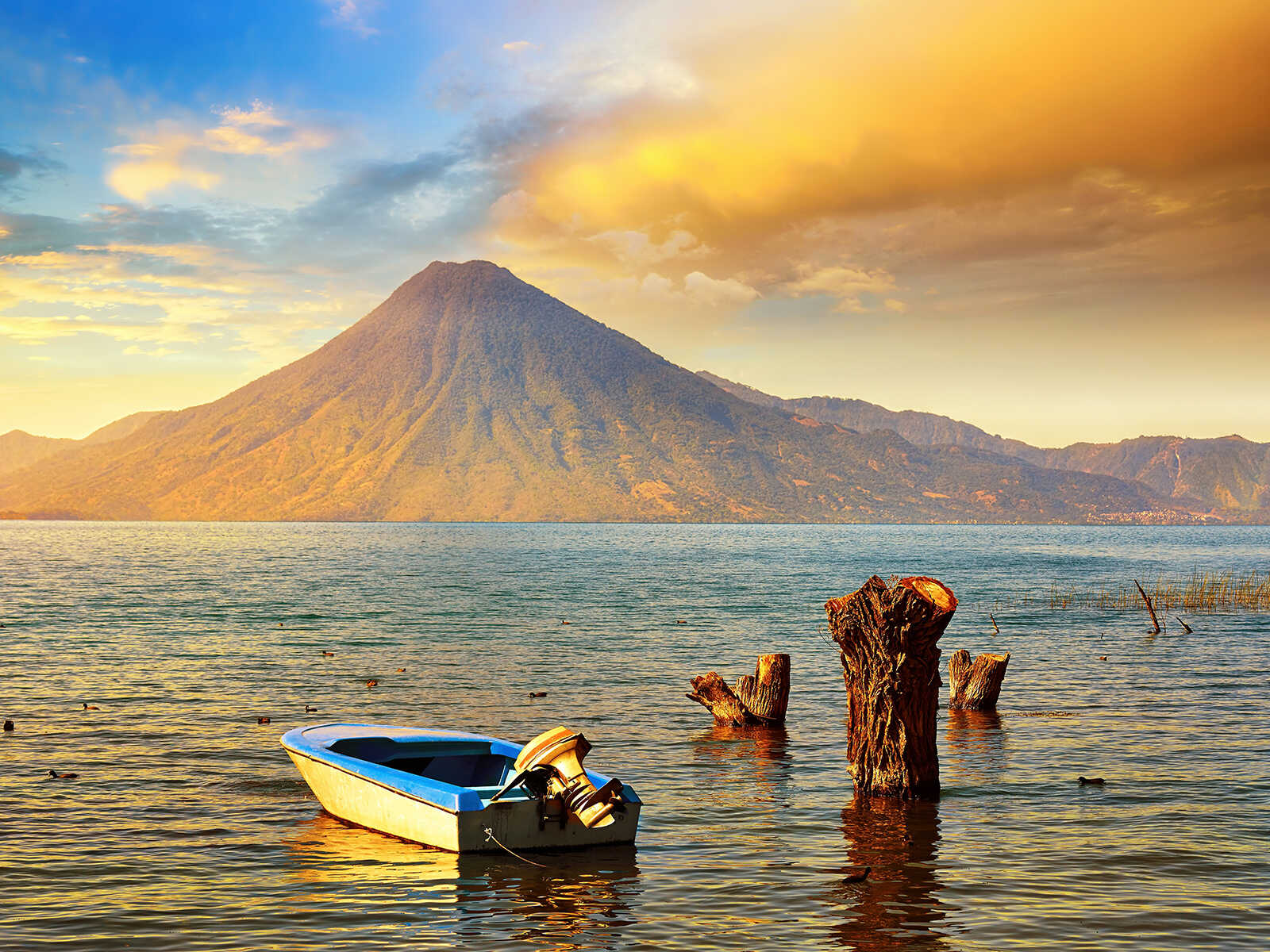
- Lake Atitlán:Journey to the breathtaking Lake Atitlán, often called one of the most beautiful lakes in the world, surrounded by volcanoes and traditional Mayan villages.
Practical Tips for Your Visit
To make the most of your visit to the Santa Catalina Arch and Antigua, keep these tips in mind:
Best Time to Visit
As mentioned, early morning is ideal for photography and avoiding crowds. The dry season (roughly November to May) generally offers clearer skies, which is perfect for seeing Volcán de Agua. However, the rainy season (June to October) can bring lush greenery and dramatic cloud formations, along with refreshing afternoon showers.
Getting There
Antigua is incredibly walkable, and the arch is centrally located on 5a Avenida Norte. From Guatemala City, numerous shuttles and buses provide convenient transportation to Antigua.
Respecting the Site
Remember that Antigua is a living city and a UNESCO World Heritage site. Be mindful of residents, avoid littering, and respect the historical significance of the arch and its surroundings.
Local Amenities
The area around the arch is bustling with charming cafes, restaurants, artisan shops, and street vendors. Take time to enjoy a coffee, browse for souvenirs, or savor some local street food.
Conclusion: An Unforgettable Landmark
The Santa Catalina Arch is more than just a beautiful piece of architecture; it's a living testament to Antigua's enduring spirit, its colonial past, and its vibrant present. Standing beneath its historic stones, with the majestic volcano in the distance, visitors can feel the layers of history and culture that make Antigua Guatemala such an unforgettable destination. It's a place where every photograph tells a story, and every moment becomes a cherished memory.