
Lake Atitlán Travel Guide: Towns, Activities & Serenity
Nestled in Guatemala's volcanic highlands,Lake Atitlán is a destination of unparalleled natural beauty and vibrant Indigenous culture. Surrounded by three majestic volcanoes and a string of unique villages, this deep crater lake offers travelers a blend of adventure, relaxation, and profound cultural immersion. Discover the distinct character of each lakeside town, the array of activities available, and the serene tranquility that defines this Guatemalan gem.
Discovering the Enchantment of Lake Atitlán
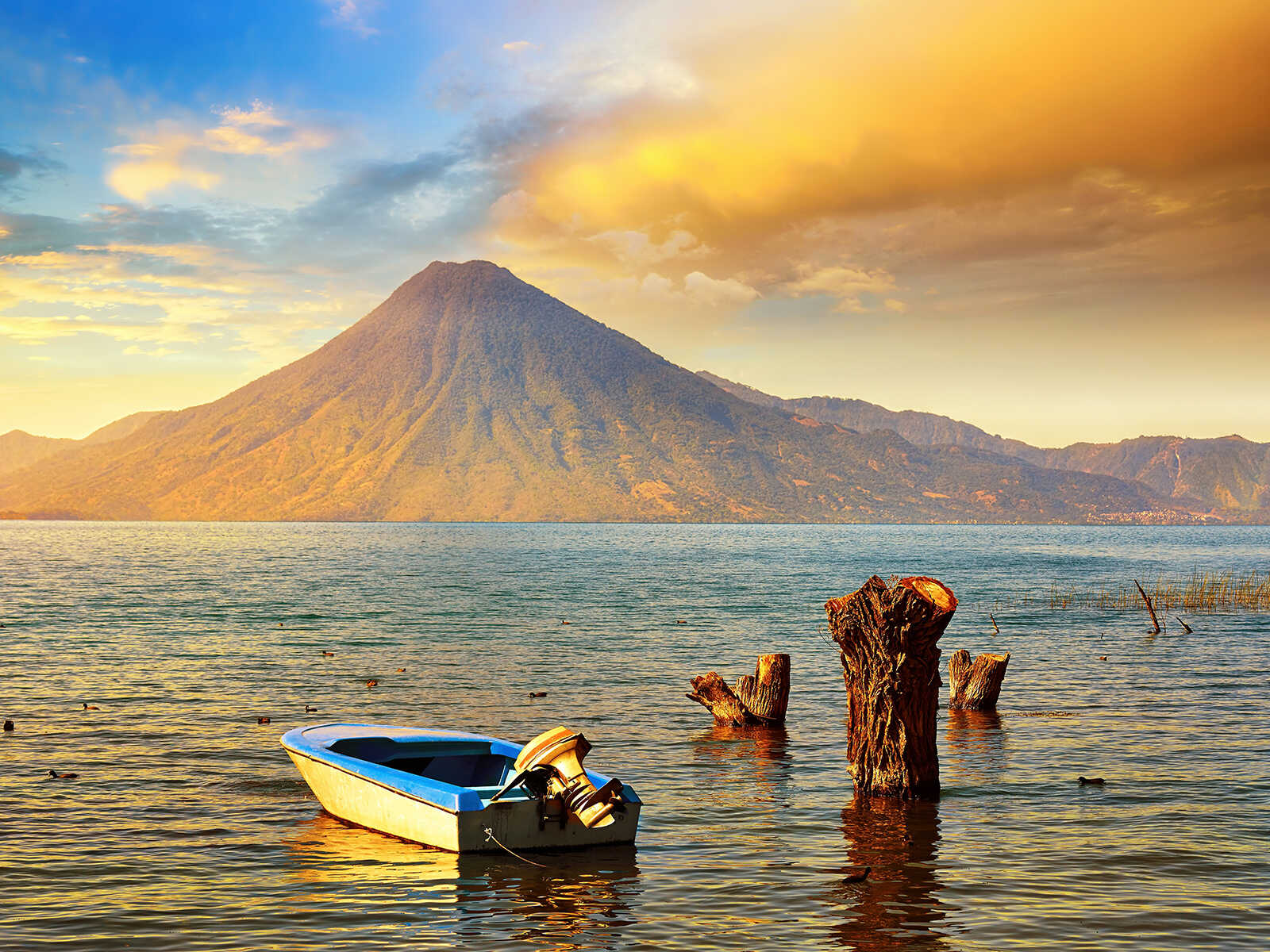
Often hailed as one of the most beautiful lakes in the world, Lake Atitlán is a geological marvel formed in a massive volcanic caldera. Its shimmering waters are encircled by the towering volcanoes of Atitlán, Tolimán, and San Pedro, creating a dramatic backdrop for the lively Mayan villages scattered along its shores. Each town possesses its own charm, traditions, and pace of life, inviting exploration and connection with the local Tz'utujil and Kaqchikel communities.
Getting There and Getting Around
Accessing Lake Atitlán typically involves a shuttle or bus journey from major hubs like Antigua or Guatemala City. Most travelers arrive at Panajachel, the lake's busiest and most developed town, which serves as a primary gateway. From Panajachel, navigating the lake is primarily done via public lanchas (small boats) that crisscross the water, connecting all the main villages. These boats are a convenient and scenic way to hop between towns, offering stunning views from the water.
Exploring the Diverse Towns of Lake Atitlán
The beauty of Lake Atitlán lies in the distinct personalities of its lakeside communities. Each offers a different experience, catering to various travel styles.
Panajachel (Pana)
As the main entry point to the lake, Panajachel is the most developed town, bustling with hotels, restaurants, shops, and tour operators. It's a great base for stocking up on supplies, finding ATMs, and arranging transport. While often seen as a transit hub, Pana has its own charm, particularly along Calle Santander, which leads down to the lake shore.
San Pedro La Laguna
Popular with backpackers and budget travelers, San Pedro is known for its lively atmosphere, affordable Spanish schools, and vibrant nightlife. You can find numerous hostels, cafes, and bars here, making it a social hub. Hiking up the San Pedro volcano offers rewarding panoramic views, and the town provides a good starting point for various lake activities.
San Juan La Laguna
A quieter, more culturally focused town, San Juan is renowned for its cooperative model, particularly in art and textiles. Visitors can explore numerous galleries, observe traditional weaving demonstrations using natural dyes, and learn about local herbal medicine. It's an excellent place to purchase authentic, high-quality artisanal goods directly from the creators.
Santiago Atitlán
The largest Tz'utujil Mayan town on the lake, Santiago Atitlán offers a deep dive into Indigenous traditions. It's famous for its vibrant market, unique hand-woven textiles, and the veneration of Maximon, a revered Mayan folk saint. Visiting Santiago provides a powerful cultural experience, especially if you engage with a local guide to understand its history and customs.
Cultural Tip:When visiting towns like Santiago Atitlán, remember to dress respectfully and ask permission before taking photos of people, especially elders.
San Marcos La Laguna
Often described as the spiritual heart of the lake, San Marcos attracts a bohemian crowd seeking wellness, yoga, meditation, and alternative therapies. It's a tranquil village with a focus on holistic living, organic food, and stunning natural beauty. The serene atmosphere is perfect for relaxation, and there's a popular cliff-jumping spot for the more adventurous.
Santa Cruz La Laguna
Mostly accessible by boat, Santa Cruz offers a more secluded and authentic experience. It's home to several high-end eco-lodges and a small Indigenous village higher up the hillside. It's an ideal spot for those seeking peace, incredible lake views, and a chance to immerse themselves in local life away from the main tourist bustle.
Activities and Experiences on Lake Atitlán
The lake and its surroundings offer a wealth of activities for every interest.
- Boating and Kayaking:Explore the lake at your own pace. Rent a kayak or paddleboard, or hire a private lancha for a personalized tour of the different villages.
- Hiking and Volcano Trekking:Challenge yourself with a hike up Volcán San Pedro or the iconic Indian's Nose (Nariz del Indio) for breathtaking sunrise or sunset views over the lake and its volcanoes. For more intense volcano experiences in Guatemala, consider a trek up Acatenango.
- Cultural Workshops:Participate in a traditional Mayan cooking class, learn about natural dyeing and weaving, or take a Spanish language immersion course in one of the many schools. Nearby, the Chichicastenango Market offers an unparalleled shopping and cultural experience on Thursdays and Sundays.
- Yoga and Wellness:San Marcos La Laguna, in particular, is a hub for yoga retreats, meditation centers, and various holistic therapies.
- Swimming and Relaxation:Find a quiet spot to swim in the refreshing lake waters or simply relax by the shore, soaking in the views.
- Explore Nature Reserves:Visit reserves like Atitlán Natural Reserve near Panajachel, offering zip-lining, hiking trails, and butterfly gardens.
When to Visit Lake Atitlán
Lake Atitlán enjoys a pleasant climate year-round due to its altitude. The dry season, from November to April, is generally considered the best time to visit, offering sunny days and clear skies perfect for outdoor activities and volcano views. The rainy season, from May to October, brings afternoon showers but also lush green landscapes and fewer crowds. Mornings are often clear even during the rainy season.
Practical Tips for Travelers
- Currency:The local currency is the Guatemalan Quetzal (GTQ). ATMs are available in larger towns like Panajachel and San Pedro, but it's wise to carry some cash, especially for smaller villages.
- Safety:Lake Atitlán is generally safe, but like any travel destination, it's important to be aware of your surroundings, especially at night. Avoid walking alone after dark in less populated areas and be mindful of your belongings.
- Respect Local Culture:The Mayan culture is deeply ingrained here. Be respectful of local customs, traditions, and dress modestly, especially when visiting churches or Indigenous communities.
- Transportation:Public lanchas stop running around 6-7 PM. If you plan to be out late, arrange private transport in advance.
- Connectivity:Wi-Fi is widely available in hotels and cafes in the main towns, but can be spotty in more remote areas.
Beyond Lake Atitlán: Further Guatemalan Adventures
Guatemala offers a wealth of diverse experiences. After soaking in the serenity of Lake Atitlán, consider venturing to the ancient Mayan ruins of Tikal, exploring the vibrant colonial city of Antigua, or hiking to the turquoise pools of Natural Monument Semuc Champey. For more volcano trekking,Pacaya volcano offers accessible day hikes.
Embrace the Serenity
Lake Atitlán is more than just a beautiful sight; it's a place that touches the soul, offering a unique blend of natural splendor, cultural richness, and tranquil escape. Whether you're seeking adventure, spiritual rejuvenation, or simply a peaceful retreat, the lake and its surrounding villages promise an unforgettable journey into the heart of Guatemala.