
Guatemalan Culture & Customs: Essential Insights for Travelers
Guatemala, a land of vibrant colors, ancient traditions, and breathtaking landscapes, offers an unparalleled cultural immersion for travelers. Understanding its rich tapestry of customs and social etiquette is key to a rewarding and respectful journey through this captivating Central American nation.
A Tapestry of Indigenous and Ladino Traditions
Guatemala's culture is a fascinating blend, primarily shaped by its indigenous Maya heritage and Spanish colonial influence. Over 20 distinct Maya ethnic groups, alongside the Garifuna and Xinca peoples, maintain their unique languages, dress, and spiritual practices, particularly in the Western Highlands and rural areas. The Ladino population, of mixed indigenous and European descent, predominantly inhabits urban centers and contributes significantly to the national identity. This cultural mosaic results in a vibrant interplay of traditions, often seen in festivals, cuisine, and everyday life.
Language: More Than Just Spanish
While Spanish is the official language and widely spoken, especially in tourist areas and cities, Guatemala is home to 22 recognized indigenous languages. K'iche', Kaqchikel, Q'eqchi', and Mam are among the most prevalent. Learning a few basic Spanish phrases like"Hola"(Hello),"Gracias"(Thank you), and"Por favor"(Please) will be immensely helpful and appreciated. In more remote indigenous communities, a smile and respectful demeanor can bridge any language barrier. It's a sign of respect to acknowledge the linguistic diversity that thrives here.
Respectful Interactions and Social Etiquette
Navigating social situations with cultural awareness will enhance your experience and show respect for local customs.
Greetings
- Formalities:Always greet people, even strangers. A simple"Buenos días"(Good morning),"Buenas tardes"(Good afternoon), or"Buenas noches"(Good evening) is customary.
- Handshakes:A firm handshake is the standard greeting for both men and women. Close friends and family might opt for a light hug or a kiss on the cheek among women.
- Addressing Elders:Show particular respect to elders. Use formal "usted" when addressing them, rather than the informal "tú."
Personal Space and Public Decorum
Guatemalans generally have a closer personal space than many Western cultures. Don't be surprised if people stand closer during conversations. Public displays of affection are generally discreet, especially outside major cities. Modesty in dress and behavior is always appreciated.
Dress Code
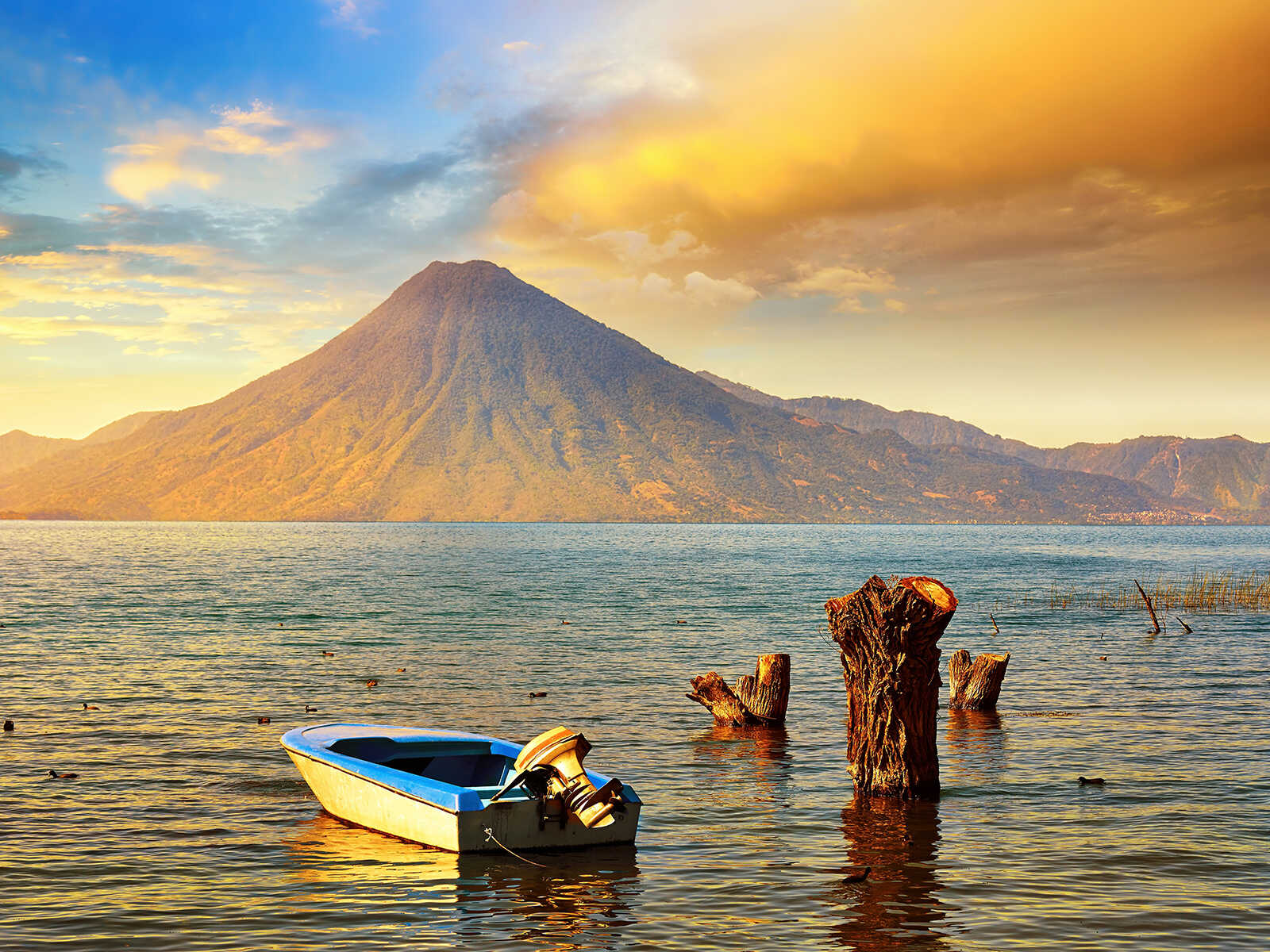
When visiting religious sites, rural villages, or government buildings, it's advisable to dress modestly. This means covering shoulders and knees. While tourist areas like Lake Atitlán or Antigua may have more relaxed attitudes, err on the side of conservative attire to show respect for local customs.
Photography
Always ask for permission before taking photos of people, especially children or indigenous individuals. A simple gesture or"¿Puedo tomar una foto?"(May I take a photo?) goes a long way. Respect their wishes if they decline. In some instances, a small tip might be expected for taking someone's picture, particularly for those in traditional attire at markets like the Chichicastenango Market.
Punctuality
While business meetings might adhere to strict schedules, social gatherings often operate on "Guatemalan time," which tends to be more relaxed. Don't be offended if someone arrives a little late; it's generally not considered rude in social contexts.
Cultural Tip:Learning to say "Gracias" (thank you) in a few indigenous languages, like "Matiox" (K'iche') or "Tyox" (Kaqchikel), can be a delightful way to connect with locals in indigenous communities.
The Heart of the Home: Family Values
Family is the cornerstone of Guatemalan society. Extended families often live together or in close proximity, providing a strong support system. This emphasis on family translates into warm hospitality towards guests. If invited into a home, it's considered an honor. A small gift, like fruit or a dessert, is a thoughtful gesture.
Food & Drink: A Culinary Journey
Guatemalan cuisine is hearty and flavorful, with corn, beans, and rice forming the staples. Traditional dishes include:
- Tamales:Corn dough filled with meat, vegetables, and sauce, wrapped in plantain leaves and steamed.
- Pepián:A rich, thick stew (often chicken or beef) made with roasted spices, tomatoes, and chilies, usually served with rice and tortillas.
- Jocón:A green chicken stew, mild and flavorful, characteristic of the Western Highlands.
- Coffee:Guatemala is world-renowned for its high-quality coffee. Enjoy a fresh cup, especially in the coffee-growing regions around Antigua or Lake Atitlán.
- Fresh Fruits:An abundance of tropical fruits like mangoes, papayas, and bananas are readily available and delicious.
Exploring local markets, such as the bustling Chichicastenango Market, is an excellent way to sample street food, fresh produce, and traditional snacks.
Religion and Spirituality
Catholicism is the predominant religion, introduced during the Spanish colonial era. However, it often blends with ancient Maya spiritual beliefs, creating a unique syncretic practice. This is evident in many indigenous rituals, where Maya priests may conduct ceremonies alongside Catholic rites. Holy sites like Tikal,Yaxha National Park,Acropolis of Quirigua, and sacred lakes such as Lake Atitlán and Chicabal Lake hold deep spiritual significance for many Maya people.
Arts, Crafts, and Music
Guatemala's artistic expression is vibrant and deeply rooted in its cultural heritage.
- Textiles:Intricate handwoven textiles, particularly the traditional blouses (huipiles) worn by Maya women, are iconic. Each village, and often each weaver, has distinct patterns and colors.
- Ceramics and Wood Carvings:Beautiful pottery, masks, and wooden figures are crafted throughout the country.
- Marimba:The national instrument, the marimba, produces a joyful, resonant sound and is central to many celebrations and performances.
- Painting:Naïve art, often depicting daily life and landscapes, is popular and colorful.
These crafts are not just souvenirs; they are living expressions of Maya identity and history. When purchasing, consider buying directly from artisans or reputable cooperatives to support fair trade practices, for example, in towns surrounding Lake Atitlán.
Navigating Public Spaces and Transportation
Public transportation, particularly the brightly decorated former U.S. school buses known as "chicken buses," is an experience in itself. While they offer an authentic glimpse into local life, be mindful of your belongings. For longer distances or more comfort, intercity buses or shuttles are available. When exploring natural wonders like Natural Monument Semuc Champey or hiking volcanoes like Acatenango or Pacaya, hiring a reputable guide is always recommended for safety and insight.
Key Cultural Events and Festivals
Guatemala's calendar is dotted with colorful festivals that offer deep cultural insights:
- Semana Santa (Holy Week):Celebrated with elaborate processions, especially in Antigua, where intricate "carpets" of dyed sawdust and flowers adorn the streets around landmarks like the Santa Catalina Arch.
- Día de los Muertos (Day of the Dead):November 1st, a day when families visit cemeteries to honor deceased loved ones, often with kites flown high to carry messages to the heavens.
- Local Patron Saint Festivals:Each town and village has its own annual festival honoring its patron saint, featuring parades, music, dancing, and traditional foods.
- Fiesta de Santo Tomás:A major festival held in Chichicastenango Market in December, showcasing a vibrant blend of Catholic and Maya traditions.
These events are a prime opportunity to witness authentic Guatemalan culture in full swing. Remember to maintain respect and observe local customs when participating or spectating.
Embrace the Journey
Guatemala is a country that rewards curious and respectful travelers with unforgettable experiences. By taking the time to understand and appreciate its diverse cultures and customs, you'll not only enrich your own journey but also foster positive interactions with the warm and welcoming Guatemalan people. From the ancient ruins of Tikal to the serene waters of Lake Atitlán, and the unique Garifuna culture of Livingston on the Caribbean coast, Guatemala invites you to explore its soul.