
Getting Around Guatemala: Buses, Shuttles & Local Transport
Navigating Guatemala is an adventure in itself, offering a vibrant tapestry of transportation options that cater to every type of traveler. From colorful local buses to comfortable tourist shuttles and scenic boat rides, understanding your choices is key to unlocking the country's incredible landscapes and cultural treasures.
Guatemala's transport network is as diverse as its geography, connecting bustling cities with ancient ruins, tranquil lakes, and volcanic peaks. Whether you're seeking an authentic local experience or prioritize comfort and convenience, there's a way to get you where you need to go. This guide will help you understand the various modes of transport available, offering practical tips to make your journeys smooth and enjoyable.
The Backbone of Local Travel: Chicken Buses
Often the most iconic image of Guatemalan transport, "chicken buses" (camionetas) are repurposed American school buses, brightly painted and often adorned with chrome and religious imagery. They are the primary mode of intercity transport for locals and an unforgettable cultural experience for adventurous travelers.
What to Expect from Chicken Buses
- Authenticity:Riding a chicken bus offers a deep dive into local life. Expect lively music, vendors hopping on and off selling snacks, and a vibrant atmosphere.
- Routes & Schedules:They run frequently between most towns and cities during daylight hours, often departing when full. Major hubs include Guatemala City, Antigua, Quetzaltenango (Xela), and the area around Lake Atitlán.
- Affordability:Chicken buses are by far the cheapest way to travel in Guatemala.
- Luggage:Your bags will likely be stored on the roof, so ensure they are securely packed and waterproofed. Keep valuables with you.
- Safety:While generally safe, buses can be crowded, and drivers may be fast. Keep an eye on your belongings. Travel during daylight hours is always recommended.
Fun Fact:The term "chicken bus" likely originated from the occasional sight of live animals being transported alongside passengers, though this is less common today for tourists.
Comfort and Convenience: Tourist Shuttles
For those prioritizing comfort, direct routes, and a generally quicker journey, tourist shuttles are an excellent option. These are typically shared vans (minivans or larger buses) that operate on popular routes, specifically catering to travelers.
Advantages of Tourist Shuttles
- Direct Routes:Shuttles offer door-to-door or hotel-to-hotel service, reducing transfers and hassle. They are ideal for popular tourist routes like from Antigua to Lake Atitlán,Chichicastenango Market, or onward to destinations like Natural Monument Semuc Champey.
- Efficiency:They are generally faster than chicken buses as they make fewer stops.
- Comfort:Shuttles offer more space and comfort, especially important for longer journeys.
- Booking:Easily booked through hotels, hostels, travel agencies, or online platforms in major tourist towns. It's advisable to book at least a day in advance, especially during peak season.
- Common Destinations:Shuttles frequently connect Antigua, Guatemala City, Panajachel (for Lake Atitlán), Xela, Flores (for Tikal and Yaxha National Park), and the launch points for volcano hikes like Pacaya and Acatenango.
Local Minibuses & Vans (Colectivos)
Beyond the large chicken buses, many routes, especially shorter ones or those to more remote villages, are served by smaller vans or minibuses, also known ascolectivos. These operate similarly to chicken buses but are often faster and slightly more comfortable, bridging the gap between chicken buses and tourist shuttles.
- Routes:They often cover the same routes as chicken buses but may have fewer stops. They are also common for connecting smaller towns or for specific routes, such as around the shores of Lake Atitlán.
- Departure:Like chicken buses, they often depart when full, but for popular routes, this can be very frequent.
Getting Around Town: Taxis & Tuk-Tuks
For shorter distances within towns or to nearby attractions, taxis and tuk-tuks (auto-rickshaws) are ubiquitous.
- Taxis:Available in most cities and larger towns. Always agree on a price before starting your journey, as meters are rare. In Antigua, taxis can take you to specific spots like the Santa Catalina Arch or to viewpoints.
- Tuk-Tuks:Common in smaller towns and tourist hubs like Panajachel, San Pedro La Laguna, and Livingston. They are an efficient and fun way to get around. Again, negotiate the fare beforehand.
Water Transport: Lanchas (Boats)
In regions with significant water bodies, boats (lanchas) are an essential mode of transport, offering scenic journeys and access to otherwise unreachable locations.
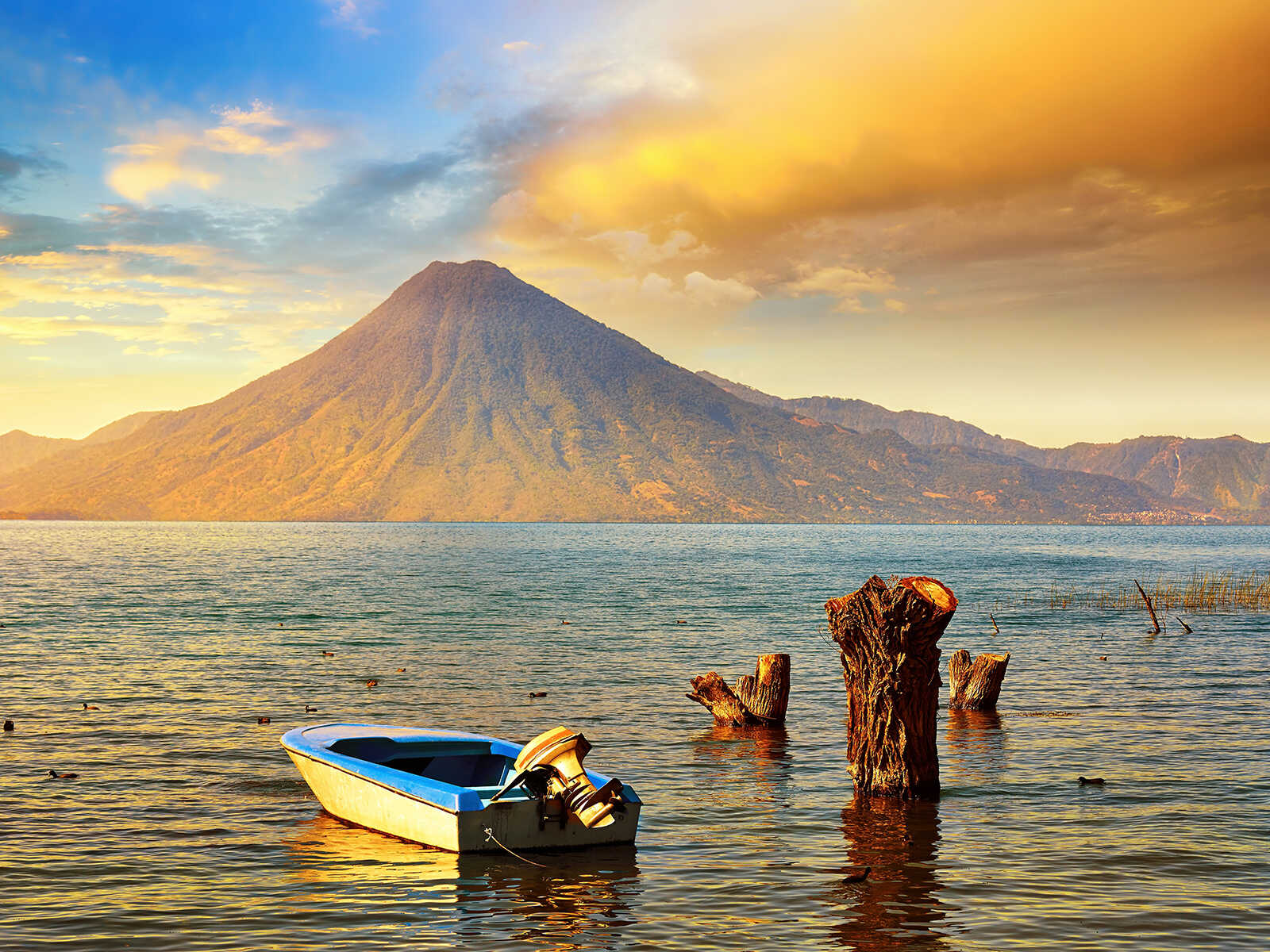
- Lake Atitlán:The most prominent example. Publiclanchascrisscross the lake, connecting the various Mayan villages like San Pedro, Santiago, San Juan, and Santa Cruz. They run frequently throughout the day.
- Rio Dulce & Livingston:Boats are the primary way to travel between Rio Dulce and the Caribbean coastal town of Livingston, passing through stunning mangrove channels and offering glimpses of unique Garifuna culture.
- Coastal Areas:Smaller boats might be used for transport along coastal areas like Monterrico or for specific tours.
Domestic Flights: Covering Long Distances
While road transport covers most of Guatemala, domestic flights are invaluable for covering long distances quickly, especially to the northern Petén region.
- Routes:The most common route is between La Aurora International Airport (GUA) in Guatemala City and Mundo Maya International Airport (FRS) near Flores. This flight is the gateway to exploring the ancient Mayan city of Tikal and nearby Yaxha National Park.
- Time-Saving:A flight can save you a full day of bus travel, making it ideal for shorter trips or those who prefer not to spend extended hours on the road.
Renting a Car: Freedom with Caution
Renting a car offers the ultimate flexibility to explore at your own pace. However, it comes with specific challenges in Guatemala.
- Road Conditions:Many roads outside major cities can be poorly maintained, unpaved, or winding. Driving at night is generally not recommended due to poor lighting and road hazards.
- Navigation:GPS can be unreliable in remote areas. Local knowledge is often key.
- Security:Carjackings, though not common, can occur. Always park in secure lots, avoid leaving valuables visible, and be aware of your surroundings.
- Recommendation:Car rental is best suited for experienced international drivers who are comfortable with varied road conditions and potential navigation challenges. For most tourists, a combination of shuttles, buses, and local transport is more practical and less stressful.
Essential Tips for Navigating Guatemala
- Learn Basic Spanish:Even a few phrases will greatly assist in communicating with drivers and asking for directions.
- Keep Small Bills:Exact change or small denominations are preferred for local buses and tuk-tuks.
- Be Flexible:Schedules can be fluid, especially for local transport. Embrace the journey and allow for potential delays.
- Travel During Daylight:For safety and to enjoy the scenery, plan your longer journeys to take place during daylight hours.
- Guard Your Belongings:Always keep an eye on your bags, especially in crowded buses or terminals. Keep valuables on your person.
- Ask Locals:Don't hesitate to ask hotel staff or locals for advice on the best way to reach your destination.
- Offline Maps:Download offline maps (e.g., Google Maps, Maps.me) to help with navigation, even without an internet connection.
Guatemala's transport system is an integral part of its charm and challenge. By understanding your options and embracing the local way of life, you'll not only reach your destinations but also create lasting memories of your journeys through this captivating Central American nation.