
Exploring the Mayan Culture of Lake Atitlán: Traditions & People
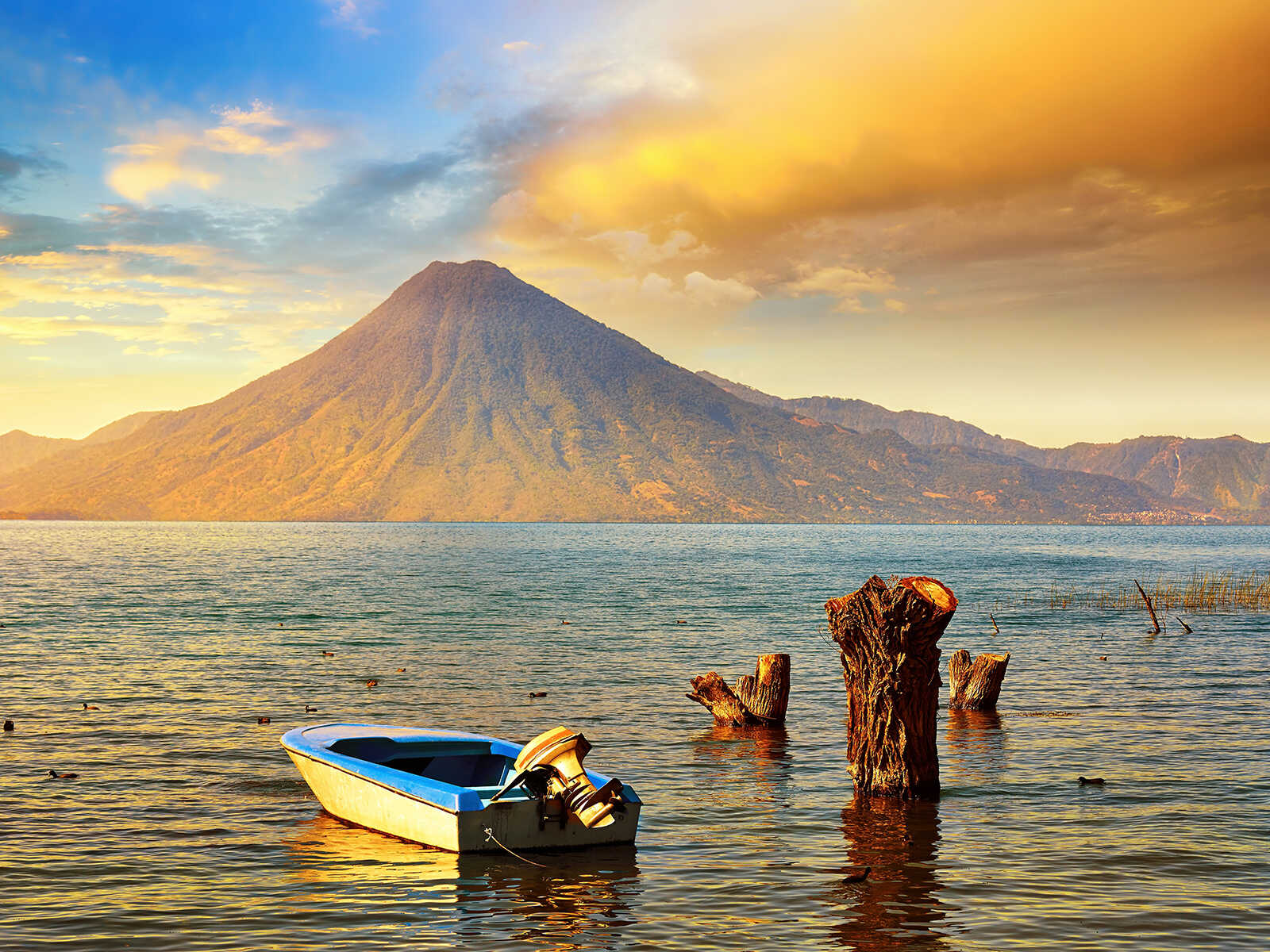
Nestled in the highlands of Guatemala,Lake Atitlán is widely regarded as one of the most beautiful lakes in the world. Beyond its breathtaking volcanic scenery, Atitlán is a vibrant cultural heartland, home to several indigenous Mayan communities whose ancient traditions continue to thrive.
The Enduring Mayan Heritage of Lake Atitlán
The shores of Lake Atitlán are dotted with a dozen distinct villages, each with its own character and a deep connection to Mayan heritage. The primary indigenous groups inhabiting the area are the Kaqchikel and Tz'utujil Maya, descendants of a civilization that flourished for millennia across Mesoamerica. Their presence shapes every aspect of life around the lake, from the languages spoken to the intricate textiles worn and the spiritual practices observed.
Diverse Mayan Communities and Their Unique Identities
Each village around Lake Atitlán offers a glimpse into a unique facet of Mayan culture:
- Santiago Atitlán:The largest Tz'utujil village, Santiago is renowned for its strong adherence to traditional beliefs and its devotion to Maximón, a revered folk saint. Its market is bustling, and the women are famous for their distinctivehuipiles(blouses) adorned with embroidered birds.
- San Juan La Laguna:A Kaqchikel village celebrated for its vibrant art scene and cooperative spirit. San Juan is a hub for indigenous artists and weavers who use natural dyes and traditional backstrap looms to create exquisite textiles. Visitors can learn about the entire process, from cotton harvesting to final product.
- San Pedro La Laguna:Primarily Tz'utujil, San Pedro is a popular spot for travelers, but it maintains a strong Mayan identity. Many residents work in coffee cultivation and traditional fishing, and the village offers Spanish language schools and cultural workshops.
- Panajachel:Often the gateway to the lake, Panajachel is more cosmopolitan but still retains a significant Kaqchikel population. Its main street, Calle Santander, is lined with vendors selling traditional crafts from across the region.
Traditional Arts & Crafts: A Living Legacy
The Mayan communities of Lake Atitlán are world-renowned for their craftsmanship.Textilesare perhaps the most iconic, with each village having its own distinct patterns, colors, and weaving techniques. Women, often using ancient backstrap looms, transform cotton threads into stunninghuipiles, skirts, and belts, each piece telling a story through its symbols and motifs.
Beyond weaving, communities like San Juan La Laguna are known for theirnaive art paintings, depicting daily life, ceremonies, and the natural beauty of the lake.Ceramics, intricate beadwork, and carved wood also represent significant traditional crafts that provide livelihoods and preserve cultural heritage.
Coffee productionis another cornerstone of the local economy and culture. Many indigenous families cultivate coffee on the volcanic slopes surrounding the lake, often using sustainable, organic methods passed down through generations. Visiting a coffee farm offers insight into this vital agricultural tradition.
Spiritual Practices & Beliefs: A Tapestry of Faith
Mayan spirituality in Lake Atitlán is a fascinating blend of ancient traditions and Catholicism, a phenomenon known as syncretism. While Spanish conquest introduced Christianity, many indigenous beliefs and rituals were cleverly integrated or maintained alongside the new faith.
Maximón (Rilaj Mam):In Santiago Atitlán, the veneration of Maximón, or Rilaj Mam (Great Grandfather), is a unique and powerful example of Mayan syncretism. This folk saint, who changes locations annually, receives offerings of cigarettes, alcohol, and money from devotees seeking blessings, protection, and intercession for their problems. His presence highlights the living continuity of pre-Columbian spiritual practices.
Traditional Mayan shamans, orajq'ij, continue to play a vital role in the communities. They perform ceremonies for healing, blessings, and to mark significant life events, often using sacred fire, candles, and incense. These practices connect the people to the natural world and their ancestors, reinforcing a deep sense of identity and community.
Festivals & Celebrations: Vibrant Expressions of Culture
Throughout the year, the villages around Lake Atitlán burst into life with various festivals and celebrations. Holy Week (Semana Santa) is particularly significant, featuring elaborate processions and rituals that combine Catholic traditions with indigenous Mayan elements. Market days are also crucial cultural events, serving not only as places of commerce but also as social gathering points where traditions are exchanged and reinforced.
Sustainable Tourism & Responsible Travel
To experience the Mayan culture of Lake Atitlán authentically and respectfully, consider these tips:
- Hire Local Guides:Support the local economy and gain deeper insights by hiring indigenous guides for village tours or hikes.
- Buy Directly from Artisans:Purchase crafts directly from weavers' cooperatives or artists' studios to ensure fair prices benefit the creators.
- Learn Basic Phrases:A few words in Kaqchikel or Tz'utujil (like "hello" or "thank you") will be greatly appreciated.
- Ask Permission for Photos:Always ask before photographing people, especially children. Be prepared for a polite refusal.
- Dress Modestly:Particularly in more traditional villages, dressing respectfully shows cultural sensitivity.
- Minimize Environmental Impact:Help preserve the lake's pristine beauty by avoiding littering and supporting eco-friendly initiatives.
Beyond Lake Atitlán: Exploring More of Guatemala's Rich Heritage
While Lake Atitlán offers a profound cultural immersion, Guatemala's rich heritage extends far beyond its shores. For those fascinated by the ancient Maya, a journey to the dense jungles of Petén to explore the majestic ruins of Tikal is essential. Discover other significant Mayan sites like Yaxha National Park, with its impressive pyramids, or the intricate stelae of the Acropolis of Quirigua.
For more natural wonders, embark on an adventurous hike up volcanoes like Acatenango or Pacaya, or marvel at the turquoise pools of Natural Monument Semuc Champey. Experience the sacred tranquility of Chicabal Lake or the remote beauty of Lachuá Lake. Don't miss the vibrant colors and cultural exchange at the sprawling Chichicastenango Market, another incredible hub of indigenous life and commerce.
Conclusion
Exploring the Mayan culture of Lake Atitlán is more than just a sightseeing trip; it's an opportunity for deep cultural immersion. The resilience, creativity, and spiritual depth of the Kaqchikel and Tz'utujil people offer visitors a unique and enriching experience, fostering a greater understanding of Guatemala's vibrant indigenous soul. From the intricate weave of a textile to the solemn ritual for Maximón, the traditions of Atitlán are a living testament to a powerful and enduring civilization.