
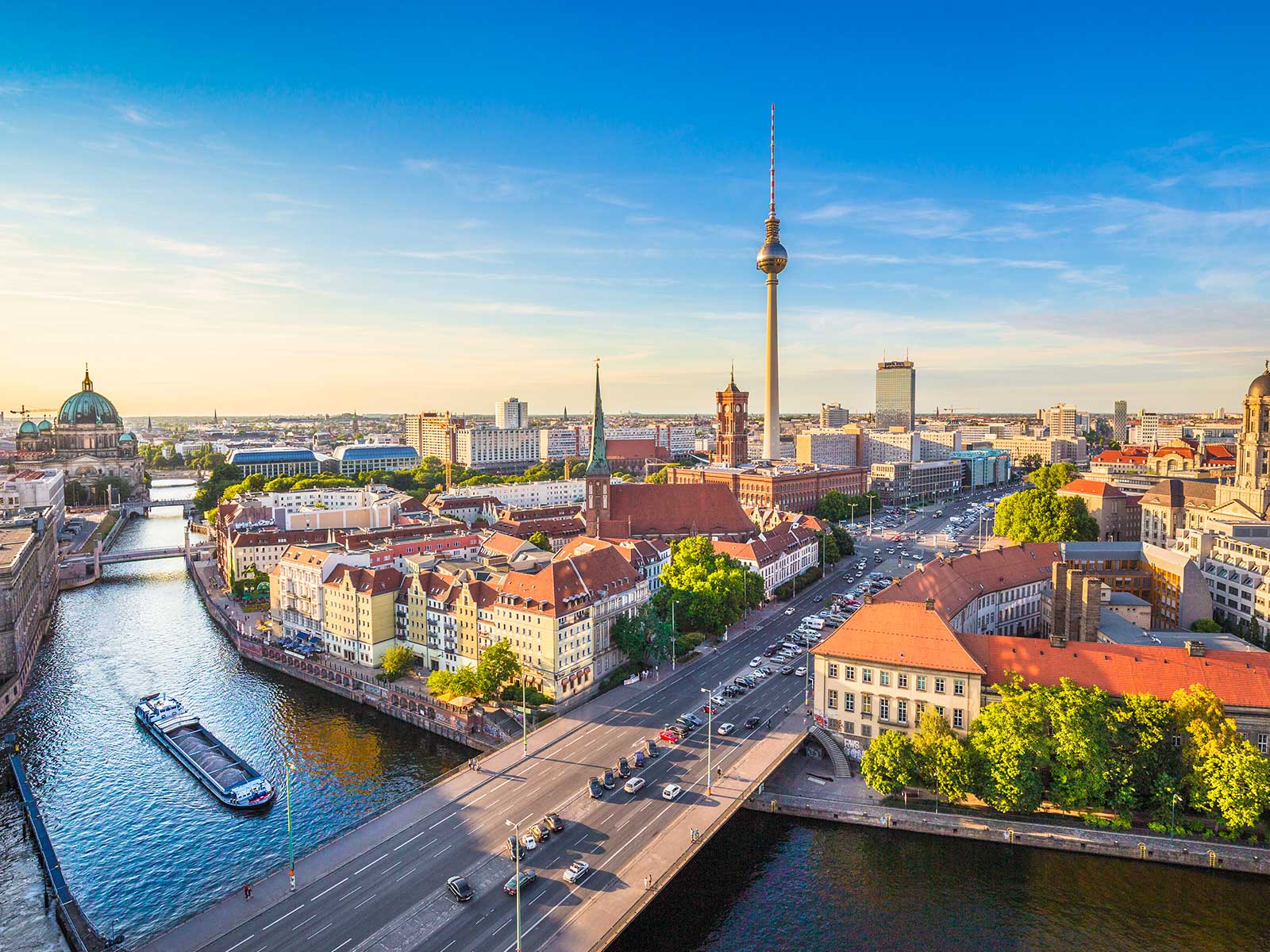
Is Germany Safe for Tourists? Essential Safety Tips
Germany consistently ranks among the safest countries globally, offering a remarkably secure and welcoming experience for tourists. While serious crime rates are low, like any popular travel destination, understanding common precautions and local nuances can enhance your trip and ensure peace of mind.
Overall Safety in Germany: A Reassuring Overview
Germany boasts a highly developed infrastructure, efficient public services, and a strong rule of law. Violent crime is rare, especially against tourists, and the police force is professional and visible, particularly in major cities and at popular attractions. You can generally feel safe walking alone at night in most urban areas, though exercising standard caution is always advisable.
The country's commitment to order and safety means that public spaces, transportation, and tourist sites are well-maintained and monitored. This high standard of safety is one of the many reasons why millions of visitors flock to explore its historic cities, fairytale castles, and stunning natural landscapes each year.
Fun Fact:Germany's low crime rate is partly attributed to its strong social welfare system and high employment rates, contributing to overall societal stability and security.
Common Safety Concerns for Tourists
While Germany is safe, tourists should be aware of a few common issues that can occur in any bustling travel destination.
Petty Crime: Pickpocketing and Bag Snatching
The most prevalent concern for tourists in Germany is petty crime, primarily pickpocketing. These incidents tend to occur in crowded areas frequented by visitors:
- Major train stations (e.g., Berlin Hauptbahnhof, Munich Hauptbahnhof)
- Busy public transport, especially during rush hour
- Popular tourist attractions like the Brandenburg Gate,Cologne Cathedral,Munich Old Town,Dresden Old Town, and Museumsinsel in Berlin.
- Outdoor markets, festivals (such as Oktoberfest), and crowded shopping streets.
Tips to avoid pickpocketing:
- Keep wallets in front pockets or use a money belt.
- Wear bags across your body and keep them closed and in front of you.
- Be aware of distractions – pickpockets often work in teams.
- Avoid displaying large amounts of cash or expensive electronics openly.
Scams and Overcharging
While less common, tourists might encounter minor scams. These are typically non-violent and rely on distraction or trickery:
- "Gold Ring" or "Friendship Bracelet" Scam:Someone approaches you, 'finds' a gold ring, or tries to tie a bracelet on your wrist, then demands money. Politely but firmly refuse and walk away.
- Fake Petitions:Individuals asking you to sign a petition, often in exchange for a donation, which can be a distraction for pickpockets.
- Taxi Overcharging:Ensure the meter is running or agree on a price beforehand, especially for longer journeys.
Specific Safety Considerations for a Smooth Trip
Public Transportation
Germany's public transport system (trains, trams, buses, U-Bahn, S-Bahn) is extensive, efficient, and generally very safe. However, like any major city's transit system, it can attract petty thieves, especially late at night on less crowded lines. Always validate your ticket to avoid hefty fines from plainclothes inspectors.
Nightlife and Socializing
German cities offer vibrant nightlife. Enjoy responsibly! Watch your drinks, don't leave personal belongings unattended, and try to travel with friends or use reputable taxis/ride-shares at the end of the night. Over-indulgence can make you a target for petty theft.
Outdoor Activities and Nature
Germany is home to breathtaking natural beauty, from the dense Schwarzwald to the dramatic peaks of the Zugspitze and the stunning landscapes of Saxon Switzerland National Park. When exploring these areas:
- Inform someone of your itinerary if you're hiking alone.
- Check weather forecasts, especially in mountainous regions or before exploring coastal areas like the Sylt Shore or Rügen island.
- Wear appropriate footwear and carry necessary supplies (water, first-aid).
- Respect local regulations and marked trails to protect yourself and the environment.
Driving in Germany
Driving on the famous Autobahn is generally safe, but be prepared for high speeds. Always adhere to speed limits where posted, and be aware that sections without limits still require attentive driving. Germany has strict drunk driving laws (virtually zero tolerance) and aggressive enforcement.
Protests and Demonstrations
While rare, large-scale public demonstrations can occur in major German cities. These are typically peaceful and well-managed by authorities, but it's always wise to avoid them. Check local news if you hear about planned gatherings and adjust your sightseeing plans accordingly.
Essential Safety Tips for a Worry-Free German Adventure
1. Be Aware of Your Surroundings
This is your best defense against petty crime. Pay attention, especially in crowded tourist areas or on public transport. Don't be glued to your phone; lift your head and observe.
2. Safeguard Valuables and Documents
- Keep your passport, extra cash, and important documents in a secure place, like your hotel safe. Carry only a copy of your passport and necessary daily cash.
- Use anti-theft bags or discreet money belts for daily excursions.
- Avoid flashing expensive jewelry or electronics.
3. Know Emergency Numbers
The pan-European emergency number for police, fire, and ambulance services in Germany is112. For non-emergency police assistance, dial110. Save these numbers in your phone.
4. Stay Connected
Consider purchasing a local SIM card or an eSIM for your phone to ensure you have data and can make calls if needed. Google Maps can be invaluable for navigation and avoiding getting lost.
5. Solo Travel: A Safe Experience
Germany is an excellent destination for solo travelers, including solo female travelers. Most areas are safe, and people are generally respectful. Standard precautions apply: inform someone of your itinerary, avoid walking alone in poorly lit or deserted areas at night, and trust your instincts.
6. Health and Medical Preparedness
Germany has an excellent healthcare system. Ensure you have travel insurance that covers medical emergencies. Carry any essential prescription medications in their original packaging with a doctor's note.
7. Respect Local Laws and Customs
Germans value order and punctuality. Jaywalking is frowned upon, and public drinking laws vary by municipality. Understanding a few basic German phrases can also go a long way in showing respect and can be helpful in interactions.
Regional Safety Notes
While safety standards are high across Germany, crowd levels and associated risks can vary:
- Major Cities (Berlin, Munich, Hamburg, Cologne):Higher potential for petty crime due to larger crowds and more diverse populations. Be extra vigilant around iconic sites like the Berlin Wall,Brandenburg Gate, or the Cologne Cathedral.
- Fairytale Towns (e.g.,Rothenburg ob der Tauber,Quedlinburg,Heidelberg Old Town):Generally very safe with low crime rates, offering a relaxed atmosphere for exploring historical sites like the Altes Rathaus or Schwerin Castle.
- Scenic Regions (e.g.,Schwarzwald,Rhine Valley,Saxon Switzerland National Park):Focus on outdoor safety, weather preparedness, and respecting nature. Crowds can still gather at popular spots like Neuschwanstein Castle or Lindau.
Conclusion
Germany is overwhelmingly a very safe destination for tourists. By being mindful of your surroundings, safeguarding your belongings, and understanding a few practical tips, you can confidently enjoy the rich culture, history, and natural beauty that Germany has to offer. Prepare for an unforgettable and secure journey!