
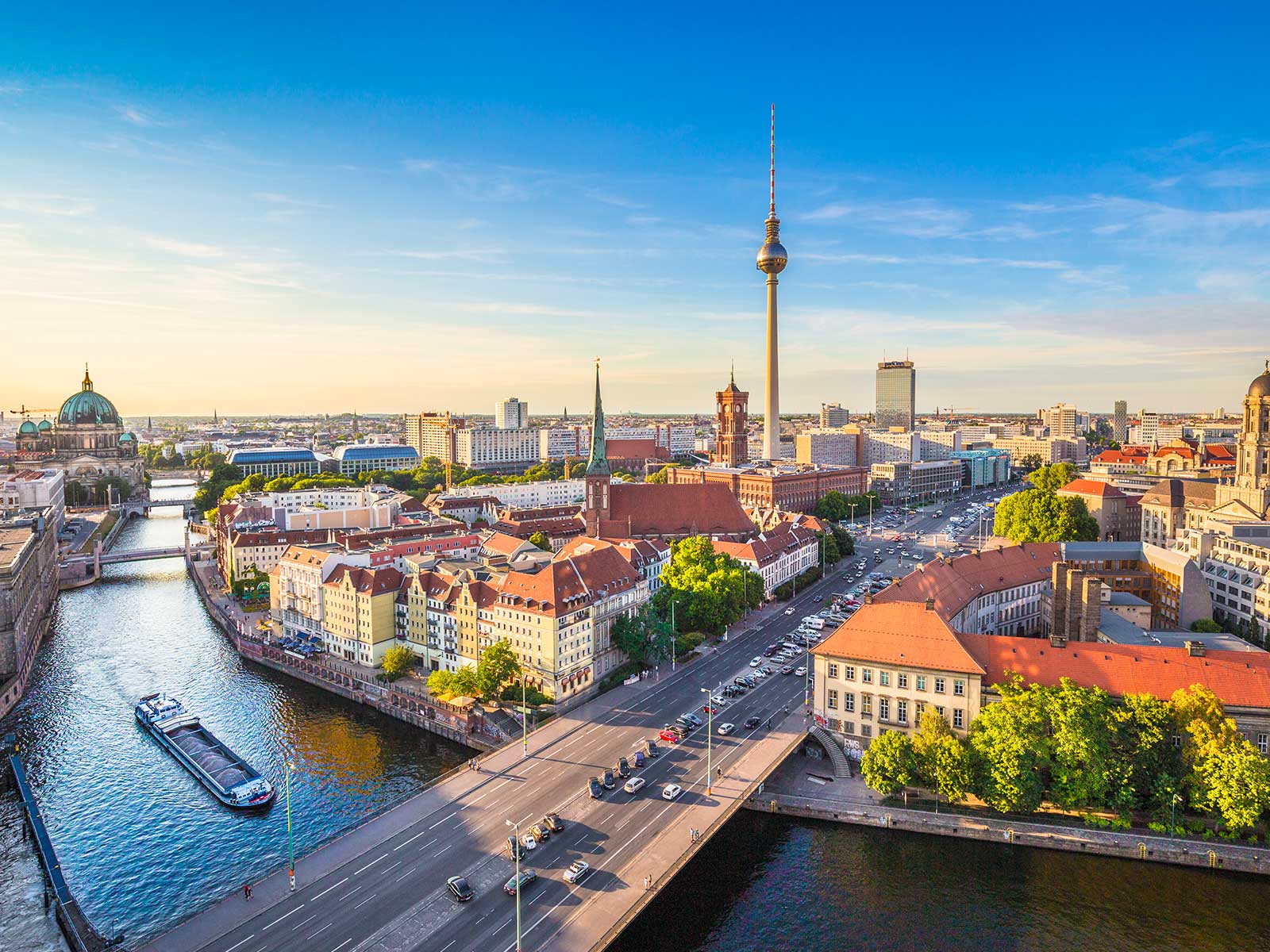
Best Time to Visit Germany: Seasonal Guide for Travelers
Germany offers a kaleidoscope of experiences throughout the year, from vibrant city life to majestic natural landscapes. Your ideal visit depends on what you seek, whether it's sun-drenched festivals, enchanting winter markets, or serene autumnal hikes. Dive into our comprehensive seasonal guide to discover when Germany truly shines for your perfect adventure.
Germany is a land of stunning diversity, where ancient history blends with modern innovation, and picturesque villages meet bustling metropolises. Each season unveils a different facet of this captivating country, offering unique activities and atmospheres that cater to a wide range of interests. Understanding the seasonal nuances will help you plan an unforgettable trip tailored to your preferences.
Spring (March - May): Rebirth and Renewal
As winter's chill recedes, Germany awakens with vibrant life. Spring is a delightful time to visit, characterized by blooming flowers, budding trees, and a sense of renewal across the country.
Weather and Atmosphere
Spring brings increasingly mild temperatures, ranging from cool in March (around 5-10°C) to pleasantly warm by May (15-20°C). Sunshine becomes more frequent, though occasional rain showers are still common, especially earlier in the season. The air is crisp, and the landscapes transform from dormant to lush green.
Key Activities and Events
- City Exploration:The comfortable temperatures are ideal for strolling through historic city centers. Explore the remnants of the Berlin Wall, marvel at the iconic Brandenburg Gate, or immerse yourself in culture on Museumsinsel in Berlin. Don't miss the grandeur of the Cologne Cathedral.
- Gardens and Parks:Witness Germany's gardens burst into color.Sanssouci Park in Potsdam, with its terraced gardens and ornate palaces, is particularly stunning as flowers bloom.
- Early Hiking:Lower altitude trails in regions like the Rhine Valley become accessible, offering scenic walks amidst vineyards and historic castles.
- Spring Festivals:Enjoy Easter markets and various Frühlingfeste (Spring Beer Festivals) that echo the spirit of Oktoberfest but with a lighter, more local feel.
Pros and Cons
Pros:Fewer crowds than summer, pleasant temperatures for sightseeing, often lower accommodation prices, and beautiful blooming landscapes.
Cons:Weather can be unpredictable, especially in March and early April, and some attractions may have shorter operating hours before the peak season.
Summer (June - August): Sunshine, Festivals, and Outdoor Adventures
Summer is Germany's peak tourist season, drawing visitors with its warm weather, long daylight hours, and an abundance of outdoor activities and festivals.
Weather and Atmosphere
Expect warm to hot temperatures, typically ranging from 20-30°C, with occasional heatwaves. Days are long, providing ample time for exploration. While generally sunny, summer can also bring dramatic thunderstorms, especially in the southern regions.
Key Activities and Events
- Outdoor Festivals:From music festivals to open-air markets, summer is a season of celebration.
- Lakes and Coasts:Head to the northern coast for beach time on Sylt Shore or the picturesque Rügen island. Southern Germany offers refreshing lakes like Lake Constance, where you can visit the charming island town of Lindau.
- Hiking and Mountains:The warmer months are perfect for exploring Germany's diverse natural landscapes. Hike through the mystical Schwarzwald(Black Forest), ascend the dramatic rock formations of Saxon Switzerland National Park, or conquer the Zugspitze, Germany's highest peak, for breathtaking alpine views.
- Castle Visits:Tour iconic castles such as the fairytale Neuschwanstein Castle or the elegant Schwerin Castle, set on its own island.
- River Cruises:Enjoy a scenic cruise along the Rhine Valley, passing vineyards, medieval towns, and historic fortresses.
- City Sightseeing:Explore the vibrant Munich Old Town or the romantic Heidelberg Old Town.
Pros and Cons
Pros:Best weather for outdoor activities, vibrant atmosphere, extended daylight hours, and a wide array of events.
Cons:Largest crowds, highest prices for flights and accommodation, and popular attractions can be very busy.
Germany boasts over 25,000 castles and palaces, many of which are beautifully preserved and open to the public, offering a glimpse into centuries of history and captivating architecture.
Autumn (September - November): Golden Hues and Harvest Feasts
Autumn in Germany is a season of stunning natural beauty, cultural celebrations, and a more relaxed pace of travel as the summer crowds thin out.
Weather and Atmosphere
Autumn begins with crisp, clear, and sunny days (15-20°C) in September, offering ideal conditions for outdoor activities. As the season progresses into October and November, temperatures drop (5-15°C), and the weather becomes cooler and wetter, with a higher chance of fog. The most striking feature is the breathtaking fall foliage, especially in forested and vineyard regions.
Key Activities and Events
- Wine Festivals (Weinfeste):September and October are prime for wine festivals, particularly in the Rhine Valley and other wine-growing regions, celebrating the grape harvest with tasting and festivities.
- Oktoberfest:The world-famous Oktoberfest takes place in Munich from late September to early October, drawing millions for beer, food, and Bavarian culture.
- Hiking Amidst Foliage:The Schwarzwald,Saxon Switzerland National Park, and other forested areas become a painter's palette of reds, oranges, and golds, perfect for scenic hikes.
- City Breaks:Enjoy comfortable temperatures for exploring historical cities like Dresden Old Town, the medieval charm of Rothenburg ob der Tauber, or the picturesque Heidelberg Old Town.
- Harvest Celebrations:Many towns host pumpkin festivals and other harvest-themed events.
Pros and Cons
Pros:Spectacular scenery with fall colors, pleasant temperatures for walking, fewer crowds than summer (except during Oktoberfest), and unique cultural events.
Cons:Weather can become unpredictable and colder towards November, and some outdoor attractions may start to close for the winter season.
Winter (December - February): Enchanting Markets and Winter Sports
Winter transforms Germany into a magical wonderland, especially with its renowned Christmas markets, snow-covered landscapes, and opportunities for winter sports.
Weather and Atmosphere
Winter is cold, with temperatures often hovering around or below freezing (0-5°C). Snowfall is common, particularly in the southern regions and mountainous areas, creating picturesque scenery. Daylight hours are short, but the festive lights add a cozy glow.
Key Activities and Events
- Christmas Markets (Christkindlmärkte):From late November until Christmas Eve, Germany comes alive with enchanting Christmas markets. Explore the medieval charm of Quedlinburg, the historic Altes Rathaus in Bamberg, or the fairytale atmosphere of Rothenburg ob der Tauber, all renowned for their festive markets.
- Winter Sports:The Bavarian Alps, particularly around the Zugspitze region, offer excellent skiing, snowboarding, and other winter sports opportunities.
- Cozy City Exploration:Embrace the festive atmosphere in cities, visit museums like those on Museumsinsel, or simply enjoy warm drinks in cozy cafés.
- New Year's Eve:Major cities host spectacular fireworks displays and celebrations to ring in the New Year.
Pros and Cons
Pros:Magical festive atmosphere, unique Christmas market experience, opportunities for winter sports, and fewer tourists outside of the Christmas market period.
Cons:Very cold temperatures, short daylight hours, some attractions may be closed or have limited operating hours, and popular Christmas markets can be very crowded.
Beyond the Seasons: Tailoring Your German Adventure
The "best" time to visit Germany truly depends on your personal interests and priorities. Here are some considerations to help you fine-tune your travel plans:
- For City Explorers:Major cities like Berlin, Munich, and Hamburg are vibrant year-round. However, spring and autumn offer the most comfortable temperatures for extensive walking tours and outdoor sightseeing, such as visiting the Brandenburg Gate or exploring Dresden Old Town.
- For Nature Lovers:Summer is ideal for hiking, cycling, and enjoying lakes and coastal areas like Rügen island. Autumn provides stunning foliage for scenic drives and walks through the Schwarzwald. Winter brings snow sports to the Bavarian Alps.
- For Culture & History Buffs:Museums, historical sites, and castles such as Neuschwanstein Castle or Schwerin Castle are generally open year-round. However, exploring extensive castle grounds like Sanssouci Park is more pleasant in warmer months.
- For Festival Goers:Summer is packed with music and cultural festivals. Autumn is famous for Oktoberfest in Munich Old Town and wine festivals in the Rhine Valley. Winter is dominated by the magical Christmas markets in towns like Rothenburg ob der Tauber and Quedlinburg.
- Shoulder Seasons (April-May & September-October):These periods are often recommended for a balance of good weather, fewer crowds, and more reasonable prices compared to the peak summer months. They offer an excellent opportunity to experience the essence of Germany without the intense bustle.
Conclusion
Germany truly is a destination for all seasons. Whether you dream of sun-drenched hikes in Saxon Switzerland National Park, enchanting Christmas markets in Altes Rathaus squares, vibrant city life in Berlin, or serene autumnal landscapes along the Rhine, this diverse country has something unique to offer. Consider your priorities – weather, crowds, activities, and budget – to determine your perfect time to experience the magic of Germany.