
Best Time to Visit Dominican Republic: Weather, Activities & More
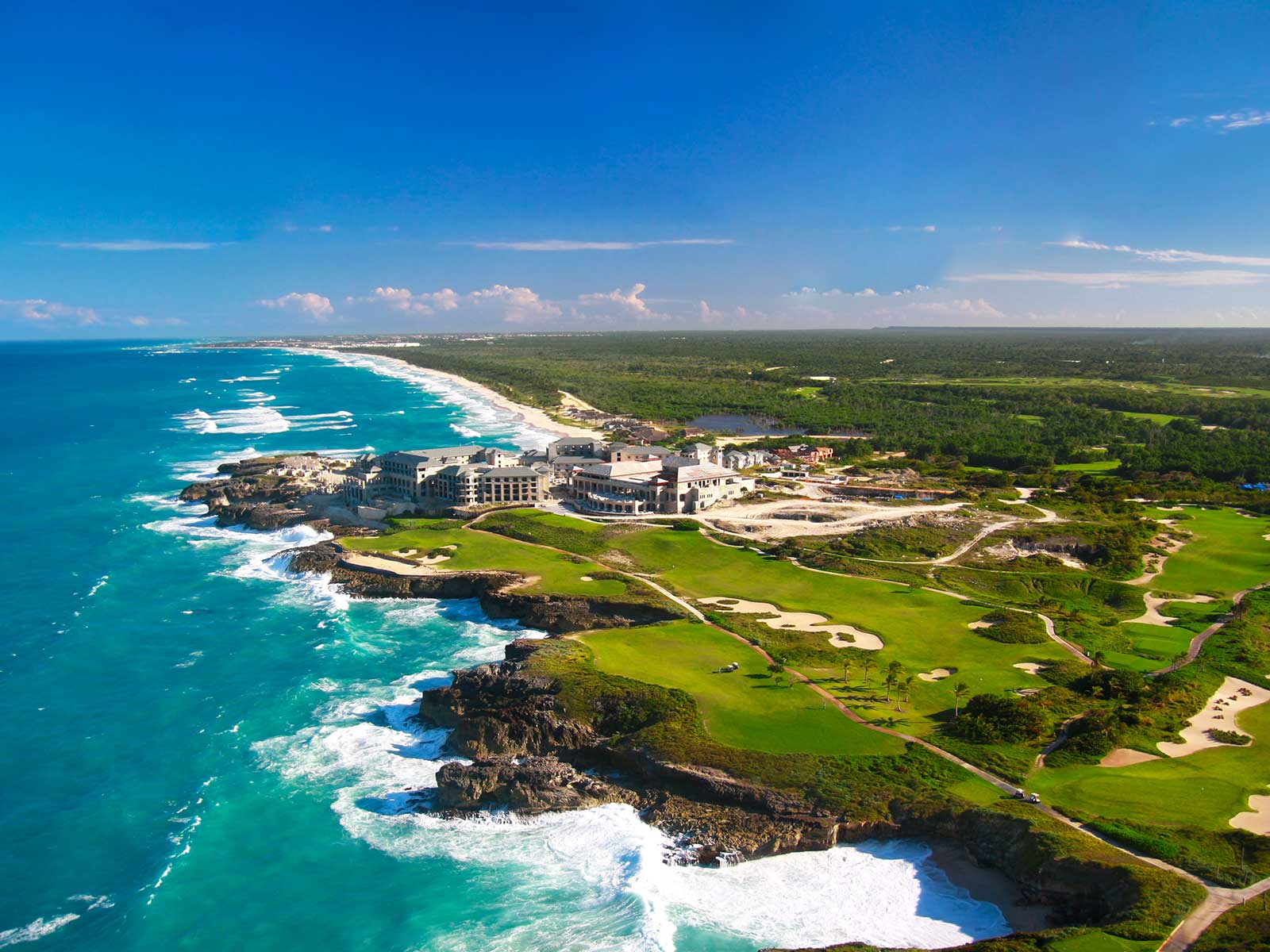
The Dominican Republic, a Caribbean gem known for its stunning beaches, vibrant culture, and lush landscapes, beckons travelers year-round. While its tropical climate ensures warmth and sunshine throughout the seasons, understanding the nuances of its weather patterns can significantly enhance your travel experience and help you plan the perfect escape.
Understanding the Dominican Republic's Climate
The Dominican Republic enjoys a tropical climate characterized by two main seasons: a relatively dry season and a wetter season. Temperatures remain consistently warm, averaging between 25°C and 30°C (77°F and 86°F) year-round, with coastal areas often feeling slightly hotter due to humidity and less rainfall in the dry season.
While the entire island shares this tropical classification, microclimates exist. The northern coast, for instance, tends to receive more rainfall than the south. Inland mountainous regions like Jarabacoa experience cooler temperatures and higher humidity, offering a refreshing contrast to the coastal heat.
The Dry Season: December to April (Peak Season)
Often considered the best time to visit for most tourists, the dry season brings glorious weather characterized by lower humidity, abundant sunshine, and minimal rainfall. This period is ideal for those seeking quintessential Caribbean beach holidays.
- Weather:Expect warm, comfortable temperatures, often with pleasant breezes. Rain showers are infrequent and typically short-lived if they occur at all.
- Activities:Perfect for sunbathing on the white sands of Punta Cana or La Romana, swimming, snorkeling, diving, and sailing. It's also an excellent time for exploring historical sites like the Zona Colonial in Santo Domingo without the intense heat and humidity of summer. Hiking to challenging peaks like Pico Duarte is also more comfortable during these cooler, drier months.
- Crowds & Costs:This is the peak tourist season, especially around Christmas, New Year's, and Easter. Expect higher prices for flights and accommodations, and more crowded resorts and attractions. Booking well in advance is highly recommended.
Tip:If you're planning a dry season trip, consider visiting in early December or late April to enjoy excellent weather with slightly fewer crowds and potentially better deals than the absolute peak.
The Wet Season: May to November (Off-Peak Season)
Don't let the term "wet season" deter you entirely. While this period experiences higher humidity and more frequent rainfall, it doesn't mean constant downpours. Showers are often short, intense, and localized, typically occurring in the afternoon, leaving plenty of sunshine for morning activities.
- Weather:Temperatures remain hot, with increased humidity. Rain can be heavier, particularly in mountainous areas, contributing to lush, green landscapes.
- Activities:This season is excellent for budget travelers and those who prefer fewer crowds. The increased rainfall makes waterfalls, such as 27 Charcos(Damajagua Waterfalls), particularly impressive. The rainforests are vibrant, offering stunning natural beauty. Water sports like surfing can be good, especially on the north coast's Kite Beach, which often sees consistent winds.
- Crowds & Costs:Generally lower prices for flights and accommodations, and fewer tourists at popular spots. This can be a fantastic time for a more relaxed and authentic experience.
Hurricane Season in the Dominican Republic (June to November)
A significant consideration during the wet season is the Atlantic hurricane season, which officially runs from June 1st to November 30th, with the highest probability of storms typically between August and October. While direct hits are relatively rare for any single location, it's a factor to be aware of.
- Preparation:If traveling during this period, it's advisable to purchase comprehensive travel insurance that covers weather-related disruptions. Stay informed by monitoring weather forecasts from reputable sources.
- Reality:Many travelers visit successfully during hurricane season. Days are often bright and sunny, with storms being the exception rather than the rule. Resorts are well-prepared and have contingency plans.
Best Months for Specific Activities
Whale Watching (Mid-January to March)
Witnessing the majestic humpback whales is a truly unforgettable experience. Thousands migrate to the warm, protected waters of Samaná Bay to mate and calve. The peak viewing season is typically from mid-January to late March, with tours readily available from various points along the Samaná Peninsula, including Las Terrenas and Las Galeras.
Beach & Water Sports (December to April, but good year-round)
For pristine beaches and ideal conditions for snorkeling, diving, and swimming, the dry season is supreme. The calmer waters and abundant sunshine are perfect for exploring coral reefs or taking a day trip to Isla Saona. However, many coastal areas, including Playa Dorada, offer fantastic beach experiences throughout the year, with water temperatures remaining warm.
Hiking & Adventure (Dry Season for Mountains, Wet Season for Waterfalls)
- Mountain Treks:The dry season (December-April) provides the best conditions for serious hiking, such as ascending Pico Duarte, the Caribbean's highest peak. Cooler temperatures and less muddy trails make for a more enjoyable and safer climb.
- Waterfalls & Rivers:The wet season (May-November) transforms the inland areas into vibrant, lush paradises. Waterfalls like those at 27 Charcos are at their fullest and most spectacular, offering thrilling adventures like canyoning and sliding.
Cultural Exploration (Year-Round)
Exploring the rich history and vibrant culture of the Dominican Republic can be enjoyed at any time of year. The Zona Colonial in Santo Domingo, a UNESCO World Heritage site, is always open, offering a fascinating glimpse into the New World's first city. Museums, galleries, and local festivals occur throughout the year, so check local calendars for specific events.
Nature & Wildlife (Varies)
Beyond whales, the Dominican Republic boasts diverse ecosystems. The unique environment around Lake Enriquillo, home to crocodiles and flamingos, is best visited during the drier, cooler months for more comfortable viewing. Remote, untouched beaches like Bahia de Las Aguilas are stunning year-round, though access might be easier in drier conditions.
Crowds and Cost Considerations
Your budget and tolerance for crowds might be as important as the weather when deciding the best time to visit.
- High Season (December-April):Higher demand translates to higher prices for flights, hotels, and tours. Popular areas like Punta Cana and La Romana will be bustling. This is ideal for those who love a lively atmosphere and don't mind paying a premium for guaranteed good weather.
- Shoulder Seasons (May-June & November):These periods can offer a sweet spot with pleasant weather, fewer crowds than peak season, and potentially better value. You might experience some rain, but it's often manageable.
- Low Season (July-October):This is when you'll find the best deals on accommodations and flights. While it coincides with the peak of hurricane season, many travelers enjoy successful trips with fewer crowds and a more authentic feel.
Final Thoughts: When Should YOU Visit?
The "best" time to visit the Dominican Republic truly depends on your priorities. If pristine weather, minimal rain, and bustling resorts are your goal, then the dry season fromDecember to Aprilis ideal. If you're a budget-conscious traveler, prefer fewer crowds, or are keen on lush landscapes and powerful waterfalls, the wet season fromMay to Novemberoffers excellent value and unique experiences.
Regardless of when you choose to go, the Dominican Republic's warm hospitality, stunning natural beauty, and vibrant culture promise an unforgettable Caribbean adventure.