
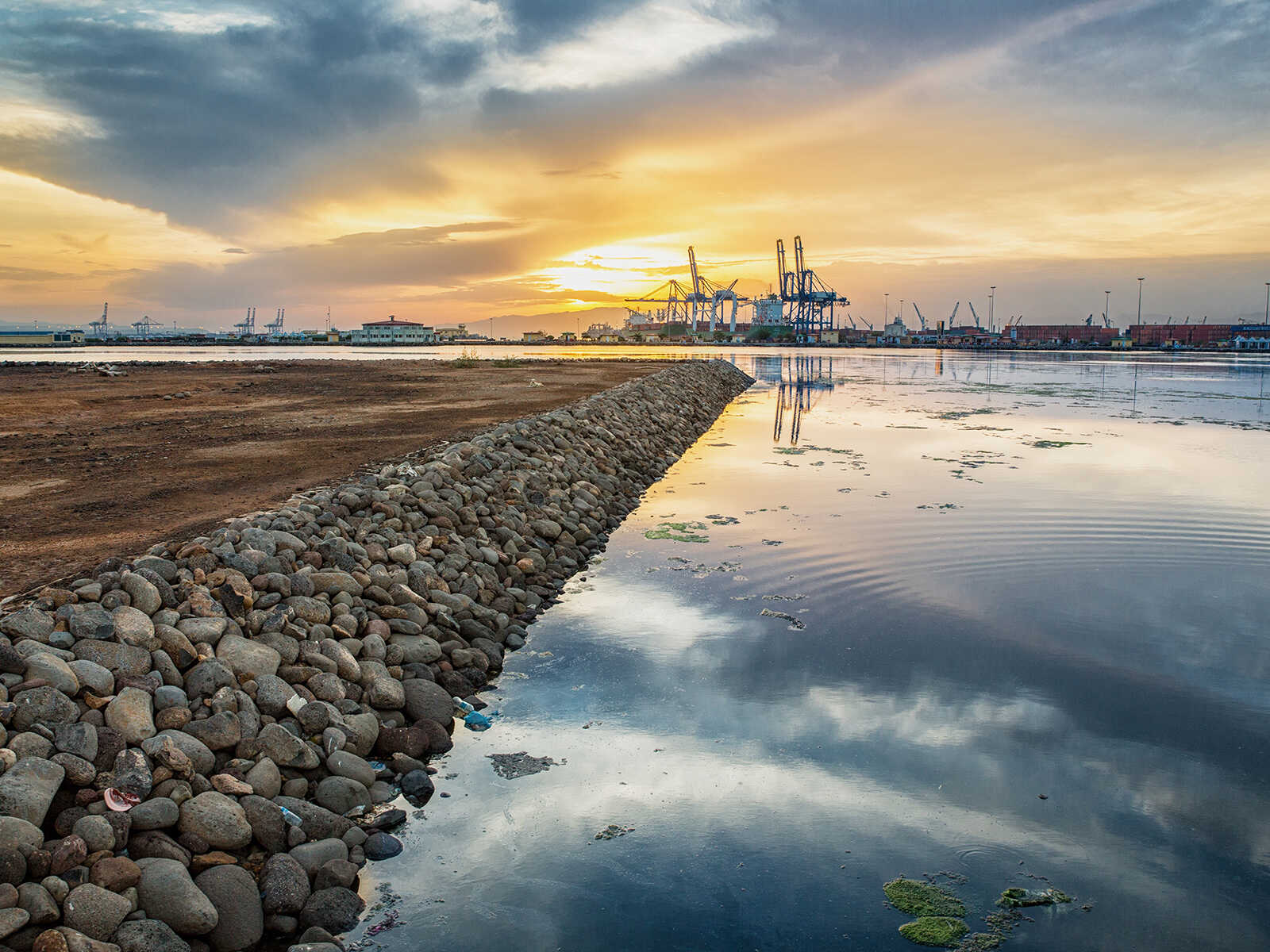
Is Djibouti Safe for Tourists? Essential Safety Tips & Advice
Djibouti, a small yet captivating nation on the Horn of Africa, offers travelers a unique blend of lunar landscapes, vibrant marine life, and a rich cultural tapestry. While its allure is undeniable, many prospective visitors naturally ask:Is Djibouti safe for tourists?The short answer is generally yes, especially with proper preparation and adherence to local advice.
This article provides an in-depth look at safety in Djibouti, offering practical tips and advice to ensure your trip is both secure and unforgettable. From navigating bustling city streets to exploring remote natural wonders, understanding the local context is key to a rewarding experience.
Understanding the Safety Landscape in Djibouti
Djibouti's strategic location at the mouth of the Red Sea makes it a hub for international military presence and trade. This unique geopolitical position contributes to a relatively stable environment compared to some of its neighbors. While the risk of violent crime is low, petty crime exists, and an awareness of regional dynamics is always wise.
Common Safety Concerns and Realities
- Petty Crime:Like any urban area worldwide, Djibouti City experiences occasional petty crime such as pickpocketing and bag snatching, particularly in crowded markets (souks) and tourist areas. Exercising caution and not openly displaying valuables can significantly mitigate this risk.
- Violent Crime:Violent crime against tourists is rare. However, it's always advisable to avoid walking alone in poorly lit areas at night and to use reputable transportation.
- Political Stability:Djibouti generally maintains political stability. Nevertheless, it's prudent to stay informed about local news and avoid any political demonstrations, which are uncommon but can occur.
- Border Regions:While the borders with Ethiopia and Somalia are generally stable, caution is advised, especially near the border with Eritrea, which has had past disputes. It's best to stick to well-traveled routes and follow local guidance.
- Terrorism:While the overall risk of terrorism is considered low, no country is entirely immune. Be vigilant in public places and report any suspicious activity to local authorities.
Essential Safety Tips for Tourists in Djibouti
Before You Go
- Travel Insurance:Comprehensive travel insurance that covers medical emergencies, including evacuation, is absolutely essential. Healthcare facilities in Djibouti are limited, and serious cases often require transfer to another country.
- Vaccinations and Health Precautions:Consult your doctor well in advance about recommended vaccinations (e.g., Hepatitis A & B, Typhoid, Yellow Fever if traveling from an endemic area). Malaria is a risk in some areas, so discuss prophylactic medication. Stay hydrated to combat the intense heat.
- Visa Requirements:Check the specific visa requirements for your nationality before travel.
- Register Your Trip:Register your travel plans with your country's embassy or consulate in Djibouti. This can be invaluable in an emergency.
During Your Trip
Personal Security & Awareness
- Dress Modestly:Djibouti is a predominantly Muslim country. Dressing modestly, especially outside of hotels and resorts, shows respect for local culture and can help you blend in. Shoulders and knees should be covered.
- Avoid Displaying Wealth:Keep expensive jewelry, cameras, and large sums of cash out of sight. Use hotel safes for valuables.
- Be Aware of Your Surroundings:Pay attention to people and activity around you, especially in crowded areas. Trust your instincts.
- Night Travel:If you must travel at night, use reputable taxis arranged by your hotel or a trusted guide. Avoid walking alone.
- Photography Etiquette:Always ask permission before photographing people, especially women and children. Be discreet when photographing official buildings or military installations.
"Respecting local customs and traditions is not only a sign of courtesy but also a practical safety measure that can enhance your travel experience and interactions with locals."
Health & Hygiene
- Hydration is Key:Djibouti's climate is extremely hot and arid. Drink plenty of bottled water to avoid dehydration.
- Food and Water Safety:Stick to bottled or purified water. Be cautious with street food; opt for freshly prepared, hot meals from reputable establishments.
- Sun Protection:Use high-SPF sunscreen, wear a wide-brimmed hat, and sunglasses. Seek shade during peak sun hours.
Local Laws & Customs
- Respect Islamic Culture:During the holy month of Ramadan, be extra mindful of those fasting. Public displays of affection are generally frowned upon.
- Qat:The stimulant leaf, qat, is legal and widely consumed in Djibouti. While you might see many locals chewing it, it's advisable for tourists to avoid involvement.
- Drug Laws:Djibouti has strict laws against illegal drugs, with severe penalties including lengthy prison sentences.
Driving & Transportation
- Road Conditions:Roads outside Djibouti City can be poorly maintained and unlit. Potholes, wandering livestock, and reckless driving are common hazards.
- Off-Road Travel:Exploring remote areas like Lac 'Assal or Lake Abhe requires a sturdy 4x4 vehicle and an experienced local guide. Never venture off-road alone.
- Taxis:Use official taxis; negotiate the fare before starting your journey, as meters are rarely used.
Marine Safety
Djibouti boasts incredible marine biodiversity, particularly around the Gulf of Tadjoura and the Moucha Islands. When engaging in water activities:
- Reputable Operators:Always use licensed and reputable tour operators for diving, snorkeling, or boat trips.
- Equipment Check:Ensure all rental equipment is in good condition.
- Respect Marine Life:Do not touch coral or marine animals. Be mindful of currents.
Safety Notes for Specific Djibouti Destinations
- Djibouti City:As the capital, it's the most populated area. Apply general urban safety precautions: be aware of pickpockets, avoid walking alone at night, and use reputable taxis.
- Lac 'Assal:This stunning salt lake is one of the lowest points on Earth. The extreme heat requires ample water, sun protection, and ideally, a guided tour with a reliable vehicle. The remote nature means help can be far away.
- Lake Abhe:Even more remote than Lac 'Assal, Lake Abhe's unique chimneys and landscapes are a major draw. Due to its proximity to the Ethiopian border and isolated location, visiting Lake Abhe absolutely necessitates an experienced local guide and a well-equipped 4x4.
- Moucha Islands/Gulf of Tadjoura:These areas are generally safe for marine activities. Ensure your tour operator adheres to safety standards and provides life jackets. Be mindful of sun exposure during boat trips.
- Day Forest National Park:Exploring this unique forest requires a guide due to its rugged terrain and to help spot rare wildlife. Stick to marked trails and follow your guide's instructions.
Emergency Information
In case of an emergency:
- Police:17
- Ambulance/Medical Emergency:18
- Fire:18
- Keep your embassy's contact details readily accessible.
Conclusion
Djibouti is a destination that rewards adventurous travelers with extraordinary natural beauty and cultural insights. While it's essential to be aware of potential risks and take sensible precautions, the country is generally safe for tourists. By planning ahead, respecting local customs, and staying vigilant, you can navigate Djibouti confidently and create memories that will last a lifetime. Prepare for an adventure, embrace the unique landscape, and enjoy the warmth of Djiboutian hospitality.